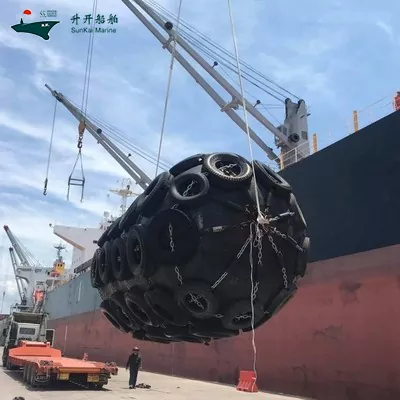
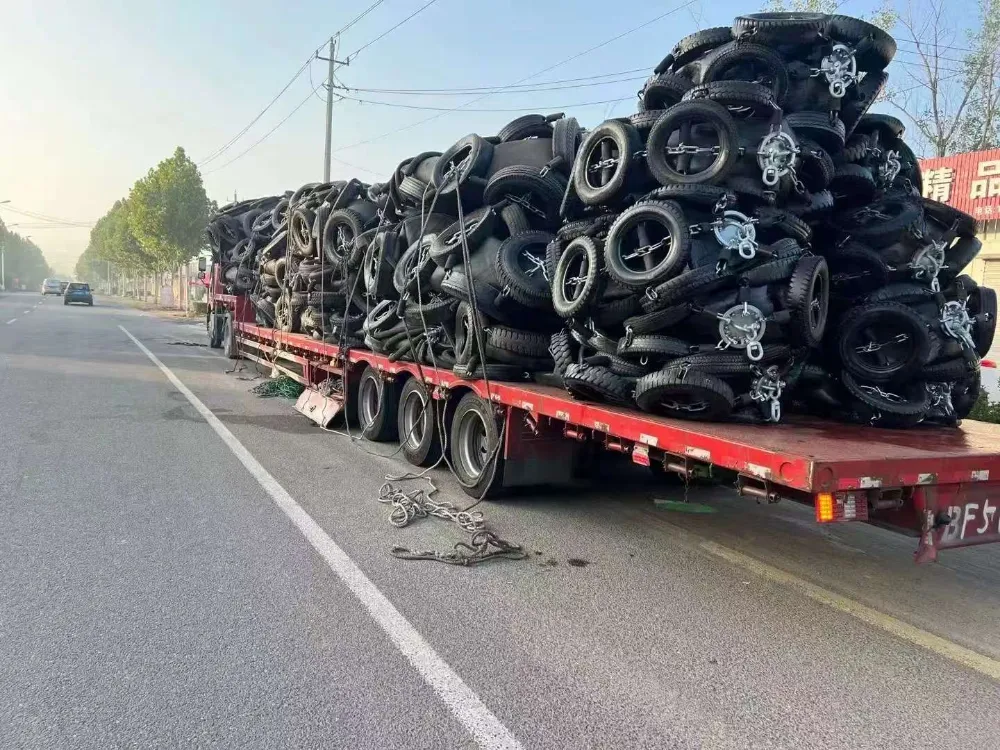
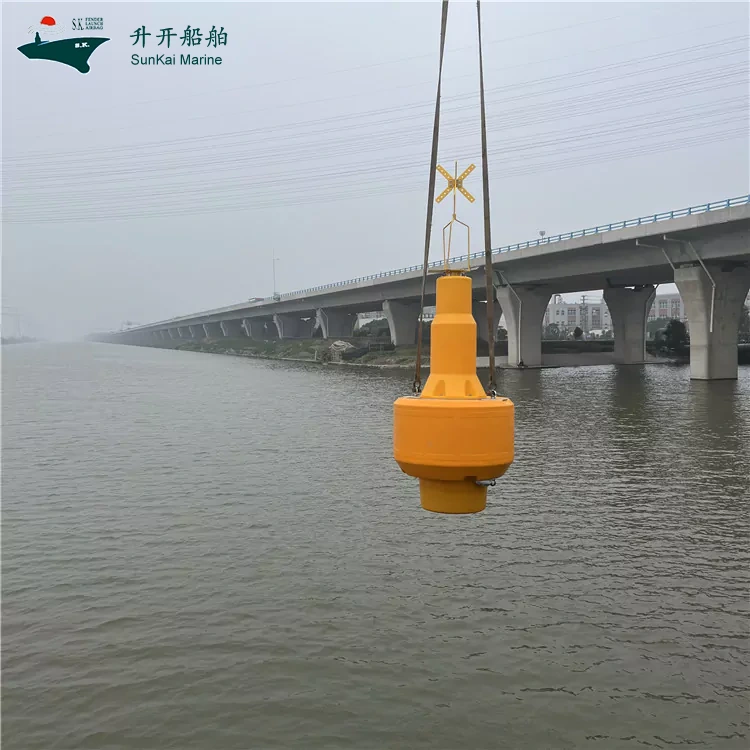
"Back in the day, berthing an LNG carrier took half an hour of careful maneuvering. Now with SK's smart fenders, we can get it safely alongside in just over ten minutes," said Lao Li, a terminal dispatcher at Qingdao Port — a sentiment shared by many port workers. Recently, the foam-filled fender system customized by SK for the port was officially put into operation, successfully handling the high-frequency berthing of 200,000-ton LNG carriers and drawing industry attention to this fender-specialized enterprise.
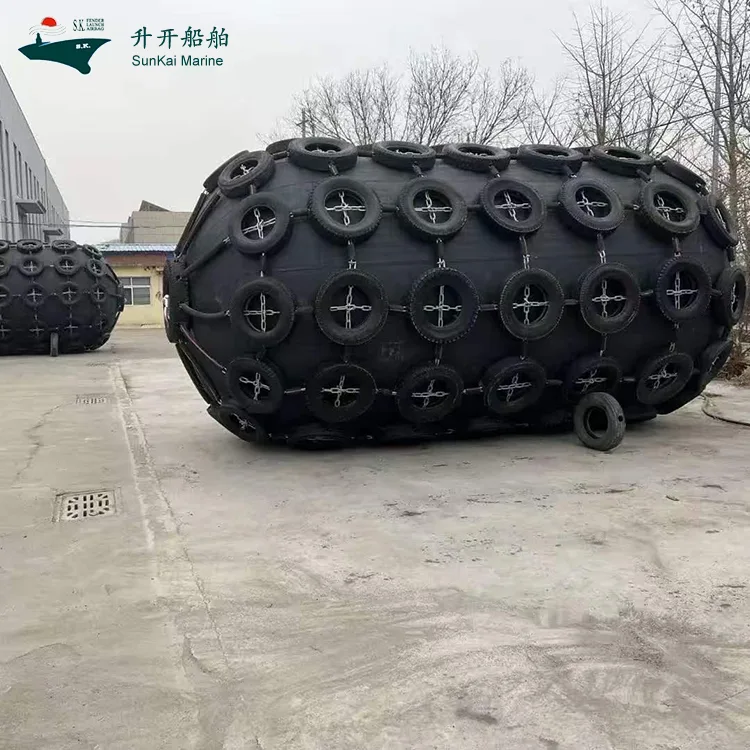
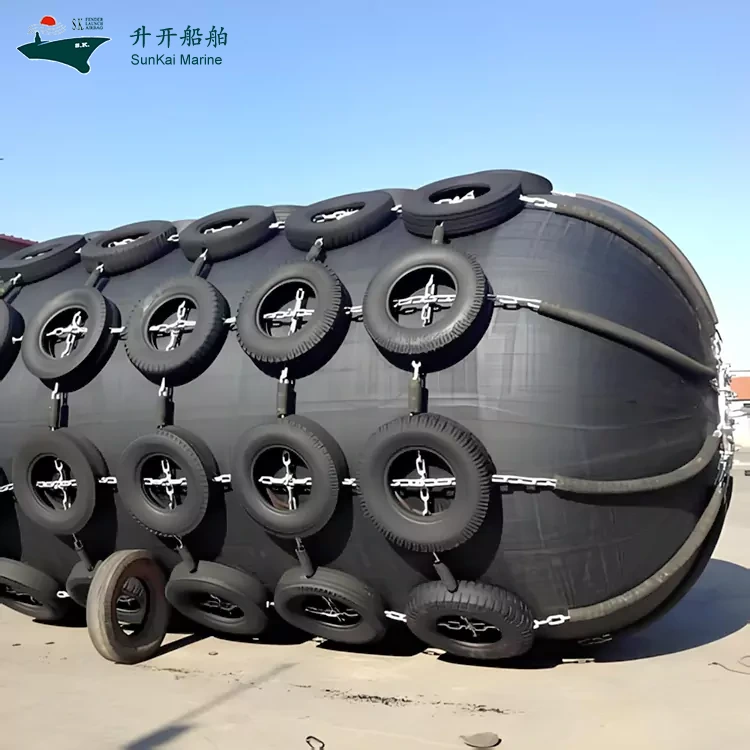
Making fenders may seem like "just making rubber blocks," but there's plenty of expertise hidden in SK's workshops. "Ships are getting bigger and bigger. A slight increase in berthing speed can damage the terminal, and ordinary fenders simply can't stand up to it," explained the company's technical supervisor, holding a fender sample. Their core advantage lies in dual innovations of "material formula + structural design": high-elasticity polyurethane foam as the inner core, wrapped in three layers of composite rubber with an additional graphene coating on the surface. Not only is it resistant to seawater corrosion and UV aging, but its energy absorption rate reaches over 85% — nearly 30% higher than traditional solid fenders. Last year's shipments to Arctic ports in Norway maintained flexibility even at -40℃, with no brittle cracking issues.
What impresses customers even more is their ability to provide "tailor-made solutions." Targeting the 200,000-ton LNG carriers' characteristics of "large tonnage and collision sensitivity" at Qingdao Port, the SK team specially designed an arc-shaped buffer structure embedded with pressure sensors. When a ship approaches, the sensors real-time capture impact force, and the background system automatically adjusts to the optimal buffer state, reducing the residual stress on the terminal structure by 40%. This customization capability has been proven in practical applications: fenders supplied to oil and gas terminals in Latin America have operated faultlessly for four years in harsh sea conditions, while special-shaped fenders customized for naval warship berths perfectly fit the unique hull curves of warships.
"Fenders are no longer ordinary commodities — they must be highly engineered products," said the company's production manager, pointing to the testing equipment in the workshop. Each batch of their products undergoes three rigorous inspections: low-temperature laboratory tests simulating Arctic environments, pressure machine tests for impact resistance limits, and performance verification by third-party institutions in accordance with the latest PIANC guidelines, ensuring that declared parameters match actual performance. That's why, in a U.S. terminal project requiring berthing solutions for 24,000 TEU container ships, SK secured the order with solid test data, while many low-cost competitors dared not even bid.
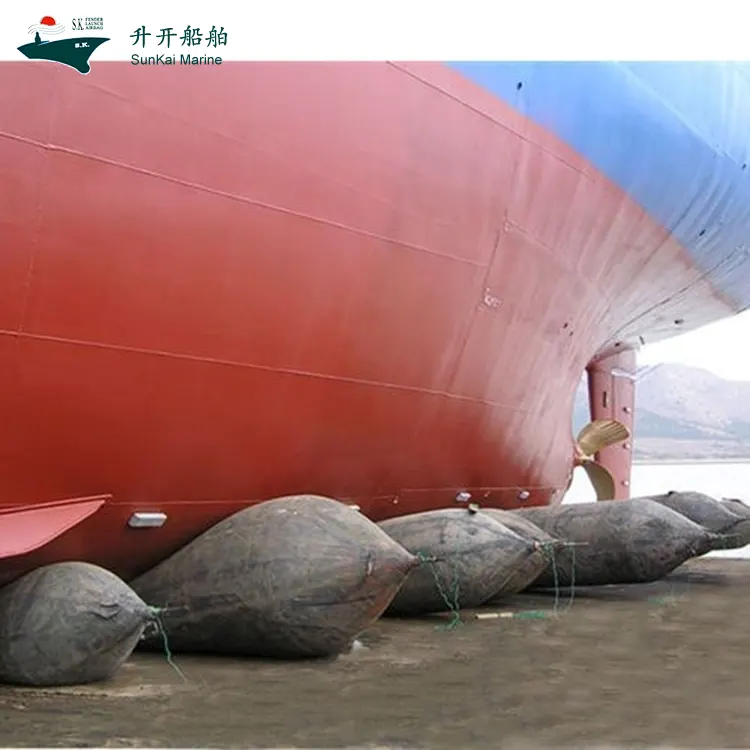
Today, SK fenders are used in an increasingly wide range of scenarios. From economical solid fenders for small inland river terminals to corrosion-resistant floating fenders for offshore drilling platforms, and smart monitoring fenders for intelligent ports, their full product line covers almost all marine vessel protection needs. Next, the company plans to integrate data transmission modules into the fenders to enable remote monitoring and maintenance, making terminal collision protection safer and more convenient. "Future fenders need to 'talk' — they should be able to predict wear in advance and automatically adapt to ships. That's the direction of the industry," said the company's person in charge, reflecting the confidence of a technical expert.
We use cookies to offer you a better browsing experience, analyze site traffic and personalize content. By using this site, you agree to our use of cookies. Privacy Policy