Follow Us:

News

What Is a Navigation Buoy and How Does It Ensure Safe Marine Navigation

2026-01-21 0 Leave me a message

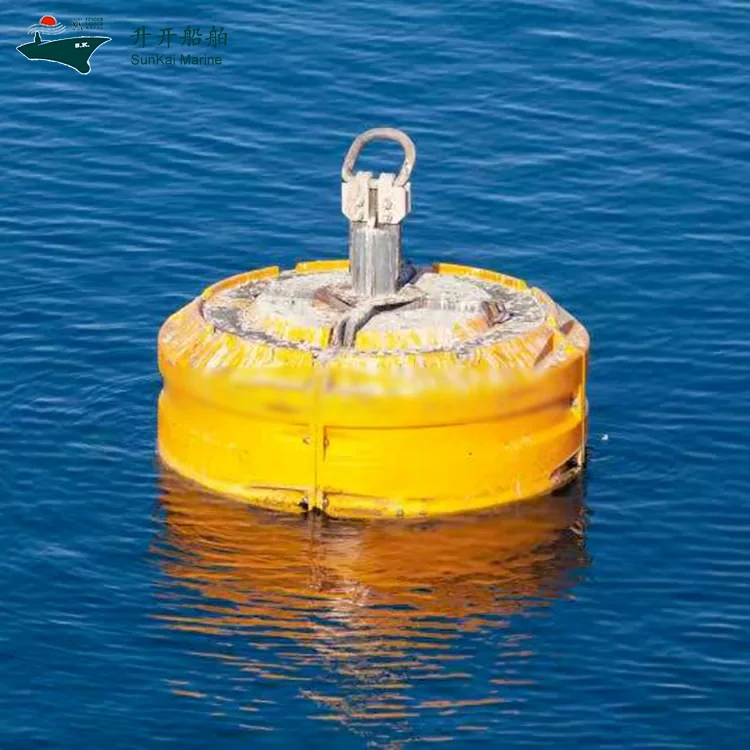
A navigation buoy is a vital marine aid to navigation designed to guide vessels safely through waterways, ports, and offshore areas. This in-depth guide explains what navigation buoys are, how they work, the different types available, and why they are essential for maritime safety and efficiency. Drawing on industry practices and real-world applications, this article also explores how professional manufacturers like SunKai provide reliable navigation buoy solutions that comply with international standards.

Navigation Buoy

Table of Contents

  1. Introduction to Navigation Buoys
  2. What Is a Navigation Buoy?
  3. How Navigation Buoys Ensure Maritime Safety
  4. Types of Navigation Buoys Explained
  5. Navigation Buoy Materials and Construction
  6. IALA Navigation Buoy Systems (Region A & B)
  7. Applications of Navigation Buoys
  8. How to Choose the Right Navigation Buoy
  9. Why Work with Professional Navigation Buoy Manufacturers
  10. Frequently Asked Questions

1. Introduction to Navigation Buoys

Marine navigation has evolved significantly, but one element remains constant: the need for clear, visible guidance on the water. Navigation buoys serve as floating signs, marking channels, hazards, anchorage areas, and safe routes for vessels of all sizes. From commercial shipping lanes to small fishing harbors, navigation buoys play a critical role in preventing accidents and ensuring smooth maritime operations.

According to international maritime standards, navigation buoys are considered essential aids to navigation (AtoN). Their presence reduces the risk of grounding, collision, and environmental damage, making them indispensable in modern marine infrastructure.


2. What Is a Navigation Buoy?

A navigation buoy is a floating device anchored to the seabed, designed to convey information to mariners. This information may include:

  • Safe water routes
  • Channel boundaries
  • Hazardous areas such as rocks or wrecks
  • Restricted or special-purpose zones

Navigation buoys use a combination of shape, color, numbering, topmarks, and light signals to communicate standardized messages. These signals are universally recognized under the International Association of Marine Aids to Navigation and Lighthouse Authorities (IALA) system.


3. How Navigation Buoys Ensure Maritime Safety

Navigation buoys act as the first line of defense against maritime accidents. Their effectiveness lies in consistency and visibility.

Key Safety Functions

  • Visual Guidance: Bright colors and reflective materials enhance daytime visibility.
  • Night Navigation: Solar-powered LED lights allow safe navigation after dark.
  • Hazard Warning: Special marks alert vessels to submerged dangers.
  • Traffic Management: Channel markers help organize vessel flow in busy ports.

By clearly defining safe routes, navigation buoys reduce human error and improve overall navigational confidence.


4. Types of Navigation Buoys Explained

Buoy Type Main Function Typical Color/Shape
Lateral Buoy Marks channel sides Red or Green
Cardinal Buoy Indicates safe water direction Black & Yellow
Isolated Danger Buoy Marks isolated hazards Black with Red Bands
Safe Water Buoy Indicates navigable water Red & White
Special Mark Buoy Marks special areas Yellow

5. Navigation Buoy Materials and Construction

Modern navigation buoys are engineered for durability and low maintenance. Common materials include:

  • Polyethylene (PE): Lightweight, corrosion-resistant, and UV-stable
  • Steel: High strength for offshore applications
  • Foam-Filled Cores: Ensure buoyancy even if the shell is damaged

Manufacturers like SunKai integrate advanced rotational molding and marine-grade coatings to extend service life in harsh marine environments.


6. IALA Navigation Buoy Systems (Region A & Region B)

The IALA system standardizes navigation buoy usage worldwide, divided into two regions:

  • Region A: Red buoys mark the port (left) side when entering a harbor
  • Region B: Red buoys mark the starboard (right) side when entering

Understanding these systems is essential for international shipping and safe vessel operation.


7. Applications of Navigation Buoys

  • Commercial shipping lanes
  • Ports and harbors
  • Offshore wind farms
  • Fishing zones
  • Environmental monitoring areas

For more technical specifications and product insights, you may refer to professional navigation buoy solutions through trusted industry resources and manufacturers.


8. How to Choose the Right Navigation Buoy

When selecting a navigation buoy, consider the following factors:

  1. Water depth and seabed conditions
  2. Wave height and current strength
  3. Visibility requirements
  4. Compliance with IALA standards
  5. Maintenance and service life

Choosing a certified supplier like SunKai ensures that your navigation buoys meet international safety and performance standards.


9. Why Work with Professional Navigation Buoy Manufacturers

Professional manufacturers offer:

  • Customized buoy designs
  • Strict quality control
  • International certifications
  • Technical support and after-sales service

Reliable navigation buoy systems are not just products—they are long-term safety investments.


Frequently Asked Questions (FAQ)

Q1: How long does a navigation buoy last?

High-quality navigation buoys can last 10–15 years or more with proper maintenance.

Q2: Are navigation buoys solar-powered?

Yes, most modern navigation buoys use solar-powered LED lighting systems.

Q3: Can navigation buoys be customized?

Absolutely. Size, color, light range, and markings can all be customized based on project needs.

Q4: Do navigation buoys require frequent maintenance?

Low-maintenance designs reduce servicing frequency, especially when using PE materials.


Conclusion

Navigation buoys are indispensable tools for safe and efficient marine navigation. From guiding vessels through narrow channels to warning of hidden hazards, their role cannot be overstated. By choosing high-quality, standards-compliant solutions from experienced manufacturers such as SunKai, maritime operators can significantly enhance safety and operational reliability.

If you are planning a marine project or upgrading existing navigation aids, selecting the right navigation buoy system is critical to long-term success. For professional guidance, customized solutions, and reliable products, contact us today and let our experts support your navigation safety needs.

Related News
Leave me a message
X
We use cookies to offer you a better browsing experience, analyze site traffic and personalize content. By using this site, you agree to our use of cookies. Privacy Policy
RejectAccept