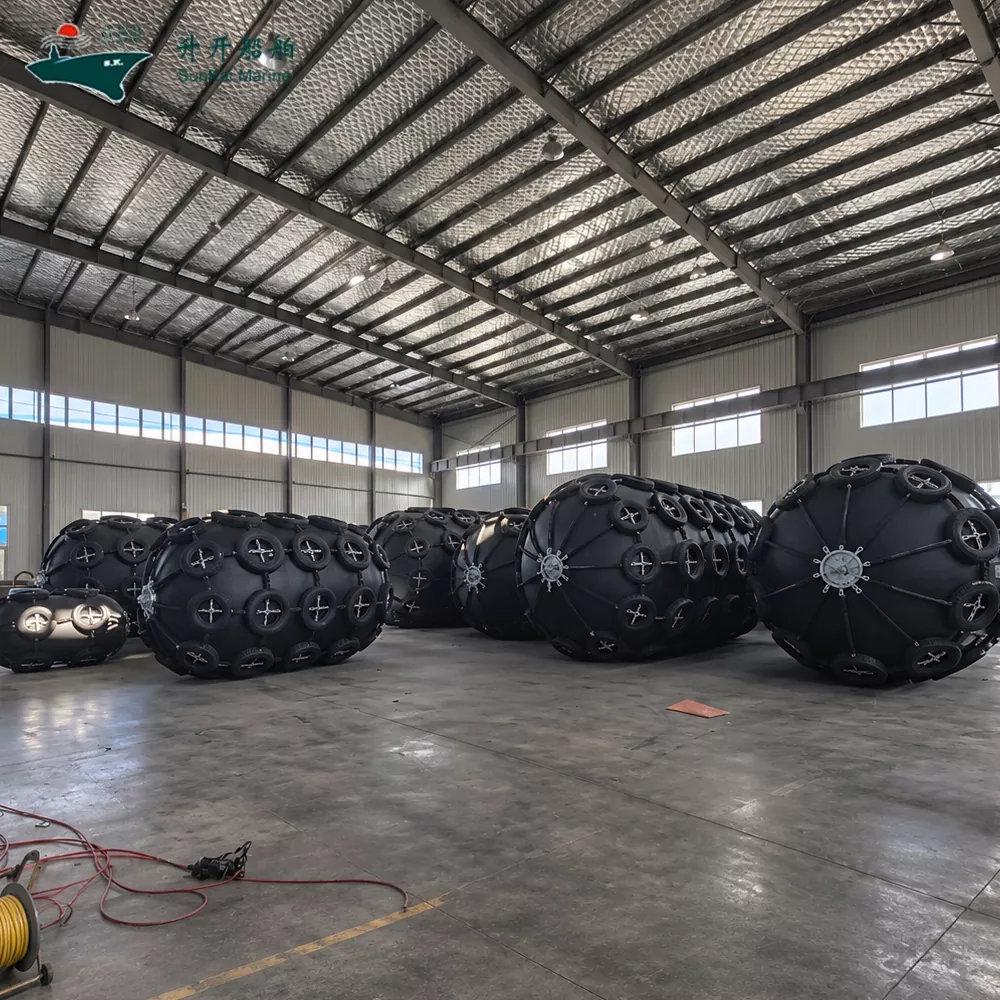
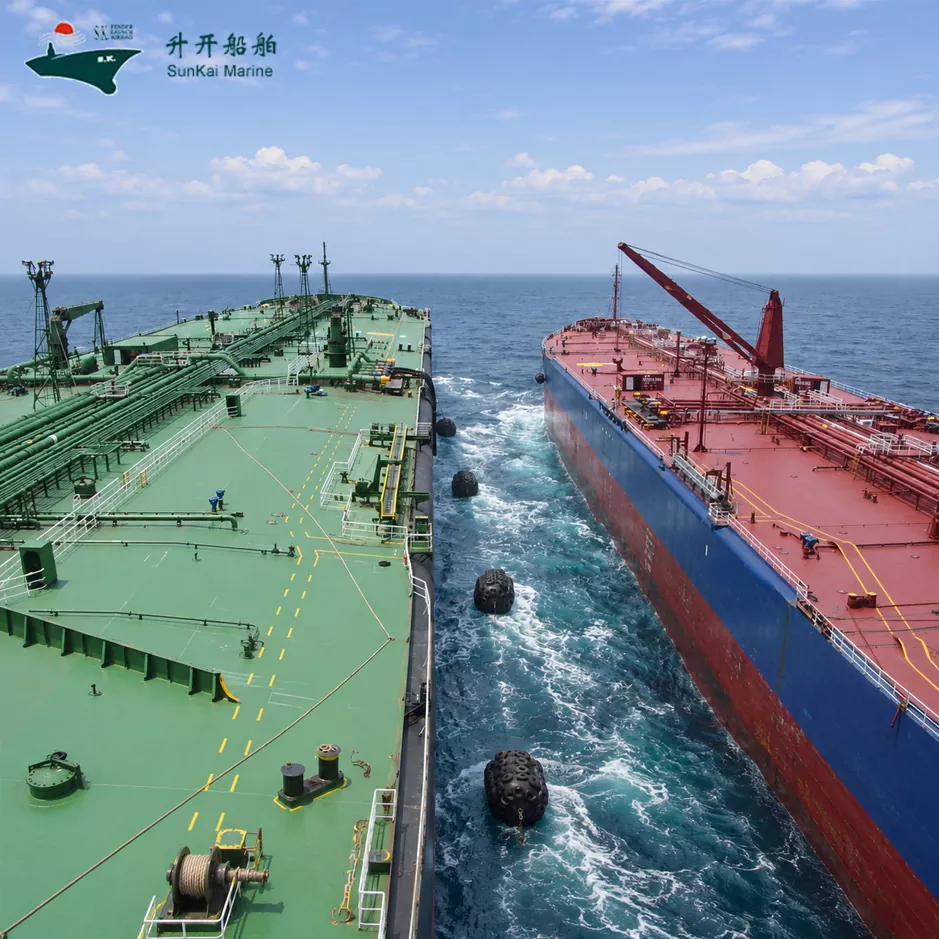
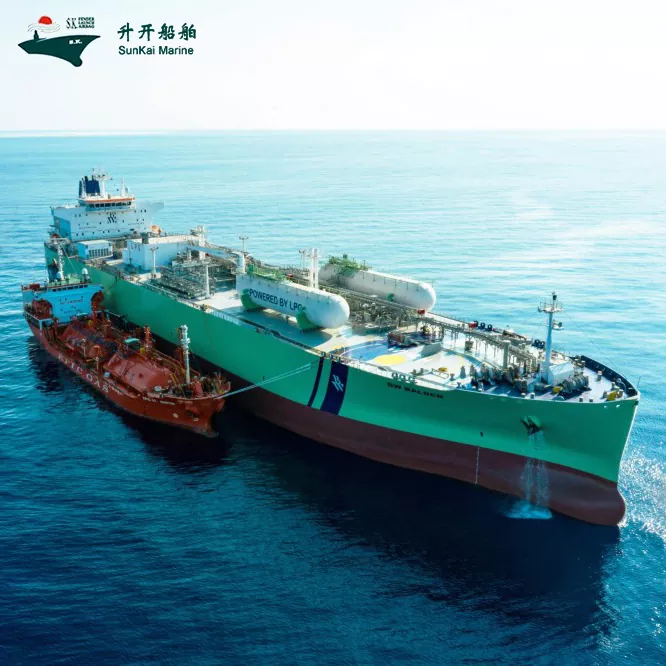
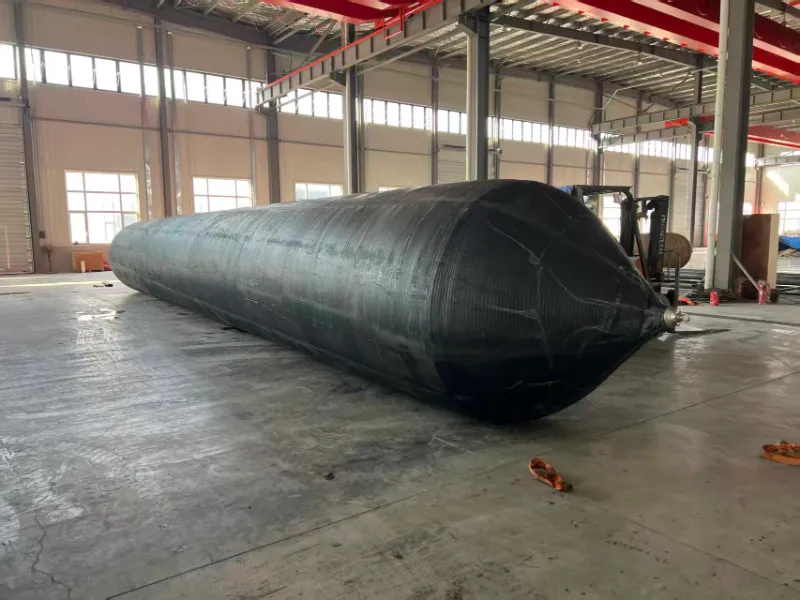
Qingdao SunKai Marine Supplies Co., Ltd. professionally supplies Ship Berthing Floating Rubber Fender System, featuring synthetic cord-reinforced rubber structure with tire chain net protection, manufactured in compliance with ISO 17357 standard. With high energy absorption and low reaction force, it is ideal for ship-to-ship transfer and dock berthing. Welcome to inquire and purchase.
Qingdao SunKai Marine Supplies Co., Ltd. directly sells Ship Berthing Floating Rubber Fender System, protected by tire chain net wrapping, with convenient sling type installation. Suitable for all types of vessel berthing protection. Welcome new and existing customers to inquire and order.
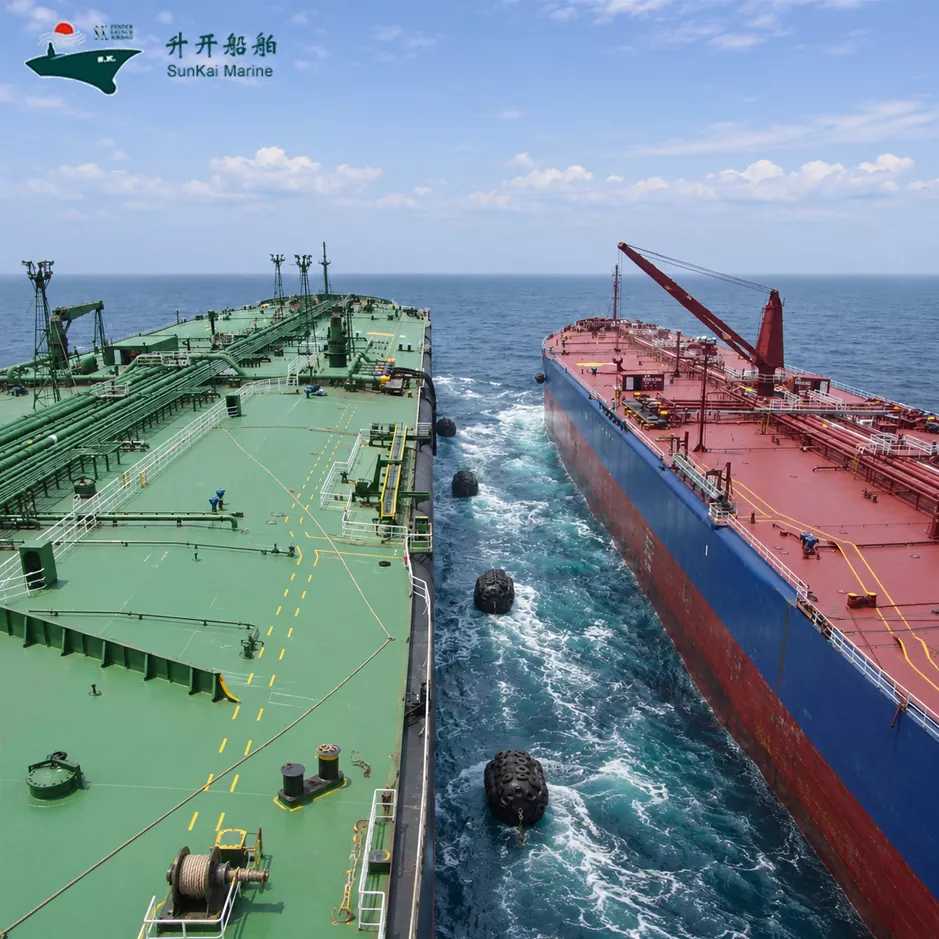
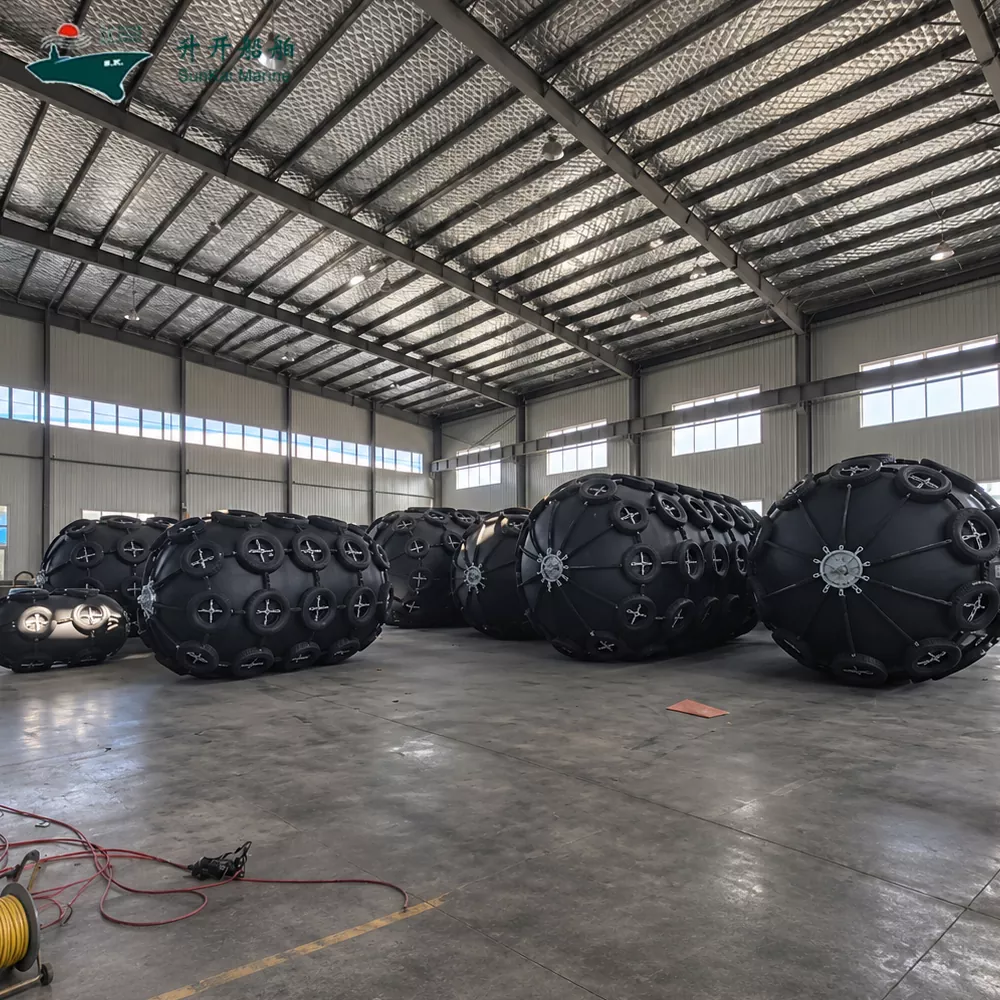
The Ship Berthing Floating Rubber Fender System, commonly known as Yokohama Fender, is a floating rubber fender inflated with compressed air. It consists of an outer abrasion-resistant rubber layer, multi-layer synthetic cord reinforcement, and an inner airtight rubber layer, with hemispherical metal valves at both ends, integrally vulcanized. It serves as a shock absorber between vessels (STS) or between vessel and dock (STD), absorbing berthing energy through air compression.
Key Advantages
1. High energy absorption with low reaction force: Approximately 80% of berthing energy is absorbed through air compression, with peak energy at 60% deflection. Reaction force is only 1/3 to 1/2 of solid fenders at the same energy level.
2. Self-adapting to tidal variations: Floating design automatically adjusts position with water level changes, no need for installation height adjustment due to tides.
3. Dual protection with tire chain net: External protection net made of used tires and galvanized chains effectively distributes concentrated loads and prevents sharp object scratches.
4. Flexible installation and reusable: Sling or net type installation, no dock embedded fixtures required, can be flexibly moved between berths.
5. Excellent durability: 3000 cycles without cracks or GEA reduction per ISO 17357, service life of 6-10 years under normal conditions.
6. Complete specifications and customization: Diameter from 500mm to 4500mm, length from 1000mm to 12000mm, P50/P80 pressure ratings available.
Specifications
Performance at 60% deflection:
Size D×L (mm)
50kPa Reaction Force (kN)
50kPa GEA (kJ)
80kPa Reaction Force (kN)
80kPa GEA (kJ)
500×1000
64
6
85
8
600×1200
86
10
108
13
700×1500
137
17
180
24
1000×1500
182
32
239
45
1000×2000
257
45
338
63
Note: Full specification table available on request. Custom sizes available.
Applications
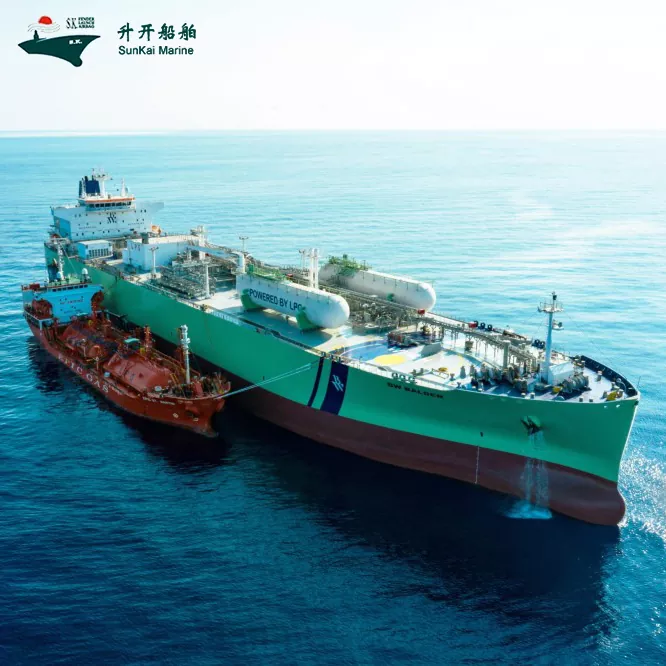
(1) Ship-to-Ship (STS) transfer: Standard equipment for STS operations, widely used in crude oil, refined oil, LPG, LNG cargo transfer at sea.
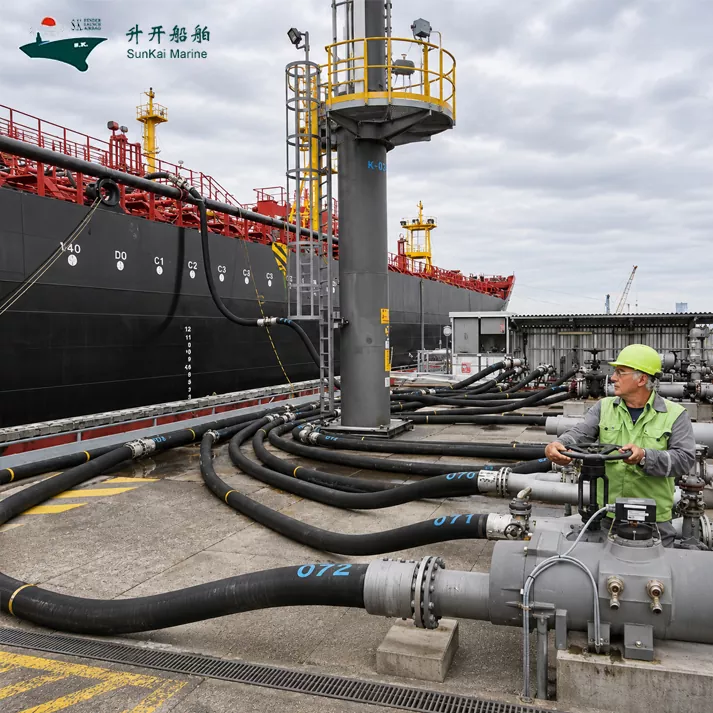
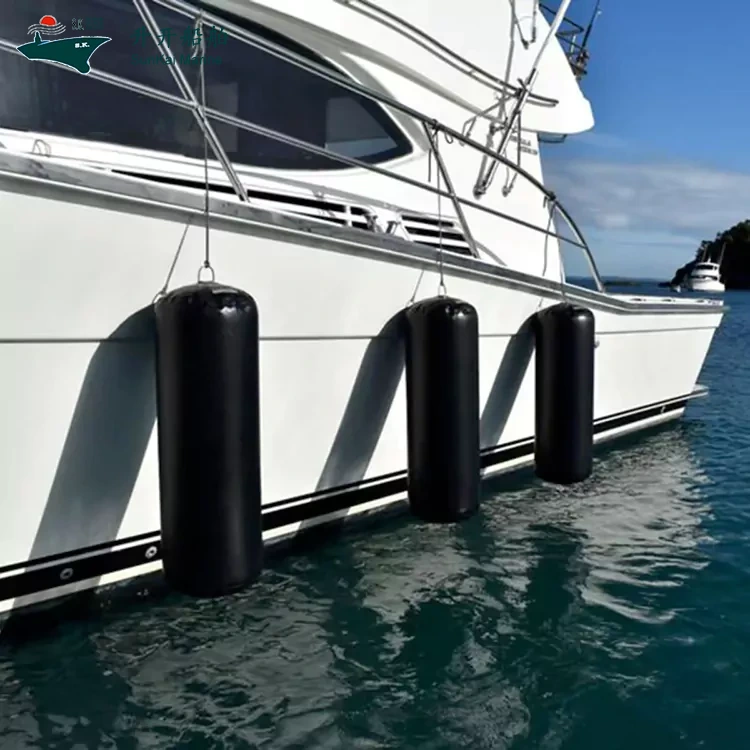
(2) Ship-to-Dock (STD) berthing: Suitable for all types of port terminals including container, bulk cargo, oil, LNG, and Ro-Ro terminals.
(3) Offshore platforms and FPSO/FSRU: Berthing protection for offshore oil & gas platforms, floating production storage and offloading units.
(4) Shipyards and repair bases: Temporary berthing for newbuilding vessels, waiting berthing for repair, and dock entrance protection.
(5) Military and special vessels: Berthing protection for naval vessels, research ships, and coast guard vessels.
(6) Emergency and temporary berthing: Quick deployment for disaster relief, maritime emergency, and temporary port construction.
Quality Assurance
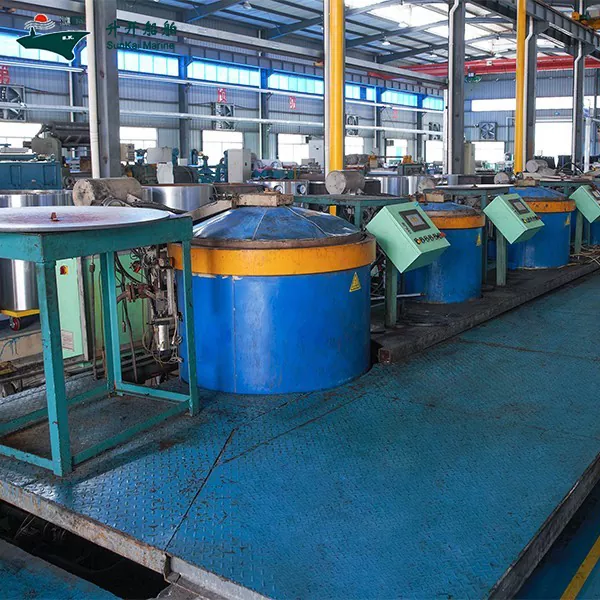
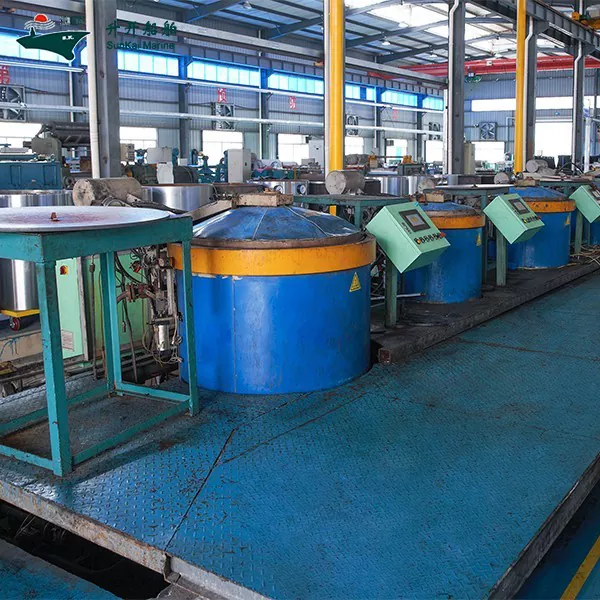
Qingdao SunKai Marine Supplies Co., Ltd. has established a comprehensive quality management system certified to ISO 9001:2015. Each fender undergoes strict inspection from raw material incoming to finished product outgoing, including raw material inspection, production process monitoring, appearance and dimension inspection, 24-hour air tightness test, hydrostatic pressure test at 1.5x working pressure, and compression performance test. Classification society inspection (CCS, BV, ABS, DNV, LR, NK) available upon request.
Installation Guide
Installation steps: (1) Pre-installation inspection: Check fender appearance, verify accessories (slings, chains, tires, shackles, pressure gauge), prepare air compressor, clear installation area. (2) Inflation: Place fender flat, connect air hose, inflate slowly to 50% rated pressure and check for leaks, then continue to rated pressure (P50=50kPa, P80=80kPa), close valve, wait 30 min to confirm pressure stable. (3) Tire chain net assembly: Arrange tires evenly, connect with galvanized chains, fix end tires with radial chains. (4) Sling installation: High-strength nylon slings connected to end lifting lugs with shackles, add rubber pads at contact points. (5) Lifting and positioning: Lift horizontally with crane, lower to water or berthing position, fix slings to bollards, adjust position, perform test berthing for acceptance.
Maintenance
Monthly: Check inflation pressure (within ±5% of rated), inspect for cuts/cracks, check tire chain net condition. Quarterly: Fresh water rinse, check tire wear, inspect slings and chains for corrosion. Annually: Full inspection, 24-hour air tightness test, corrosion protection for metal fittings. Service life: 6-10 years under normal conditions with proper maintenance.
Standards & Certifications
All products comply with ISO 17357-1:2014 (High-pressure floating pneumatic rubber fenders) and ISO 9001:2015 quality management system. Classification society inspections available: CCS (China), BV (France), ABS (USA), DNV (Norway), LR (UK), NK (Japan). Each fender is factory-tested including 24-hour air tightness test, hydrostatic pressure test at 1.5x working pressure, and compression performance test. Product certificate and inspection report provided with each shipment.
FAQ
Q: What is the service life of pneumatic fenders?
A: 6-10 years under normal conditions, depending on usage frequency, environment, and maintenance.
Q: What is the difference between P50 and P80?
A: P50 (50kPa) has softer reaction force for vessels under 80,000 DWT; P80 (80kPa) has higher energy absorption for large vessels over 80,000 DWT (VLCC/LNG).
Q: Can a leaking fender be repaired?
A: Minor cuts can be repaired with rubber repair compound; deep cuts or punctures require factory repair followed by air tightness and hydrostatic tests.
Q: Do I need to replace the entire tire chain net if one tire is worn?
A: No, each tire is independently connected and can be replaced individually. Keep spare tires and chains available.
Q: Can fenders be used in cold regions?
A: Yes, our low-temperature resistant rubber formula works from -30°C to +60°C. Adjust inflation pressure for temperature changes.
Send your inquiry to SunKai now! Get a quick quote for our quality Marine Airbag, Marine Fender, Marine Buoys. Our China team offers professional support.
We use cookies to offer you a better browsing experience, analyze site traffic and personalize content. By using this site, you agree to our use of cookies. Privacy Policy