Follow Us:

News

Why Should Ports and Shipyards Choose EVA Solid Fenders for Vessel Protection

2026-01-06 0 Leave me a message

Abstract: EVA Solid Fenders have become a preferred marine protection solution for ports, shipyards, offshore platforms, and vessel operators worldwide. In this in-depth guide, I will explain what EVA Solid Fenders are, how they work, why they outperform traditional fender systems, and how to select the right type for your application.

EVA Solid Fenders

Table of Contents

  1. What Are EVA Solid Fenders?
  2. How Do EVA Solid Fenders Work?
  3. Why EVA Solid Fenders Are Better Than Traditional Marine Fenders
  4. Key Applications of EVA Solid Fenders
  5. Material Structure and Manufacturing Process
  6. Performance Advantages in Real Marine Conditions
  7. How to Choose the Right EVA Solid Fenders
  8. Maintenance, Lifespan, and Cost Efficiency
  9. Comparison Table: EVA Solid Fenders vs Other Fender Types
  10. Frequently Asked Questions

1. What Are EVA Solid Fenders?

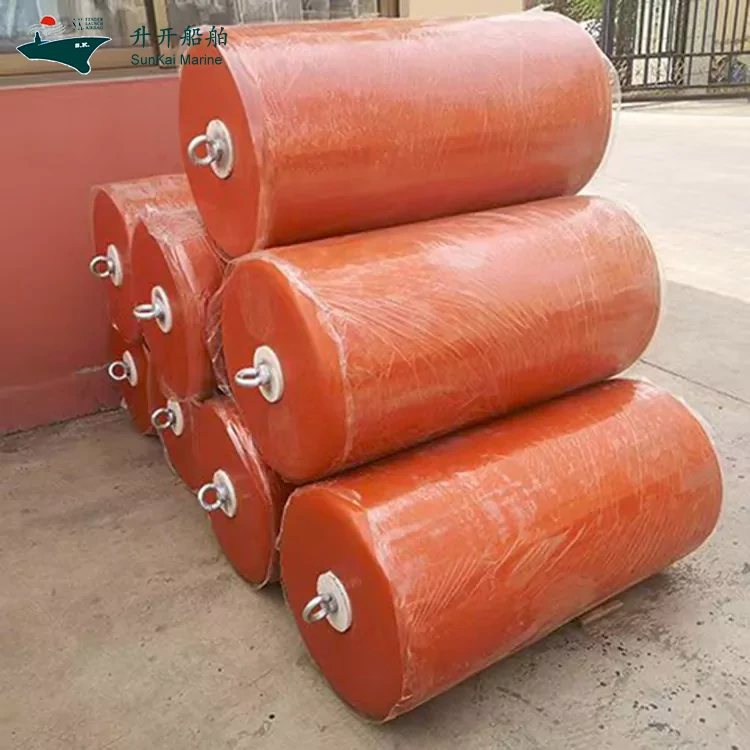
EVA Solid Fenders are marine fender systems made from closed-cell Ethylene Vinyl Acetate (EVA) foam. Unlike hollow or inflatable fenders, EVA Solid Fenders feature a fully solid internal structure combined with an elastic outer skin, allowing them to absorb high-impact energy while maintaining structural integrity.

In practical marine operations, EVA Solid Fenders act as a protective buffer between vessels and fixed structures such as docks, wharves, and offshore platforms. Because they do not rely on air pressure, EVA Solid Fenders eliminate the risk of sudden deflation, which is a major concern with pneumatic fenders.

For a technical overview of EVA Solid Fenders, you can also refer to this authoritative resource: EVA Solid Fenders technical specifications.


2. How Do EVA Solid Fenders Work?

The working principle of EVA Solid Fenders is based on controlled energy absorption and gradual load distribution. When a vessel makes contact with the fender, the closed-cell EVA foam compresses uniformly, converting kinetic energy into elastic deformation.

  • High energy absorption with low reaction force
  • Uniform compression across the contact surface
  • No internal air pressure dependency
  • Immediate recovery after impact

This mechanism ensures that both the vessel hull and the berthing structure remain protected even during repeated or high-energy impacts.


3. Why EVA Solid Fenders Are Better Than Traditional Marine Fenders

From my experience analyzing marine protection systems, EVA Solid Fenders consistently outperform traditional rubber and pneumatic fenders in long-term performance.

Key reasons include:

  1. No risk of puncture or explosion – EVA Solid Fenders remain functional even if the outer skin is damaged.
  2. Superior durability – Resistant to UV, seawater, chemicals, and extreme temperatures.
  3. Stable performance – Energy absorption does not fluctuate with air pressure changes.
  4. Lower lifecycle cost – Reduced maintenance and longer service life.

For ports seeking operational reliability, EVA Solid Fenders provide peace of mind that traditional systems often cannot match.


4. Key Applications of EVA Solid Fenders

EVA Solid Fenders are widely used across various marine sectors due to their versatility:

  • Commercial ports and container terminals
  • Naval and coast guard vessels
  • Offshore oil and gas platforms
  • Ship-to-ship transfer operations
  • Tugboats and workboats

At SunKai, EVA Solid Fenders are frequently recommended for high-risk berthing zones where impact forces are unpredictable and operational uptime is critical.


5. Material Structure and Manufacturing Process

The performance of EVA Solid Fenders depends heavily on their internal structure and manufacturing quality.

Typical construction includes:

  • Closed-cell EVA foam core with controlled density
  • Reinforced outer polyurethane or rubber coating
  • Integrated flanges or chains for secure installation

This layered design allows EVA Solid Fenders to maintain elasticity while resisting abrasion, tearing, and marine growth.


6. Performance Advantages in Real Marine Conditions

In real-world marine environments, EVA Solid Fenders demonstrate outstanding resilience. Even under constant wave action, tidal changes, and repeated berthing cycles, performance remains consistent.

Advantages observed in field use include:

  • Minimal performance degradation over time
  • Excellent shock absorption during emergency berthing
  • Stable behavior in extreme cold or heat

This reliability is one of the main reasons SunKai integrates EVA Solid Fenders into long-term port infrastructure projects.


7. How to Choose the Right EVA Solid Fenders

Selecting the correct EVA Solid Fenders requires careful evaluation of several parameters:

  1. Vessel size and displacement
  2. Berthing velocity and angle
  3. Tidal range and environmental conditions
  4. Installation method and available space

Working with experienced suppliers like SunKai ensures that EVA Solid Fenders are correctly sized and installed for optimal protection.


8. Maintenance, Lifespan, and Cost Efficiency

One of the biggest advantages of EVA Solid Fenders is their low maintenance requirement. Unlike pneumatic systems, there is no need for pressure checks or inflation equipment.

Typical benefits include:

  • Service life exceeding 10–15 years
  • Minimal inspection requirements
  • Lower total cost of ownership

Over time, EVA Solid Fenders deliver significant cost savings while improving safety and operational efficiency.


9. Comparison Table: EVA Solid Fenders vs Other Fender Types

Fender Type Energy Absorption Maintenance Durability Risk of Failure
EVA Solid Fenders High Low Excellent Very Low
Pneumatic Fenders High High Moderate Medium
Rubber Fenders Medium Medium Good Low

Frequently Asked Questions (FAQ)

Are EVA Solid Fenders suitable for offshore use?

Yes. EVA Solid Fenders are widely used in offshore platforms due to their durability and resistance to harsh marine environments.

Do EVA Solid Fenders require inflation?

No. EVA Solid Fenders are completely solid and do not rely on air pressure.

How long do EVA Solid Fenders last?

With proper installation, EVA Solid Fenders typically last over a decade with minimal maintenance.

Can EVA Solid Fenders be customized?

Yes. Sizes, shapes, colors, and attachment methods can be customized to meet specific project requirements.


Conclusion:
EVA Solid Fenders represent a modern, reliable, and cost-effective solution for marine impact protection. Whether you are upgrading port infrastructure or safeguarding offshore operations, EVA Solid Fenders offer unmatched performance and peace of mind.

If you are evaluating high-quality EVA Solid Fenders for your next project, SunKai is ready to support you with technical expertise and proven solutions. To learn more about specifications, applications, or customized options, contact us today and let our marine protection specialists help you build safer, smarter berthing systems.

Related News
Leave me a message
X
We use cookies to offer you a better browsing experience, analyze site traffic and personalize content. By using this site, you agree to our use of cookies. Privacy Policy
RejectAccept