Marine Airbag technology has transformed modern shipbuilding, launching, docking, and salvage operations by offering a safer, more flexible, and cost-effective alternative to traditional methods. In this in-depth guide, we explore how Marine Airbags work, why they are widely adopted across the global maritime industry, and how they compare to conventional launching systems. Drawing on practical engineering principles and industry experience, this article explains key technical parameters, application scenarios, safety standards, and purchasing considerations—helping shipyards, marine contractors, and project managers make informed decisions.
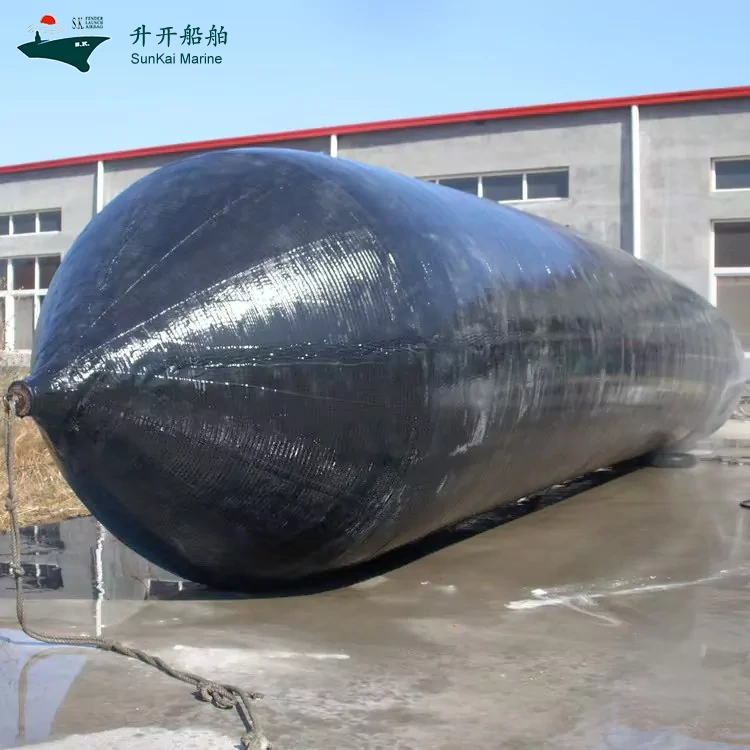
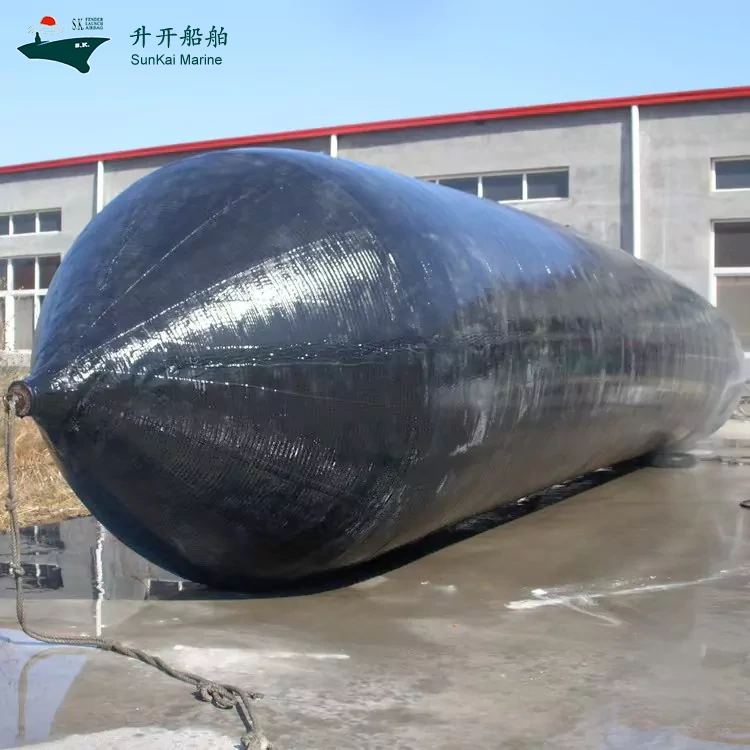
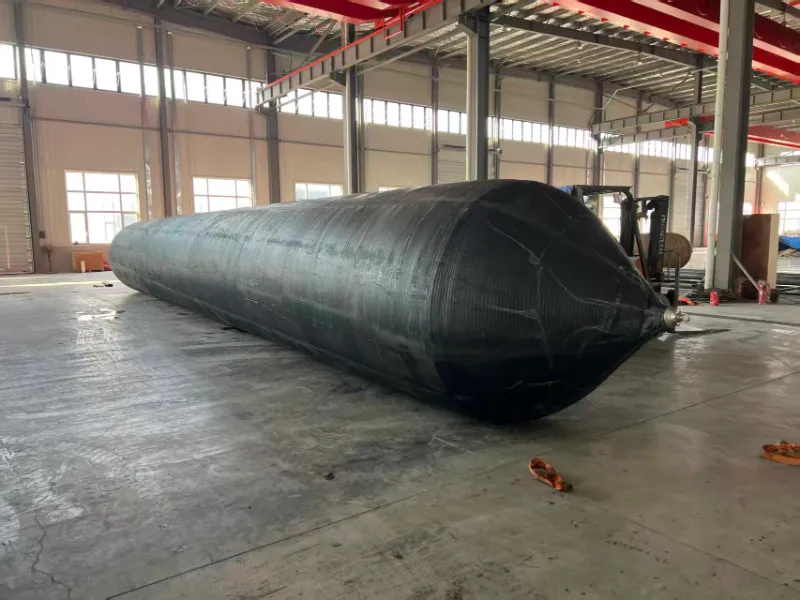
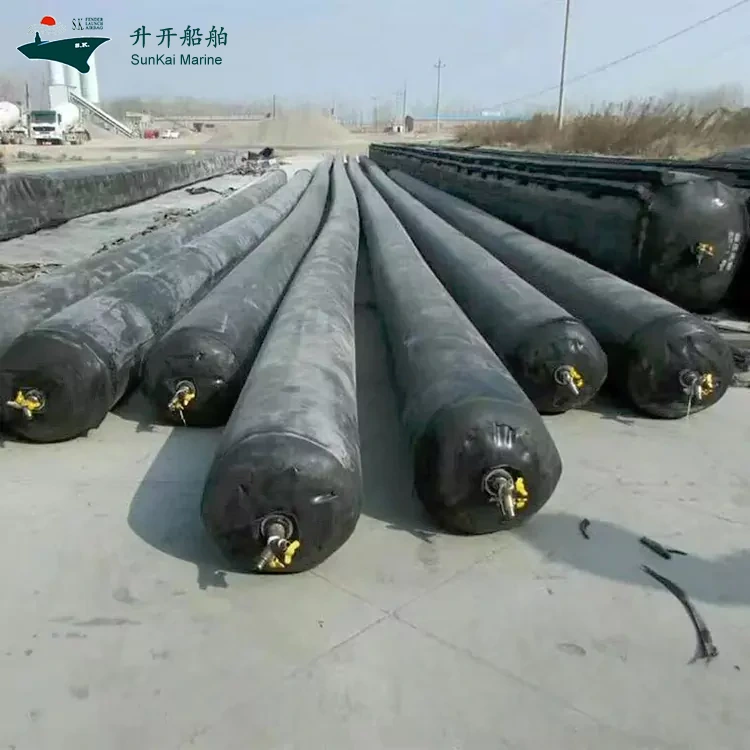
A Marine Airbag is a cylindrical, inflatable rubber device primarily used for ship launching, ship landing, vessel docking, and marine salvage operations. Manufactured from high-strength synthetic rubber layers reinforced with tire-cord fabric, Marine Airbags are designed to bear massive loads while maintaining elasticity and structural integrity.
Unlike rigid mechanical systems, Marine Airbags distribute pressure evenly across the hull, minimizing structural stress and reducing the risk of damage. According to industry practices outlined at Marine Airbag technical references, this technology has become a standard solution for both small shipyards and large-scale marine engineering projects.
Marine Airbags operate on a simple but highly effective physical principle: controlled air pressure combined with elastic deformation. During ship launching or docking, multiple Marine Airbags are placed beneath the hull and inflated to a calculated pressure level.
This rolling-and-lifting mechanism allows vessels to transition seamlessly between land and water without requiring permanent infrastructure such as slipways or dry docks.
Marine Airbags are highly versatile and used across a wide range of maritime applications:
Their adaptability makes Marine Airbags especially valuable in remote areas where traditional infrastructure is impractical or unavailable.
The growing popularity of Marine Airbags is driven by several key advantages:
From a project management perspective, Marine Airbags significantly reduce capital investment while maintaining high operational reliability.
| Method | Infrastructure Required | Cost Level | Flexibility | Safety |
|---|---|---|---|---|
| Marine Airbag | Minimal | Low | High | High |
| Slipway | Permanent | High | Low | Medium |
| Dry Dock | Extensive | Very High | Low | High |
Selecting the right Marine Airbag requires understanding its core technical parameters:
High-quality Marine Airbags are manufactured to comply with recognized industry standards and undergo strict pressure and fatigue testing.
When choosing a Marine Airbag solution, decision-makers should evaluate:
Working with experienced manufacturers such as SunKai ensures proper technical guidance, customized solutions, and consistent product quality.
Marine Airbag operations must follow strict safety procedures:
Adhering to best practices not only protects personnel but also extends the service life of the Marine Airbag system.
A reputable Marine Airbag supplier provides more than just products. They offer engineering calculations, on-site guidance, and post-project support. Companies like SunKai focus on long-term partnerships, helping clients optimize safety, efficiency, and return on investment.
With proper maintenance and storage, Marine Airbags can be reused for many years across multiple projects.
Yes. By increasing diameter, quantity, and reinforcement layers, Marine Airbags can support vessels weighing thousands of tons.
Compared to permanent infrastructure, Marine Airbags have a smaller environmental footprint and require minimal site modification.
Operators should receive basic technical training to ensure correct placement, inflation, and safety compliance.
Marine Airbags have redefined modern maritime engineering by delivering unmatched flexibility, safety, and economic efficiency. Whether used for ship launching, docking, or salvage, this proven technology continues to gain global trust. If you are planning a marine project and want expert guidance and reliable solutions, contact us today—SunKai is ready to support your success with professional Marine Airbag systems tailored to your needs.
Phone: +86-15853213129
Mobile: +86-15908962397
Address:No. 869, Yanqing Road, Tongji Street, Jimo District, Qingdao City, Shandong Province, China
Copyright © 2025 Qingdao SunKai Marine Supplies Co., Ltd. All Rights Reserved.