Vessel airbag technology has become one of the most transformative solutions in the modern marine and shipbuilding industry. As global shipyards seek safer, more flexible, and cost-efficient methods for vessel launching, landing, and salvage operations, vessel airbags have steadily replaced traditional slipways and dry docks in many regions. From small fishing boats to large commercial vessels, these high-performance marine airbags offer unmatched adaptability, load-bearing capacity, and operational efficiency.
In this comprehensive guide, we explore what a vessel airbag is, how it works, why it is critical to modern marine engineering, and which factors determine a reliable airbag system. Drawing on industry standards, engineering practices, and real-world applications, this article is designed to meet Google EEAT principles by emphasizing expertise, experience, authority, and trustworthiness.
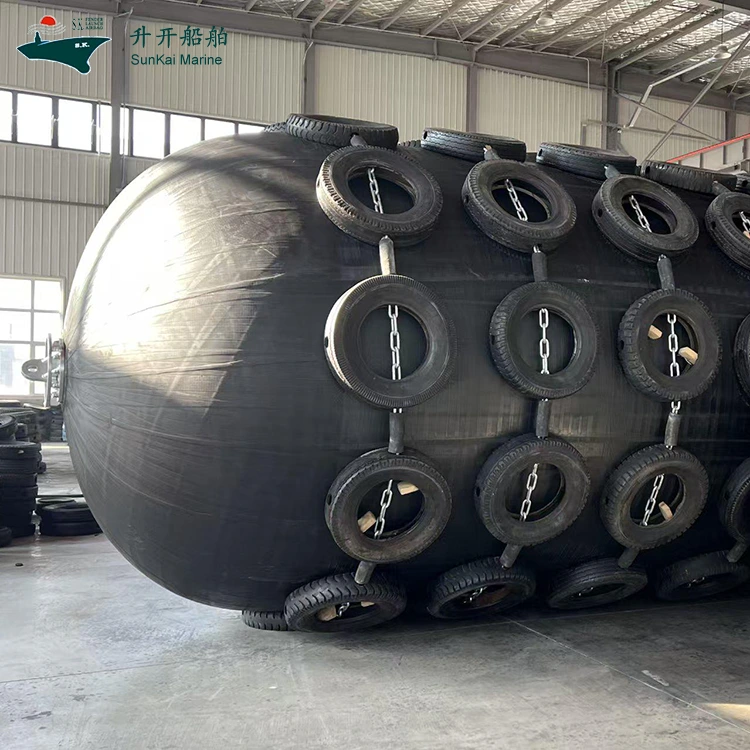
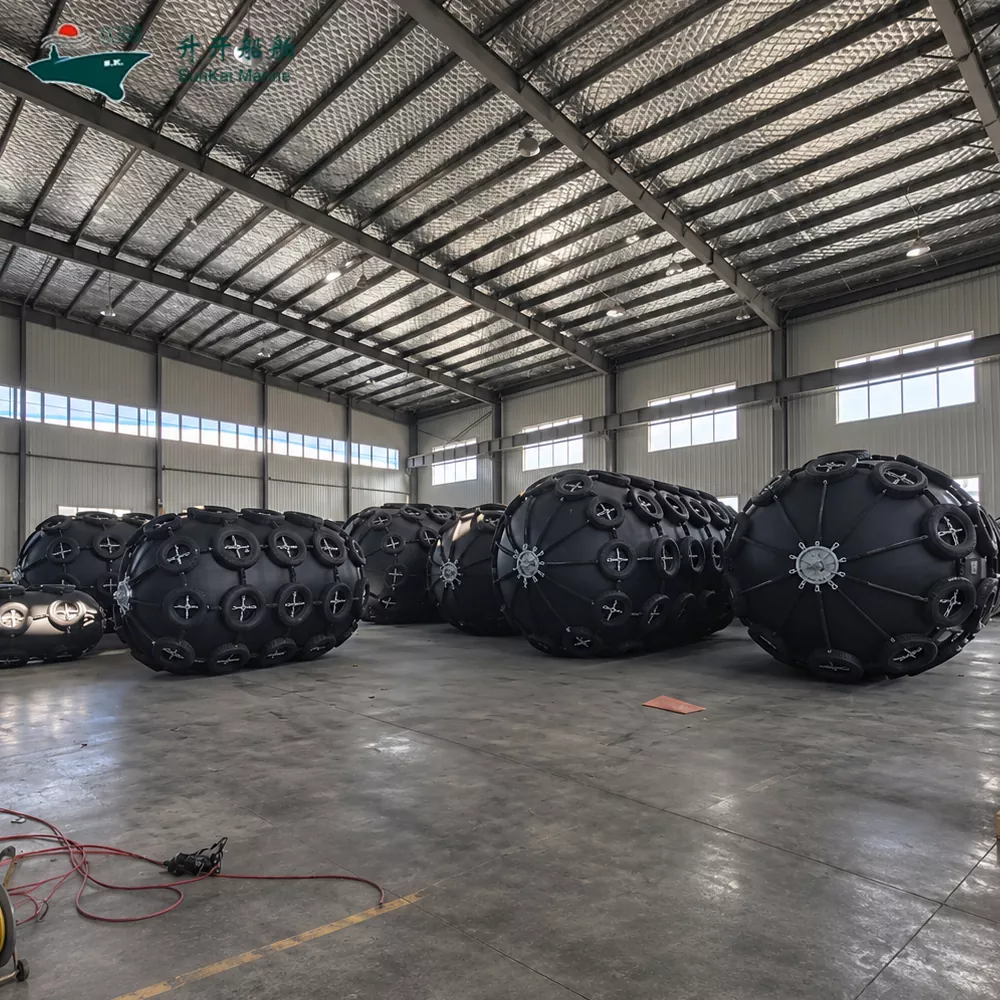
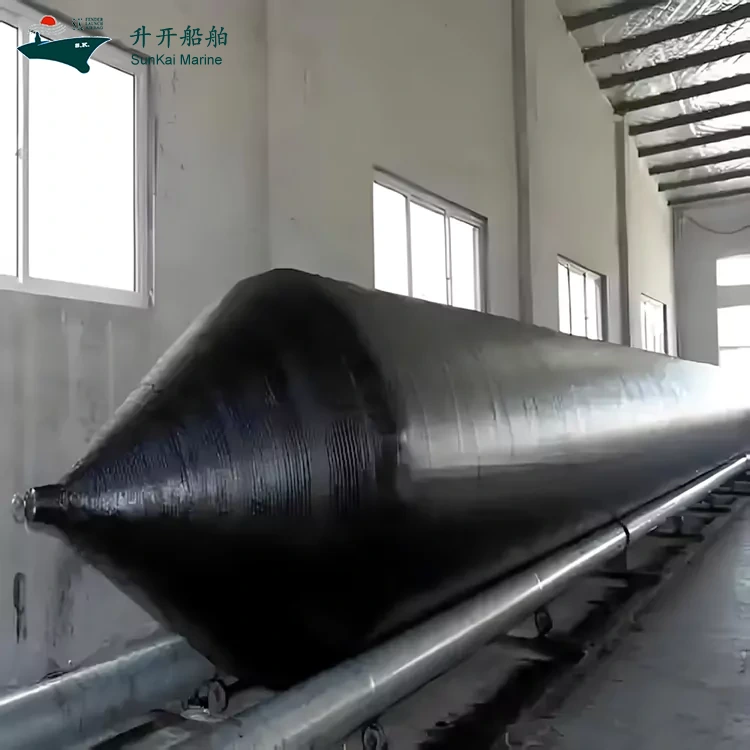
A vessel airbag, often referred to as a marine rubber airbag, is a cylindrical inflatable device made from high-strength synthetic tire-cord layers and durable rubber compounds. It is engineered to lift, move, launch, or retrieve vessels by distributing load evenly across the hull surface.
Unlike ordinary inflatable products, vessel airbags are designed for extreme pressure resistance, abrasion tolerance, and long-term structural integrity. Their construction typically follows international standards such as ISO 14409, ensuring predictable performance under heavy loads.
The primary reason vessel airbags are widely adopted is their operational efficiency. Traditional ship launching methods require permanent infrastructure, extensive civil works, and high maintenance costs. Vessel airbags, by contrast, offer mobility, reusability, and scalability.
Companies such as Qingdao SunKai Marine Supplies Co., Ltd. have contributed to the global adoption of vessel airbags by continuously improving material formulations and manufacturing processes to meet diverse operational demands.
The working principle of a vessel airbag is based on controlled inflation and rolling motion. During a launching operation, multiple airbags are positioned beneath the vessel hull. As air pressure increases, the airbags lift the vessel and enable it to roll smoothly into the water.
The key to safe operation lies in pressure control, alignment, and synchronized movement. Proper calculations are performed in advance to determine the number, diameter, and spacing of airbags required for a specific vessel displacement.
Vessel airbags can be categorized based on application and structure. Common types include:
Each type is designed to withstand different pressure ranges and load conditions, ensuring operational safety across multiple scenarios.
| Parameter | Description | Industry Importance |
|---|---|---|
| Diameter | Typically ranges from 0.8m to 2.5m | Determines lifting height and load distribution |
| Length | Customized according to vessel beam | Ensures stability during rolling |
| Layer Count | 4 to 12 tire-cord layers | Directly impacts load-bearing capacity |
| Working Pressure | 0.05–0.25 MPa | Controls lifting force and safety margin |
Vessel airbags are widely used in:
Their versatility allows shipyards in developing coastal regions to perform operations previously limited to advanced infrastructure facilities.
Selecting a reliable vessel airbag supplier involves evaluating manufacturing experience, material traceability, compliance with international standards, and documented project references.
Reputable manufacturers, including Qingdao SunKai Marine Supplies Co., Ltd., emphasize quality control, engineering support, and after-sales service to ensure long-term operational reliability.
What is the typical lifespan of a vessel airbag?
With proper maintenance and correct pressure control, a vessel airbag can remain operational for 8–10 years, depending on usage frequency and environmental conditions.
Why are vessel airbags considered safer than traditional slipways?
Vessel airbags distribute load evenly and reduce localized stress on the hull, lowering the risk of structural damage during launching and landing operations.
How many vessel airbags are required for one ship launch?
The number depends on vessel displacement, hull geometry, and safety factors. Engineering calculations typically determine spacing and quantity.
Which standards apply to vessel airbag manufacturing?
Common references include ISO 14409 and industry-specific marine engineering guidelines.
What role does supplier expertise play in airbag performance?
Experienced suppliers provide accurate load calculations, installation guidance, and risk assessments, all of which directly impact safety and efficiency.
If you are planning a ship launching, salvage, or marine transport project and want a reliable, cost-effective solution, vessel airbags may be the ideal choice. To learn more about customized solutions and professional engineering support, contact us today and let our experts help you achieve safer and more efficient marine operations.
Phone: +86-15853213129
Mobile: +86-15908962397
Address:No. 869, Yanqing Road, Tongji Street, Jimo District, Qingdao City, Shandong Province, China
Copyright © 2025 Qingdao SunKai Marine Supplies Co., Ltd. All Rights Reserved.