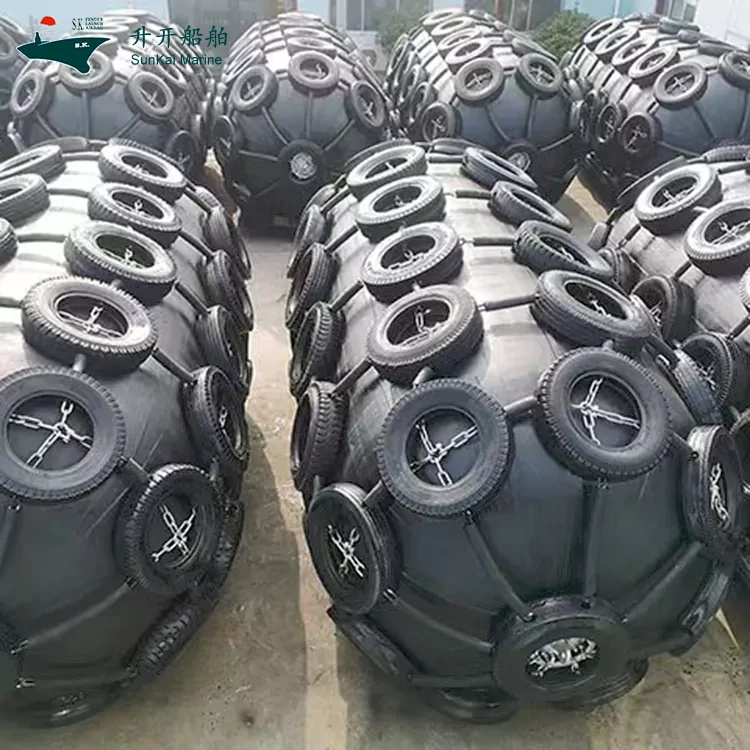
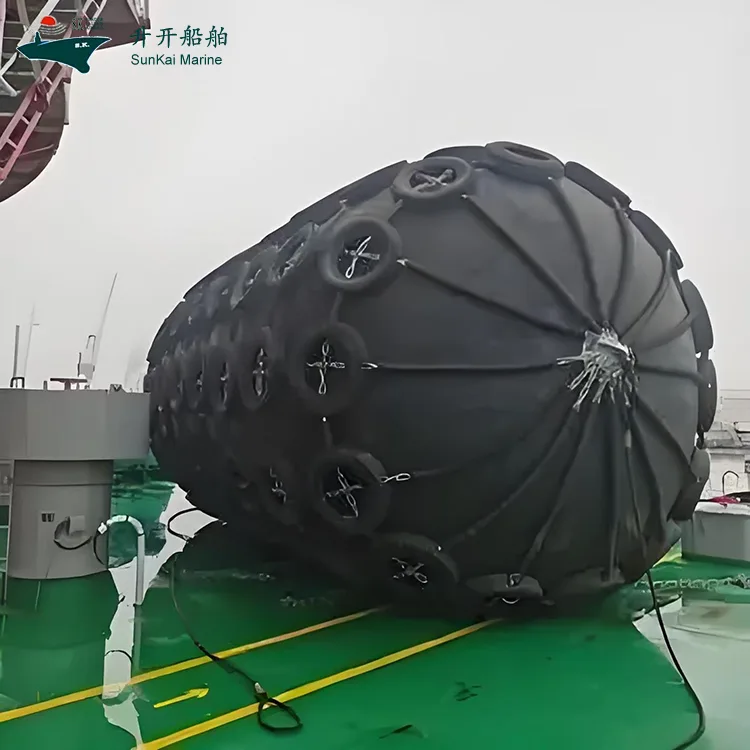
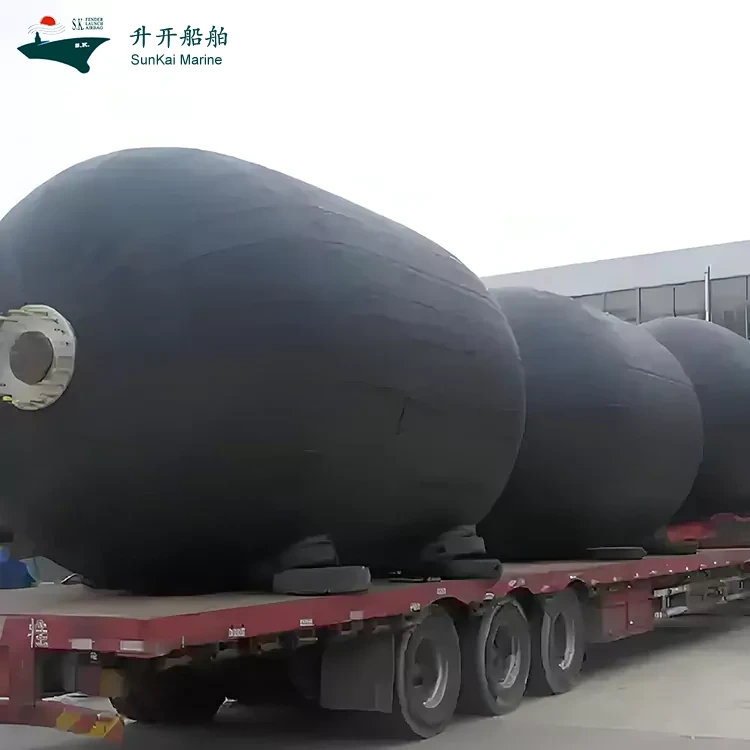
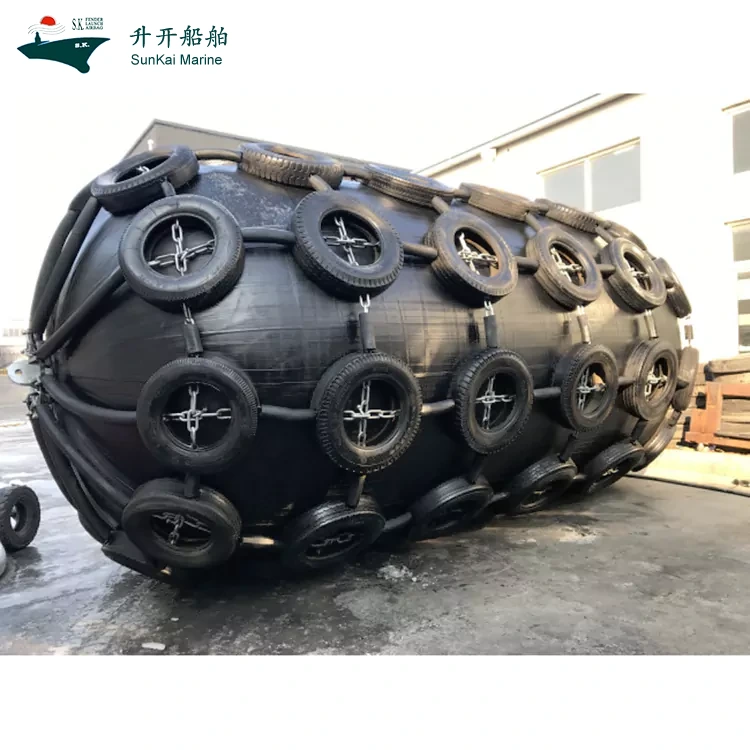
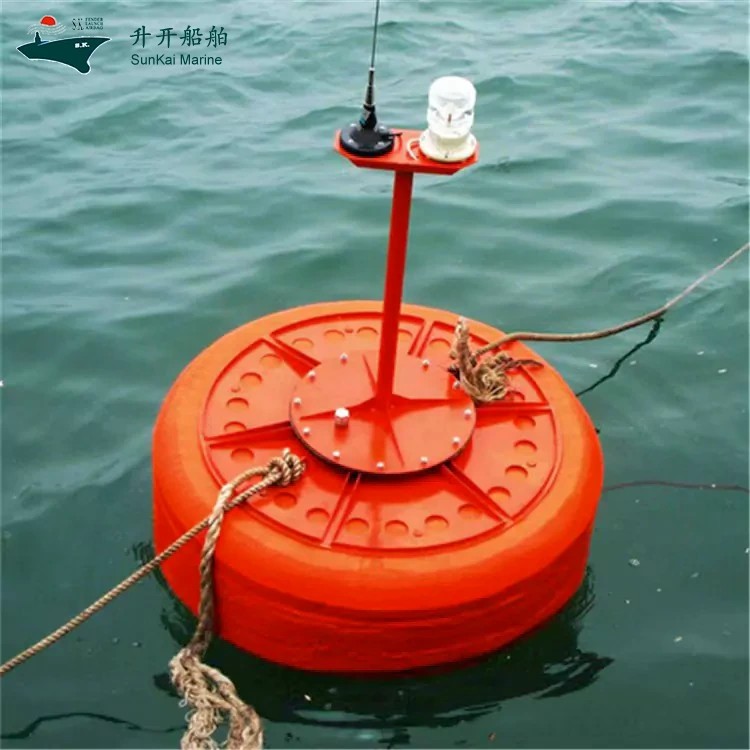
A Dock Fender is a vital marine safety system designed to absorb the kinetic energy generated when vessels berth against docks, piers, or wharves. In this in-depth guide, we explore what a dock fender is, how it works, why it matters for port safety, and how to choose the right dock fender system for different marine applications.
A Dock Fender is a protective marine device installed on docks, quays, piers, or wharves to cushion the impact between a vessel and the fixed structure during berthing and mooring. When a ship approaches a dock, it carries significant kinetic energy due to its mass and speed. Without a dock fender system, this energy would be transferred directly to both the vessel hull and the dock structure, causing damage, safety risks, and high maintenance costs.
Modern dock fenders are engineered systems, not just rubber bumpers. They are designed based on vessel size, berthing velocity, tidal range, and structural constraints. High-performance dock fenders can absorb large amounts of energy while maintaining controlled reaction forces.
For an overview of professional marine-grade solutions, you can explore dock fender systems designed for port and ship applications.
Ports and terminals operate under constant pressure: large vessels, tight schedules, and challenging environmental conditions. A reliable dock fender is essential for maintaining operational safety and structural integrity.
From small marinas to large commercial ports, dock fender systems are a foundational element of safe marine operations.
The working principle of a dock fender revolves around energy absorption. When a vessel contacts the dock:
A well-designed dock fender system ensures maximum energy absorption with minimal reaction force, preventing excessive stress on both the vessel and the dock structure.
There are several types of dock fenders used worldwide, each suited to specific applications and vessel sizes:
Each dock fender type is engineered with specific load, deflection, and environmental requirements in mind.
Material selection plays a critical role in dock fender performance and lifespan:
Companies like SunKai focus on combining advanced rubber formulations with robust structural components to deliver long-lasting dock fender solutions.
Selecting the right dock fender requires careful engineering analysis:
An incorrectly selected dock fender can lead to underperformance, excessive reaction forces, or premature failure.
Proper installation is just as important as product selection:
A professionally installed dock fender system ensures consistent performance over decades of service.
Investing in a high-quality dock fender offers long-term advantages:
| Dock Fender Type | Energy Absorption | Typical Application | Maintenance Level |
|---|---|---|---|
| Cell Fender | Very High | Large commercial ports | Low |
| Cone Fender | High | Heavy-duty berths | Low |
| Arch Fender | Medium | General cargo docks | Medium |
| Cylindrical Fender | Low to Medium | Small docks | Medium |
The primary purpose of a dock fender is to absorb berthing energy and protect both vessels and dock structures from damage.
With proper design, materials, and maintenance, a dock fender can last 15–30 years or more.
Yes. Dock fender systems are often customized based on vessel size, berth layout, and environmental conditions.
Most dock fenders are designed according to PIANC, ISO, or other recognized marine engineering guidelines.
If you are planning a new port project or upgrading an existing berth, choosing the right dock fender system is a critical decision. With proven experience in marine engineering and dock protection solutions, SunKai is ready to support your project from design to delivery. For tailored recommendations and professional guidance, contact us today and let our experts help you build safer, more efficient marine infrastructure.
Phone: +86-15853213129
Mobile: +86-15908962397
Address:No. 869, Yanqing Road, Tongji Street, Jimo District, Qingdao City, Shandong Province, China
Copyright © 2025 Qingdao SunKai Marine Supplies Co., Ltd. All Rights Reserved.