Follow Us:

News

How Do Marine Buoys Work in Navigation and Offshore Operations

2026-01-08 0 Leave me a message

Marine buoys are indispensable components of modern maritime navigation and offshore operations. From guiding vessels safely through busy shipping lanes to supporting offshore engineering and environmental monitoring, marine buoys serve as silent sentinels of the sea. This in-depth guide explains how marine buoys work, their core functions, types, materials, and applications, while also exploring future trends such as smart and IoT-enabled buoy systems. Drawing insights from industry practices and trusted sources like marine buoys solutions, this article provides a comprehensive reference for ship operators, port authorities, and marine engineers.

Marine Buoys

Table of Contents


1. What Are Marine Buoys?

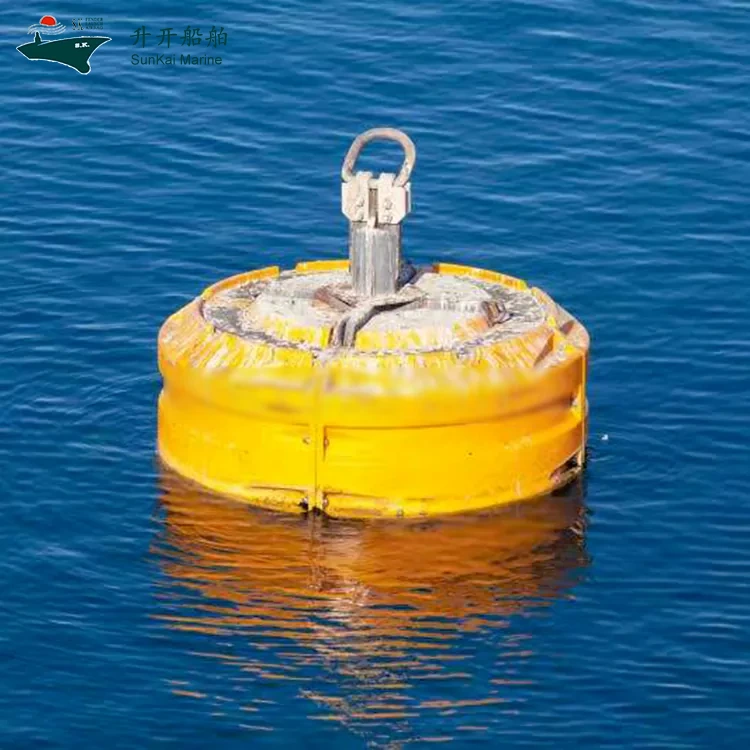
Marine buoys are floating devices anchored or positioned in water bodies to serve as navigational aids, mooring points, or data collection platforms. They are commonly found in oceans, seas, rivers, and harbors, providing visual, auditory, or electronic signals to vessels.

In maritime infrastructure, marine buoys play a vital role in ensuring safe navigation, reducing collision risks, and marking underwater hazards. Companies like SunKai focus on delivering reliable marine buoy systems that meet international maritime standards.


2. How Do Marine Buoys Work?

Marine buoys function by remaining afloat while being securely positioned through mooring systems. Their effectiveness depends on a combination of buoyancy, stability, visibility, and signaling technologies.

Core Working Principles

  • Buoyancy: Achieved through hollow structures or foam-filled bodies.
  • Mooring: Chains, ropes, or synthetic lines keep buoys in fixed positions.
  • Visibility: Bright colors, reflective tapes, and LED lights enhance detection.
  • Signaling: Bells, whistles, radar reflectors, or AIS transmit signals.

Together, these elements allow marine buoys to maintain consistent positioning and communicate critical navigational information to ships, day and night.


3. Key Types of Marine Buoys

Different maritime scenarios require different types of marine buoys. Below is a comparison table outlining common buoy categories and their applications.

Type of Marine Buoy Main Function Typical Application
Navigation Buoys Guide vessel routes Shipping lanes, ports
Mooring Buoys Secure vessels Harbors, offshore anchoring
Weather Buoys Collect ocean data Meteorology, research
Special Purpose Buoys Mark restricted areas Military, construction zones

4. Materials and Construction of Marine Buoys

Marine buoys must endure harsh marine environments, including UV exposure, saltwater corrosion, and strong wave impacts. Common materials include:

  • Steel: High strength, suitable for heavy-duty offshore buoys
  • Polyethylene (PE): Lightweight, corrosion-resistant
  • FRP (Fiber Reinforced Plastic): Excellent durability and low maintenance

Modern manufacturers such as SunKai integrate advanced coatings and modular designs to extend buoy lifespan and reduce maintenance costs.


5. Role of Marine Buoys in Offshore Operations

Beyond navigation, marine buoys are critical for offshore industries such as oil & gas, wind energy, and aquaculture.

Offshore Applications Include:

  1. Positioning floating platforms
  2. Marking subsea pipelines and cables
  3. Supporting dynamic positioning systems
  4. Monitoring environmental conditions

Reliable marine buoys improve operational safety and efficiency, especially in complex offshore environments.


6. Smart Marine Buoys and Technological Advancements

The evolution of smart marine buoys has transformed maritime operations. These buoys integrate sensors, GPS, and communication modules to provide real-time data.

  • Wave height and direction monitoring
  • Water temperature and salinity measurement
  • AIS and satellite communication

Smart buoys align with AI-driven analytics and remote monitoring platforms, supporting predictive maintenance and enhanced situational awareness.


7. Choosing the Right Marine Buoys

Selecting suitable marine buoys depends on several factors:

  • Water depth and seabed conditions
  • Environmental exposure
  • Required visibility and signaling
  • Compliance with IALA or IMO standards

Consulting experienced suppliers like SunKai ensures optimal buoy selection for long-term performance.


8. Maintenance and Lifecycle Management

Regular inspection and maintenance are essential to ensure buoy reliability. Key practices include:

  • Checking mooring integrity
  • Cleaning marine growth
  • Testing lighting and electronics
  • Replacing worn components

Proactive lifecycle management minimizes downtime and enhances maritime safety.


9. Frequently Asked Questions (FAQ)

Q1: How long do marine buoys typically last?

Depending on materials and maintenance, marine buoys can last 10–25 years or more.

Q2: Are marine buoys environmentally friendly?

Modern designs use recyclable materials and minimize ecological impact.

Q3: Can marine buoys operate in extreme weather?

Yes, offshore-grade marine buoys are engineered to withstand storms and high waves.

Q4: Do marine buoys require power sources?

Many use solar panels combined with battery systems for autonomous operation.


Conclusion

Marine buoys are fundamental to safe navigation, offshore operations, and marine data collection. As technology advances, smart marine buoys will continue to play a greater role in digital maritime infrastructure. Whether for ports, offshore platforms, or environmental monitoring, choosing high-quality marine buoy solutions from trusted partners like SunKai ensures safety, efficiency, and long-term value.

If you are looking for reliable, customized marine buoy solutions for your maritime or offshore projects, contact us today to learn how SunKai can support your operations with professional expertise and advanced marine technology.

Related News
Leave me a message
X
We use cookies to offer you a better browsing experience, analyze site traffic and personalize content. By using this site, you agree to our use of cookies. Privacy Policy
RejectAccept