A reliable Marine Airbag can help shipyards, marine contractors, and vessel owners reduce launching constraints, control project costs, improve on-site flexibility, and simplify heavy-duty operations where fixed infrastructure is limited. This article explains the practical value of marine airbags, the problems they solve, how to choose the right specification, what operational risks buyers should pay attention to, and why many marine projects now prefer inflatable launching and lifting systems over more rigid traditional methods.
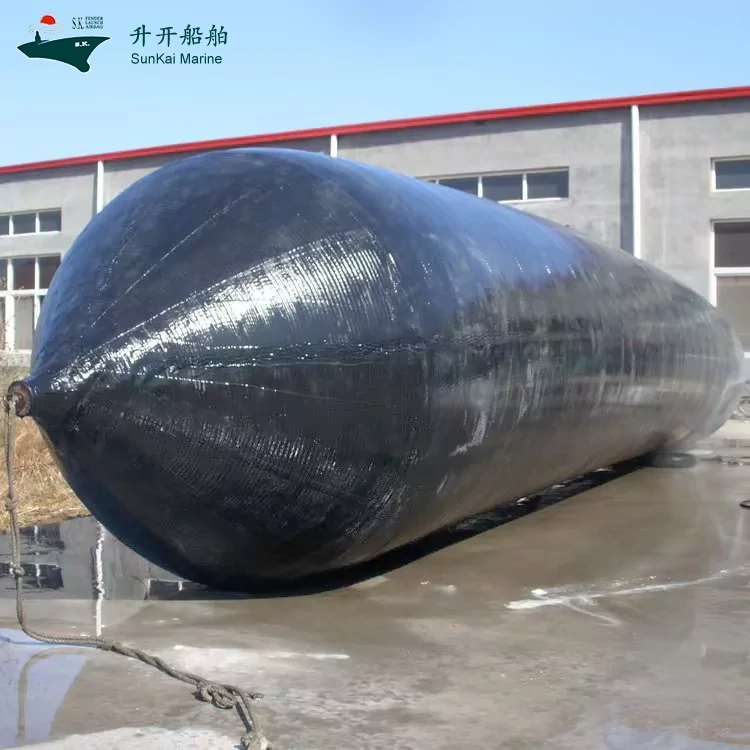
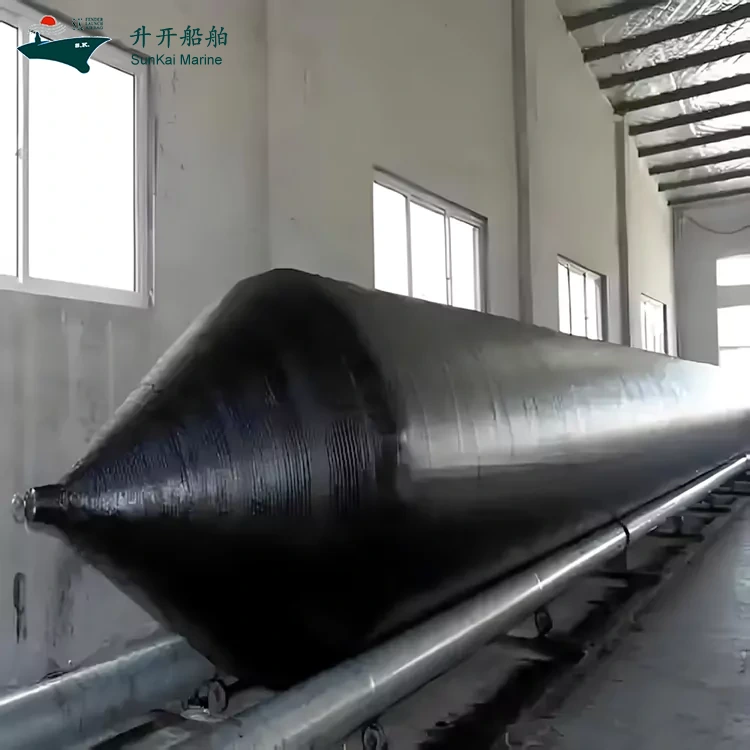
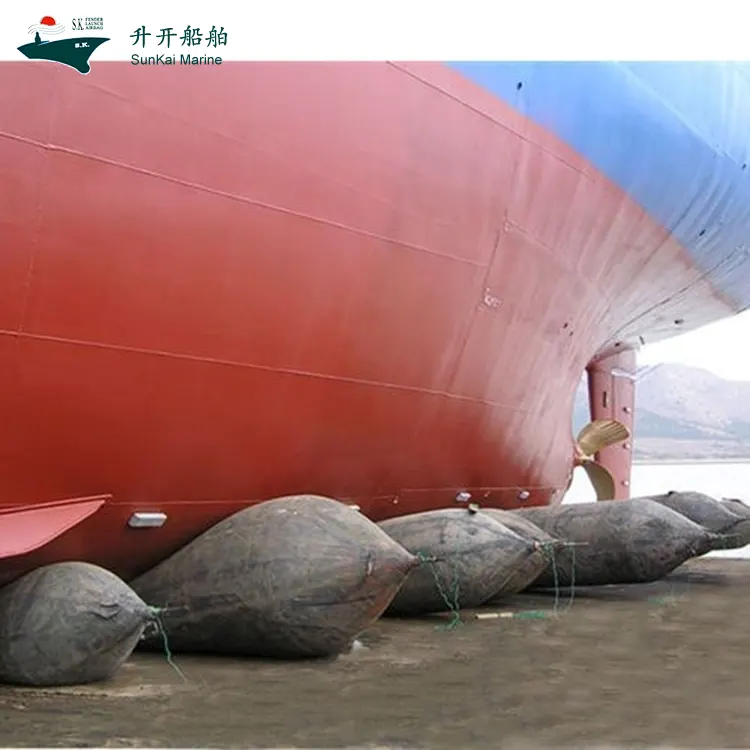
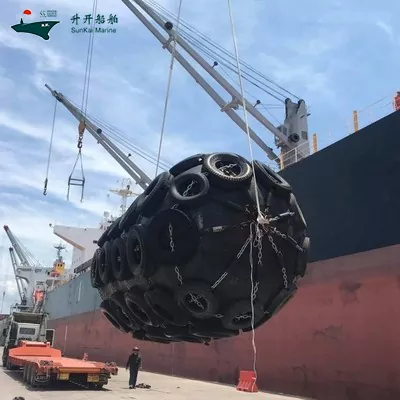
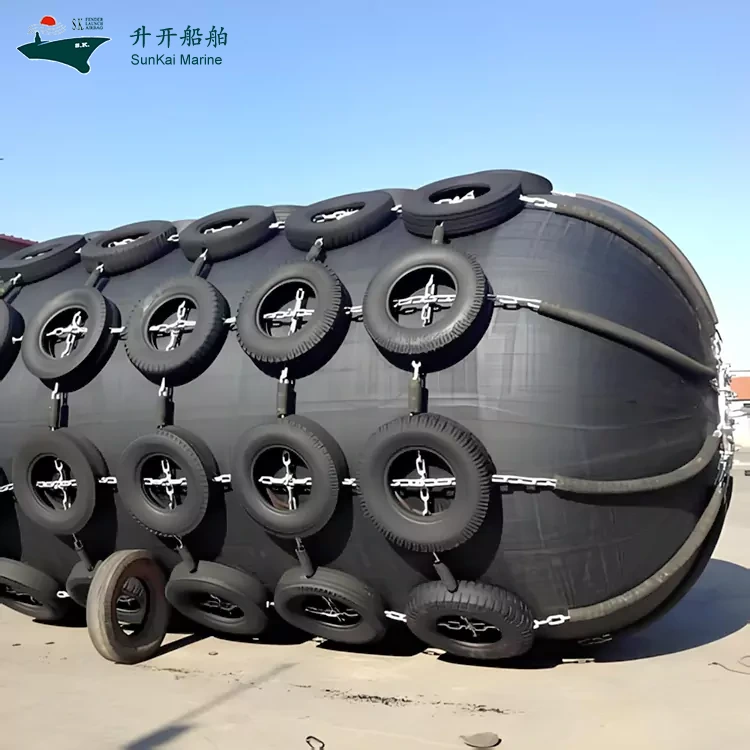
A Marine Airbag is a heavy-duty inflatable rubber cylinder designed to bear load, absorb pressure, and create rolling or buoyant support during marine operations. In real project conditions, it is often used to launch vessels, move hull sections, support landing operations, assist heavy lifting arrangements, and improve handling efficiency when permanent launching infrastructure is unavailable or too expensive.
For many buyers, the real question is not what a marine airbag is in theory, but what problem it removes in practice. The answer is simple: it gives operators a flexible way to move or launch large structures without depending entirely on a fixed slipway, dry dock schedule, or costly steel-rail installation. That matters when project sites vary, budgets are tight, or the construction environment changes faster than conventional infrastructure can adapt.
In other words, a Marine Airbag is valuable because it reduces dependency. It gives shipyards and marine contractors more control over timing, site planning, and operational cost. That is exactly why demand remains strong in vessel launching, barge handling, caisson movement, and other marine engineering tasks.
Customers looking for launching or lifting equipment are usually not shopping for a product alone. They are trying to solve a chain of operational headaches. Traditional methods can work well, but they also introduce several recurring pain points:
This is where a Marine Airbag becomes attractive. It offers a more adaptable solution that can be scaled according to hull size, project frequency, and site conditions. Instead of forcing the project to fit the infrastructure, the equipment adapts to the project.
The strongest selling point of a Marine Airbag is not just load-bearing capability. It is the combination of flexibility, efficiency, and operational convenience. Buyers want equipment that works in the real world, not only on paper. Marine airbags answer that need in several ways.
Another reason customers appreciate marine airbags is that they help simplify project logistics. A yard does not always need to overbuild its launching facility just to serve occasional or medium-scale projects. A well-planned Marine Airbag arrangement can support productivity while keeping the operation more agile.
This practicality is especially important for contractors working across multiple locations. If your jobsite changes from one project to the next, flexible equipment immediately becomes more valuable than fixed systems that are expensive to relocate or reproduce.
Many buyers first encounter the term Marine Airbag while researching ship launching. But the application scope is wider than that. When designed and selected correctly, marine airbags can support many kinds of marine and heavy-duty handling work.
| Application Scenario | Main Operational Goal | Why Marine Airbag Is Useful |
|---|---|---|
| Ship launching | Move vessel safely from construction area to water | Provides rolling support and reduces dependence on permanent launching systems |
| Ship landing or hauling | Bring vessel ashore for repair or maintenance | Helps manage movement and support during landing operations |
| Heavy structure transfer | Relocate large fabricated sections or marine blocks | Offers controllable, distributed support under heavy loads |
| Marine salvage support | Assist lifting, repositioning, or buoyancy-related work | Can be integrated into practical recovery plans when conditions permit |
| Temporary engineering operations | Handle short-term movement tasks without fixed equipment | Improves site flexibility and can reduce setup complexity |
This broader utility matters to customers because it improves return on investment. If the same Marine Airbag inventory can support launching today and heavy transfer work later, the purchase becomes easier to justify.
That is one reason why suppliers with real manufacturing experience matter. A capable partner should not only sell product dimensions, but also understand usage logic. Qingdao SunKai Marine Supplies Co., Ltd. is one of the companies active in this field, and buyers often look for suppliers that can support practical specification discussions rather than just provide a standard quotation.
Choosing a Marine Airbag is not something you do by diameter alone. Buyers who only compare price often create bigger problems later, including underperformance, shortened service life, or unsafe operations. A better purchasing approach is to focus on real project conditions.
Before ordering, buyers should review the following:
A serious buyer should also ask direct questions: How is the rubber compound selected? What is the reinforcement design? What inspection standards are followed? What usage guidance is provided? A dependable supplier should answer these questions clearly and without vague promises.
Customers often hesitate between established launching structures and airbag-based systems. The right choice depends on project type, but a comparison helps clarify where a Marine Airbag offers practical advantages.
| Factor | Marine Airbag | Traditional Fixed Launching Method |
|---|---|---|
| Site flexibility | High, especially for variable project environments | Lower, depends on fixed infrastructure |
| Initial infrastructure demand | Usually lower | Usually higher |
| Adaptability to different hulls | Good with proper planning and arrangement | May require more rigid setup adjustments |
| Mobility | Easy to store and relocate when deflated | Infrastructure is location-bound |
| Project startup speed | Often faster once planning is complete | Can involve longer construction and preparation |
None of this means fixed systems are obsolete. It means a Marine Airbag can be the smarter option when flexibility, project turnaround, and controlled cost matter more than permanent heavy infrastructure. For many yards, that is exactly the decision point.
Buyers do not only care about purchase price. They care about how long the product stays reliable. A Marine Airbag performs best when maintenance is built into normal operations rather than treated as an afterthought.
A disciplined maintenance routine protects more than the product. It protects schedule stability. It protects safety. And it protects the buyer from hidden replacement cost that often comes from avoidable misuse.
The strongest operational results usually come from a combination of the right specification, proper planning, and consistent care. That may sound obvious, but it is exactly where many projects either stay smooth or become expensive.
1. What is the main advantage of a Marine Airbag for shipyards?
The main advantage is flexibility. A Marine Airbag allows yards to handle launching or movement tasks without relying entirely on fixed launching structures. That can improve project adaptability and help control setup costs.
2. Can a Marine Airbag be used only for ship launching?
No. Depending on the specification and project plan, a Marine Airbag can also support ship landing, heavy structure transfer, certain lifting arrangements, and other marine engineering tasks.
3. What should buyers check before placing an order?
Buyers should review vessel weight, dimensions, operating conditions, pressure requirements, quantity planning, material quality, and supplier support capability. Price alone is not a safe basis for selection.
4. Is Marine Airbag equipment suitable for smaller shipyards?
Yes, that is one reason it is popular. Smaller or growing yards often prefer Marine Airbag systems because they can reduce dependence on major permanent infrastructure while still supporting practical launching operations.
5. How can service life be improved?
Proper inflation control, clean working surfaces, regular inspection, careful storage, and trained operation all help extend service life. Good maintenance protects both performance and cost efficiency.
A well-chosen Marine Airbag is more than a marine accessory. It is a practical project solution for customers who need safer handling, greater flexibility, and a more efficient path through launching and heavy-duty marine operations. When site conditions, budget limits, and operational timelines all matter at once, adaptable equipment becomes a strategic advantage rather than a simple purchase.
If you are evaluating the right solution for ship launching, landing, or marine heavy handling, working with an experienced supplier can make the entire process clearer and more reliable. For tailored product support, specification guidance, and a solution that matches your real project conditions, contact us and explore how Qingdao SunKai Marine Supplies Co., Ltd. can support your next marine operation.
Phone: +86-15853213129
Mobile: +86-15908962397
Address:No. 869, Yanqing Road, Tongji Street, Jimo District, Qingdao City, Shandong Province, China
Copyright © 2025 Qingdao SunKai Marine Supplies Co., Ltd. All Rights Reserved.