Follow Us:

News

What Makes Inflatable Rubber Airbags Essential for Modern Ship Launching

2026-03-02 0 Leave me a message

Article Summary: Inflatable rubber airbags have rapidly become a cornerstone technology in the maritime industry, offering cost‑effective, flexible, and safe solutions for ship launching, hauling, docking, and salvage operations. This article explores what inflatable rubber airbags are, how they work, their advantages, technical specifications, real‑world applications, selection tips, maintenance guidelines, and answers to common FAQs — all to help marine engineers, shipyard managers, and procurement teams make informed decisions. Along the way, we reference industry standards, use cases, and why companies like SunKai have become reputable suppliers of high‑quality inflatable rubber airbags.

Inflatable Rubber Airbags

Table of Contents


What Are Inflatable Rubber Airbags?

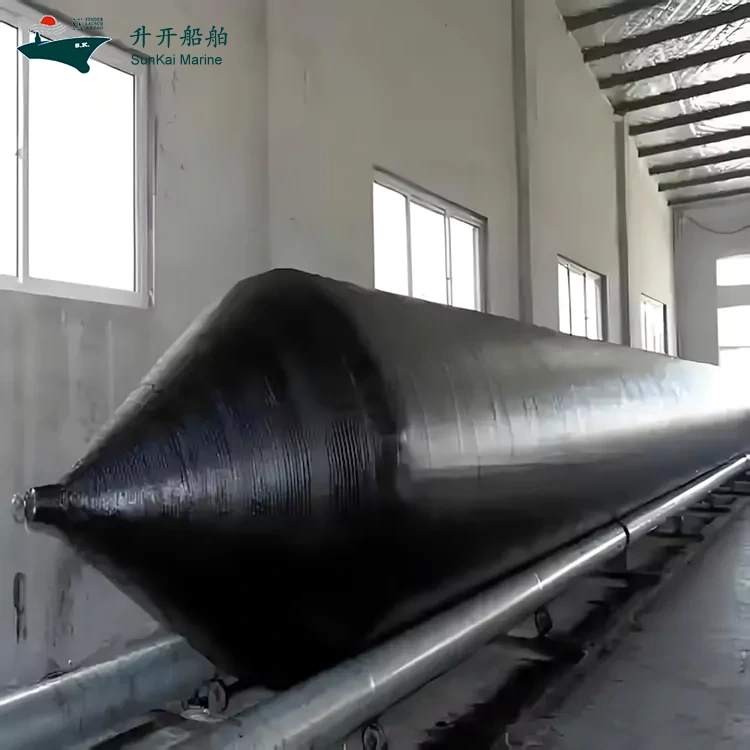
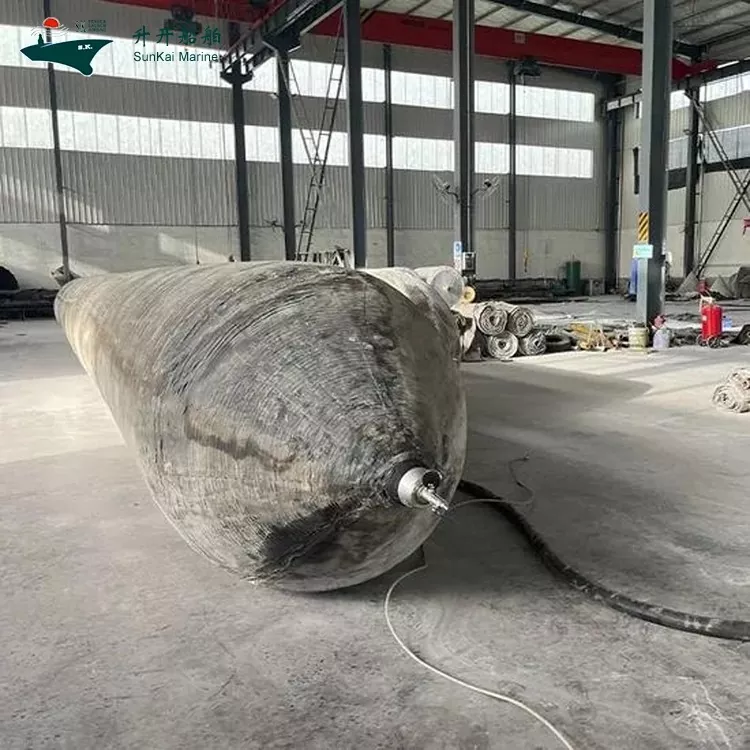
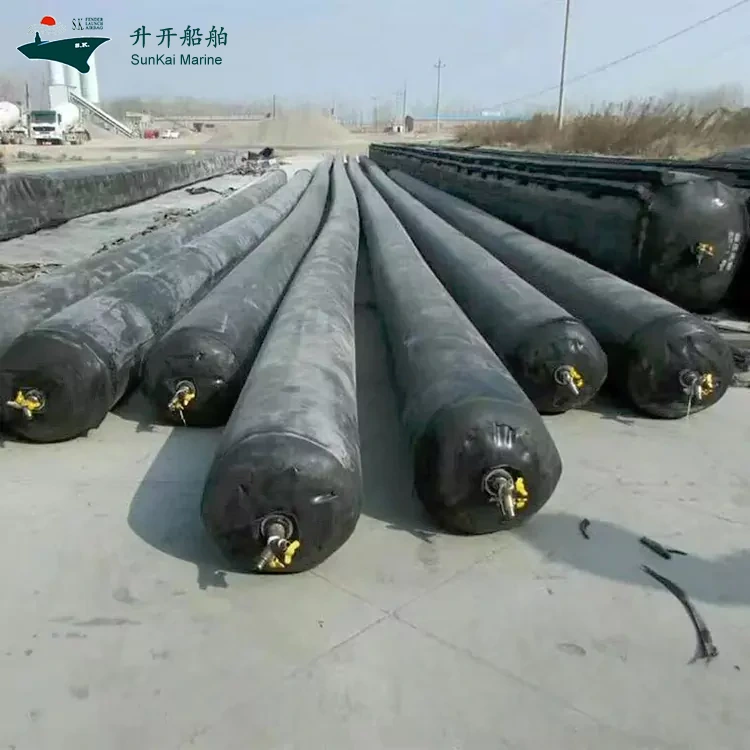
Inflatable rubber airbags, also known as marine airbags or ship launching airbags, are cylindrical buoyant devices made of natural rubber and reinforced cord fabric. They were developed as an alternative to traditional slipway or dry dock systems for moving, launching, and lifting heavy vessels and structures.

These airbags are engineered to distribute fluid pressure evenly, resulting in smooth motion with minimal stress on ship hulls and structures. Their design flexibility allows for customization in diameter, length, and load capacity depending on project needs.


How Do They Work?

Inflatable rubber airbags operate on a basic but powerful principle — controlled air pressure and buoyancy. When placed beneath a vessel and inflated:

  • The airbags lift the ship gently by generating buoyant force.
  • As inflation increases, the vessel begins to move or roll in the intended direction (such as into water for launching or ashore for docking).
  • The cylindrical shape distributes force evenly and reduces friction, enabling smoother operations compared to rigid systems.

In marine salvage scenarios, airbags may be placed under a grounded or sunken vessel to increase buoyancy, helping refloat and reposition the vessel.


Key Advantages of Inflatable Rubber Airbags

  • Cost‑effectiveness: They provide an economical alternative to dry docks and slipway installations, saving significant upfront capital expenses.
  • Flexibility and Portability: Their lightweight, roll‑up design makes them easy to transport, deploy, and reuse.
  • Safety: Controlled inflation minimizes risk during vessel movement, reducing chances of hull damage.
  • Environmental Benefits: Unlike fixed infrastructure, they leave no permanent footprint on launch sites, reducing ecological impact.
  • High Load Capacity: Modern airbags can handle extremely heavy vessels and offshore structures.

Typical Technical Specifications

Different manufacturers offer variations, but most inflatable rubber airbags share the following common specifications:

Specification Description
Material Natural Rubber with Cord Reinforcement
Diameter 0.5 m – 3 m (or customized)
Length 3 m – 28 m (or customized)
Layers 5 – 12 ply reinforcement
Working Pressure 0.05 MPa – 0.25 MPa (varies with size)
Certifications ISO14409:2011, CCS, BV, ABS, DNV (common industry standards)

These parameters influence the load‑bearing capacity and operational suitability in different maritime conditions.


Major Applications of Inflatable Rubber Airbags

Inflatable rubber airbags have several real‑world use cases across maritime operations:

  1. Ship Launching: The most common application; replacing traditional heavy launch systems.
  2. Ship Docking & Dry Docking Assistance: Used to haul ships ashore or out of water.
  3. Marine Salvage: Refloat grounded or sunken vessels using buoyancy.
  4. Heavy Lifting & Transport: Lifting or rolling large marine structures on land.
  5. Offshore Construction: Assisting with pontoons, platforms, and drilling components.

Because of their versatility, inflatable airbags are now preferred in shipyards, repair docks, and coastal facilities worldwide.


How to Choose the Right Inflatable Airbag?

Selecting the right inflatable rubber airbag depends on several factors:

  • Vessel Weight & Size: Heavier ships require higher capacity airbags with greater diameter and reinforcement layers.
  • Water Depth & Launch Conditions: Shallow water or constrained sites may need specialized deployment strategies.
  • Certifications & Standards: Ensure airbags comply with ISO14409 and relevant maritime authority standards for safety and performance.
  • Customization & Accessories: Some projects benefit from custom lengths, fittings, or pressure gauges.

Professional consultation with suppliers like SunKai can streamline selection based on project requirements.


Installation & Maintenance Tips

Proper installation and maintenance ensure the longevity of inflatable rubber airbags:

  • Pre‑Use Inspection: Check for visible damage or weakness in the rubber and seams before inflation.
  • Controlled Inflation: Inflate gradually and monitor pressure levels to avoid over‑stress.
  • Storage: After use, clean and dry airbags, store in a cool, ventilated area away from solvents.
  • Avoid Direct Heat or Chemicals: Protect airbags from prolonged sun exposure and harsh chemicals that can accelerate aging.

Frequently Asked Questions

1. Are inflatable rubber airbags safe for heavy ships?

Yes — When designed and deployed correctly with proper certification and pressure management, airbags can safely handle extremely heavy vessels and offshore structures.

2. How long do inflatable rubber airbags last?

With proper use and maintenance, inflatable rubber airbags can have a service life exceeding 8–10 years.

3. Can they replace dry docks entirely?

For many medium‑sized shipyards and projects, airbags offer a viable alternative to dry docks, though very large shipyards continue to use both methods in tandem.

4. Do they require special training to use?

Basic training on inflation and positioning is recommended, but they are generally easier to deploy than traditional infrastructure.

5. Where can I get high‑quality inflatable rubber airbags?

Leading suppliers such as SunKai provide customized solutions, competitive pricing, and global support for marine airbags and related products.


Whether you’re a shipyard manager, marine engineer, or procurement professional, inflatable rubber airbags deserve consideration for safer, more cost‑effective ship launching and lifting projects. For high‑quality products, professional guidance, and flexible customization options — contact us at SunKai today and get tailored solutions for your maritime needs!

Related News
Leave me a message
X
We use cookies to offer you a better browsing experience, analyze site traffic and personalize content. By using this site, you agree to our use of cookies. Privacy Policy
RejectAccept