Follow Us:

Products
Ship Rolling Inflatable Airbag
  • Ship Rolling Inflatable AirbagShip Rolling Inflatable Airbag
  • Ship Rolling Inflatable AirbagShip Rolling Inflatable Airbag
  • Ship Rolling Inflatable AirbagShip Rolling Inflatable Airbag
  • Ship Rolling Inflatable AirbagShip Rolling Inflatable Airbag
  • Ship Rolling Inflatable AirbagShip Rolling Inflatable Airbag

Ship Rolling Inflatable Airbag

Qingdao Shengkai Marine Supplies Co., Ltd. specializes in supplying rolling inflatable safety airbags for ships. These airbags are made with high-strength synthetic cord reinforcement and utilize a cylindrical rolling principle. They are suitable for both launching and launching of ships. Shipyards are welcome to inquire and purchase.
Rating: 5.0
(Rating Count: 1)

Qingdao Shengkai Marine Supplies Co., Ltd. directly sells marine rolling inflatable airbags with a rolling friction coefficient as low as 0.05, strong load-bearing capacity, and suitable for launching operations of various types of ships. Welcome to call for orders.

What is a ship's rolling inflatable airbag?

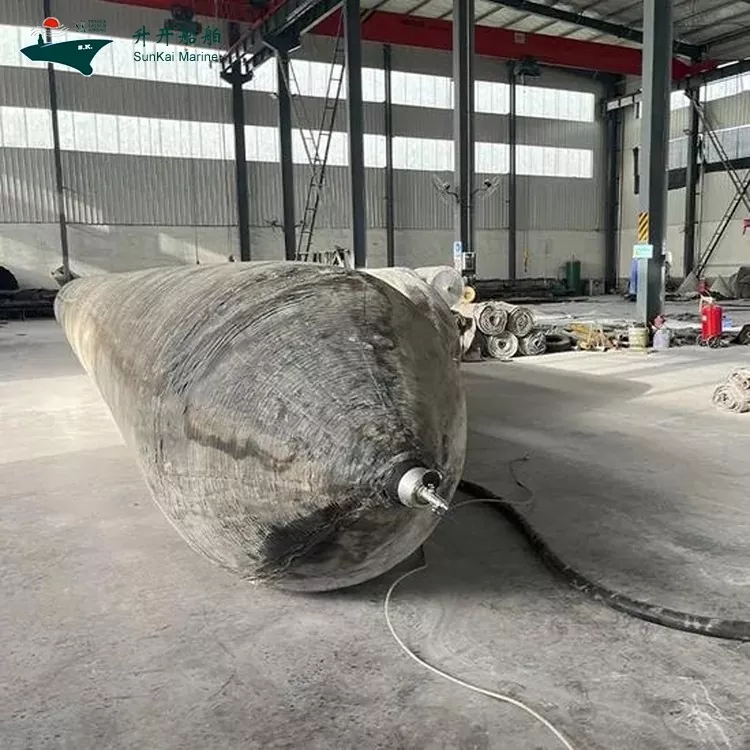
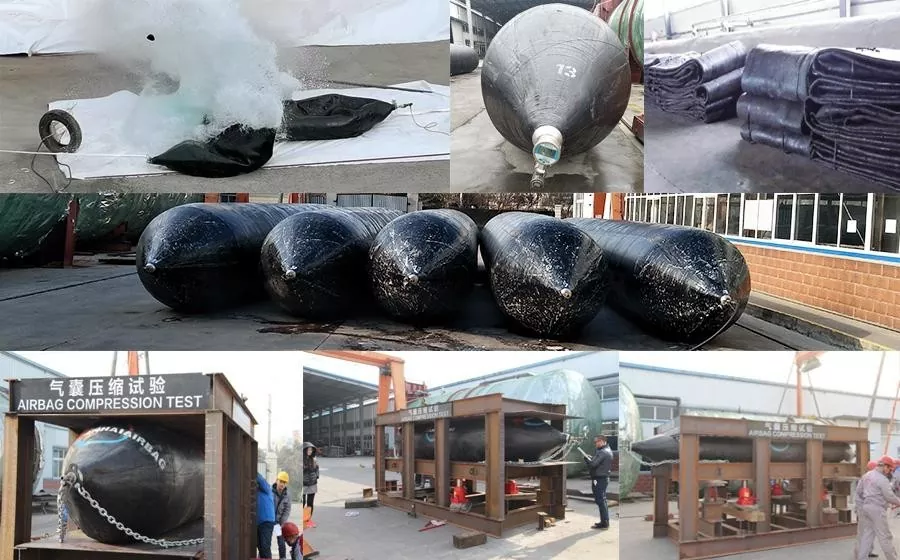
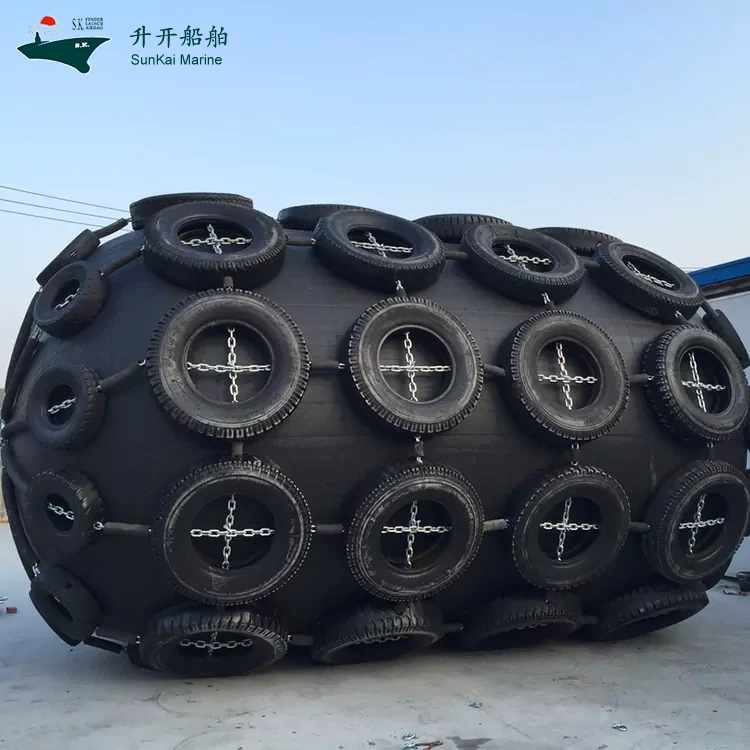
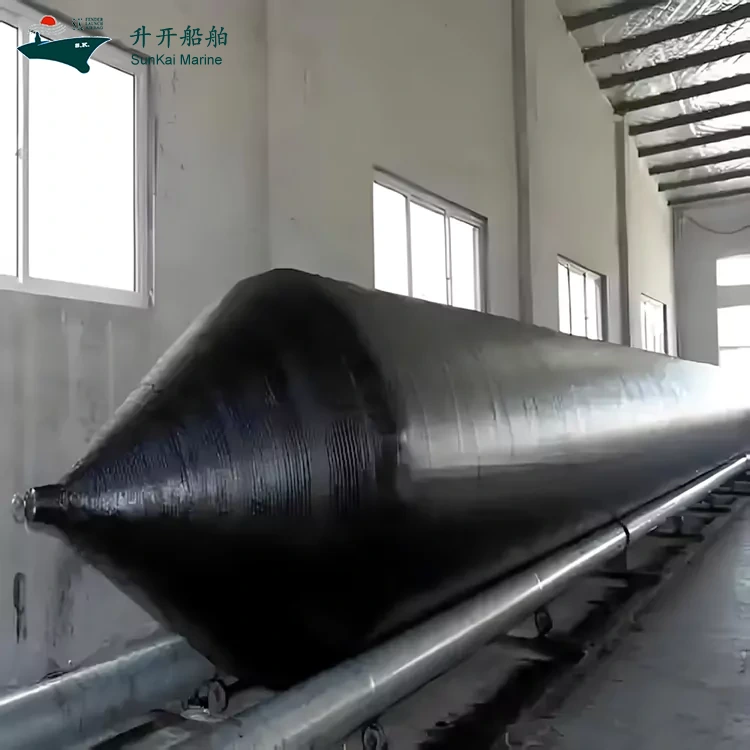
A ship rolling inflatable airbag is a cylindrical, flexible inflatable container with a high-strength synthetic fiber cord as its skeleton and inner and outer rubber layers. Manufactured by Qingdao Shengkai Marine Supplies Co., Ltd., this product is formed using an integral vulcanization process. It features conical end caps with metal nozzles and safety valves. During operation, compressed air is injected to form a rigid cylinder, utilizing air compression and deformation to absorb energy or generate buoyancy.

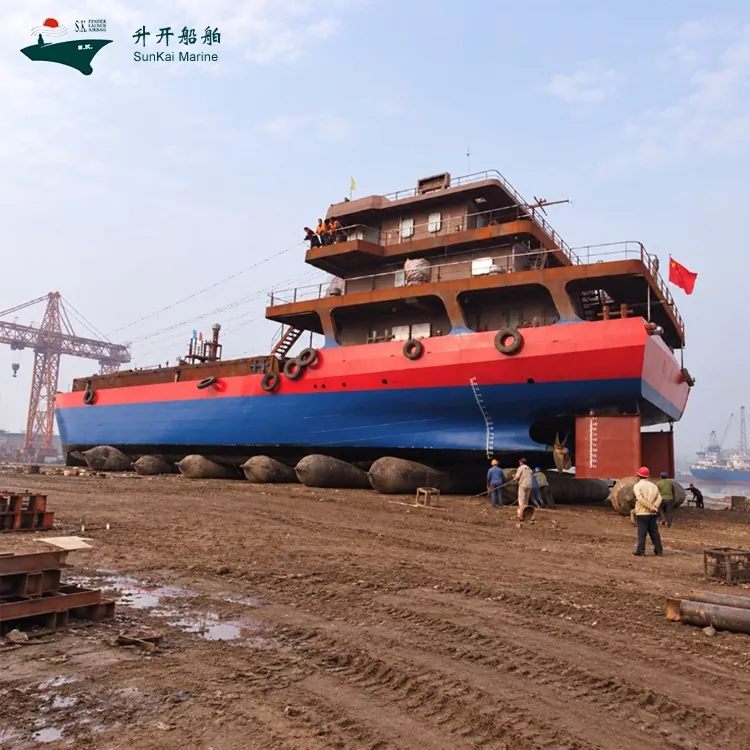
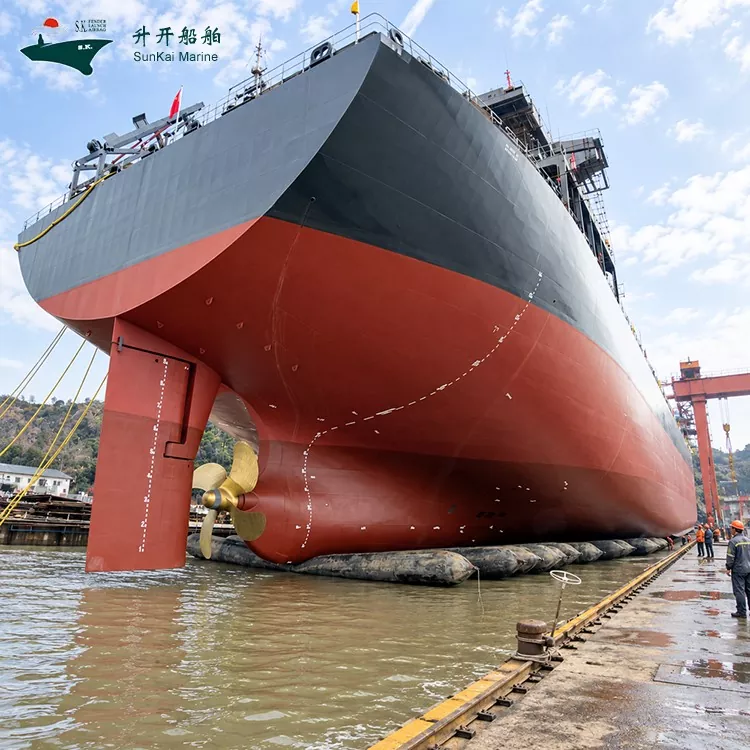
This product is widely used in ship launching, ship movement, shipwreck salvage, underwater engineering lifting, and heavy cargo handling. Compared with traditional methods such as slipway launching, floating docks, and floating cranes, it has significant advantages such as lower investment, flexible construction, no terrain restrictions, and reusability. It is a shipbuilding engineering technology pioneered in China and widely recognized internationally.

Qingdao Shengkai Marine Supplies Co., Ltd. manufactures its marine rolling inflatable airbags in strict accordance with ISO 14409:2011 and CB/T 3795 standards. The products range in diameter from 1.0m to 2.5m, effective length from 10m to 24m, number of layers from 4 to 10, and working pressure from 0.07 to 0.18MPa. Special specifications can be customized according to customer needs.

Working Principle

The core working principle of marine airbags is the "cylinder rolling principle" and the "air spring effect". When the airbag is filled with compressed air, the internal air pressure causes the rubber cylinder to expand and form a rigid body that is approximately cylindrical, which can withstand huge radial loads.

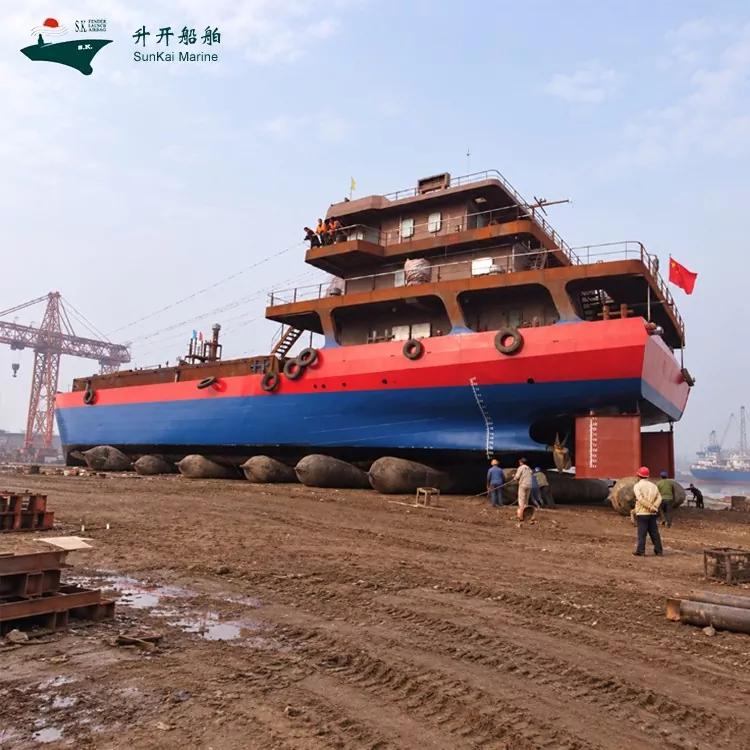
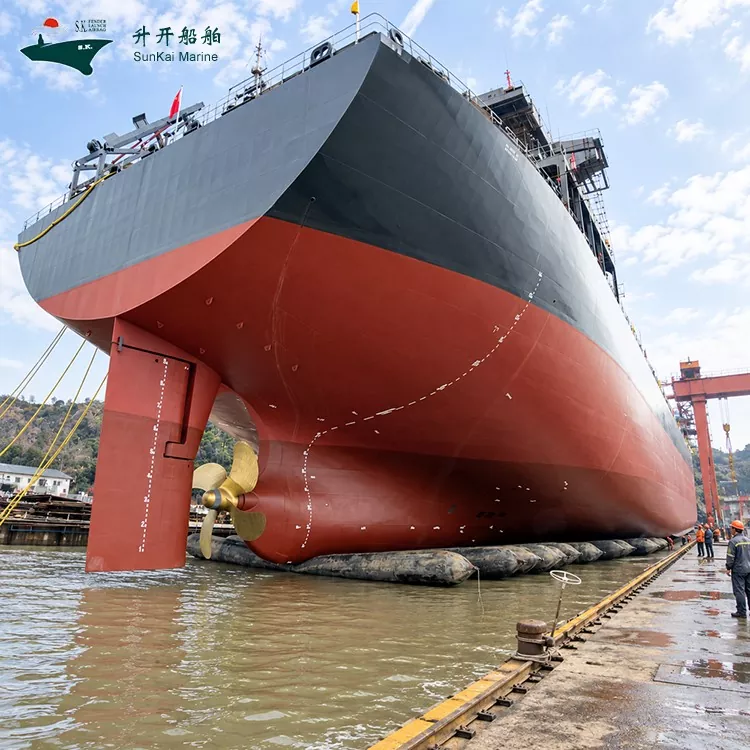
In ship launching/moving applications, airbags are placed between the hull and the ground, and the ship's weight is transferred to the ground through the airbags. When the ship is towed, the airbags continuously roll between the hull and the ground—the front end deforms under pressure and presses against the ground, while the rear end expands again as the ship leaves the ground, thus completing the cycle. This rolling friction has a coefficient of friction typically below 0.05, requiring only 2%-5% of the ship's weight in traction force to move ships weighing thousands of tons.

In salvage/lifting applications, airbags inflate underwater, displacing water and generating buoyancy based on Archimedes' principle. A single airbag, 2.5m in diameter and 24m long, can generate over 200 tons of net buoyancy when fully inflated. By controlling the inflation volume and sequence of each airbag, the rising attitude and speed of the object being lifted can be precisely adjusted.

The load-bearing capacity of an airbag is determined by both its internal air pressure and contact area. Higher operating pressure and larger diameter result in greater load-bearing capacity. A multi-layered synthetic cord skeleton ensures the airbag does not rupture under high pressure, while the inner and outer rubber layers guarantee airtightness and abrasion resistance, respectively.


Product Advantages

(1) Strong load-bearing capacity: Multi-layer high-strength synthetic cord reinforcement, a single airbag can bear hundreds of tons of weight, and the maximum load of a 2.5m diameter airbag exceeds 500 tons.

(2) Low rolling friction coefficient: Based on the principle of cylindrical rolling, the friction coefficient is less than 0.05, and the traction force for moving the ship is only 2%-5% of the ship's weight, which greatly reduces energy consumption.

(3) Flexible and unrestricted construction: No need to build a fixed slide or dock, it can be used on any bank slope, flat land, or shallow water area, adapting to various terrain conditions.

(4) Low investment cost: Compared with traditional slipway launching and floating dock, airbag launching can save more than 80% of infrastructure investment, which is especially suitable for small and medium-sized shipyards.

(5) Reusable: Made of high-quality natural rubber and synthetic cord, with a normal service life of 6-10 years, it can be repeatedly inflated and deflated, and folded for storage.

(6) Safe and reliable: Equipped with a safety valve and metal air nozzle, it undergoes a water pressure test at 1.5 times the working pressure and a 24-hour air tightness test before leaving the factory, and meets the ISO 14409 standard.

Specifications

Qingdao Shengkai Marine Supplies Co., Ltd. offers 22 standard specifications of marine rolling inflatable airbags, covering diameters of 1.0m-2.5m, effective lengths of 10m-24m, 4-10 layers, and working pressures of 0.07-0.18MPa, to meet the needs of different ships and projects. Specific specifications are shown in the table below:

Diameter (m)

Effective length (m)

number of floors

Work pressure (MPa)

1.0

10

5~6

0.07~0.10

1.0

12

5~6

0.07~0.10

1.0

15

5~6

0.07~0.10

1.2

10

5~6

0.08~0.12

1.2

12

5~6

0.08~0.12

1.2

15

5~6

0.08~0.12

1.5

12

5~8

0.08~0.16

1.5

15

5~8

0.08~0.16

1.5

18

5~8

0.08~0.16

1.5

20

4~8

0.08~0.16

1.5

24

5~8

0.08~0.16

1.8

12

5~8

0.08~0.15

1.8

15

5~8

0.08~0.15

1.8

18

5~8

0.08~0.15

1.8

20

5~8

0.08~0.15

1.8

24

5~8

0.08~0.15

2.0

18

6~10

0.08~0.18

2.0

20

6~10

0.08~0.18

2.0

24

6~10

0.08~0.18

2.5

18

7~10

0.07~0.13

2.5

20

7~10

0.07~0.13

2.5

twenty four

7~10

0.07~0.13


Application Areas

(1) Launching a ship: The newly built ship is smoothly moved into the water from the slipway or the bank slope. This method is applicable to various types of ships such as bulk carriers, container ships, tankers, barges, and engineering vessels.

(2) Ship loading and maintenance: Moving ships from the water to land for maintenance, upkeep and painting, without the need for a dry dock.

(3) Salvage and rescue of sunken ships: The mainstream solution in modern salvage engineering is to use underwater air to generate buoyancy and lift sunken ships or objects to the surface.

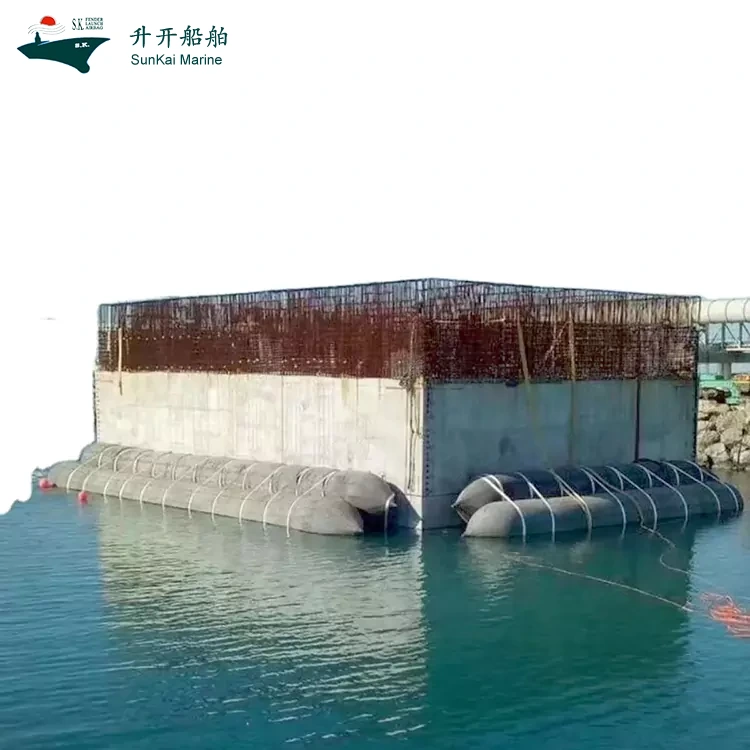
(4) Underwater engineering lifting: used for lifting and moving heavy objects in underwater engineering projects such as caisson floating, submarine pipeline laying, and offshore platform installation.

(5) Heavy cargo handling: Handling large steel structures, bridge sections, heavy equipment and other overweight objects in ports, shipyards, construction sites and other places.

(6) Emergency rescue: rapid deployment of emergency scenarios such as ship grounding and refloating, emergency fendering at the dock, and temporary floating bridge construction.

Production Process

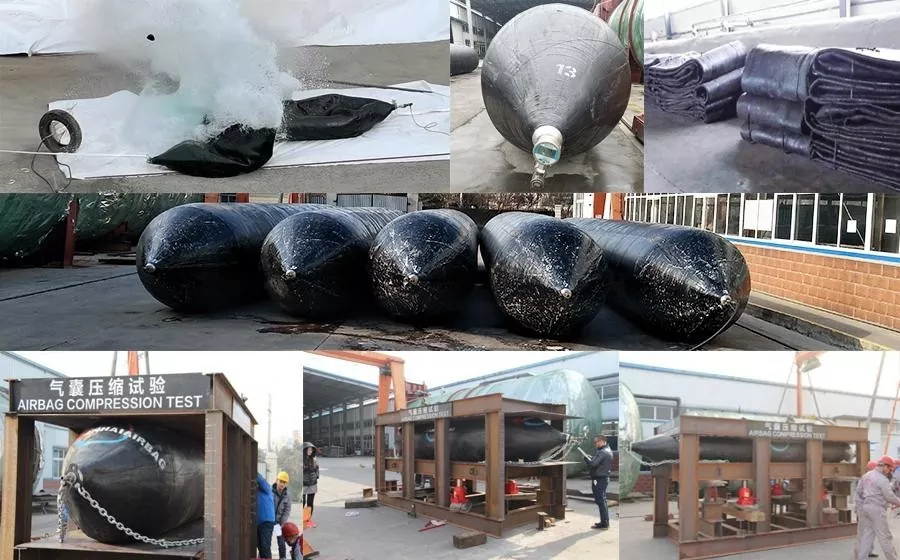
Qingdao Shengkai Marine Supplies Co., Ltd.'s marine airbag production adopts a strict process, going through more than ten processes from raw materials to finished products to ensure the quality and safety of each product.

Step 1: Raw material inspection. Natural rubber, synthetic rubber, and high-strength nylon/polyester cords undergo physical property testing upon arrival at the factory, including tensile strength, elongation at break, hardness, and aging performance. Only those that pass the tests can be put into use.

Step 2: Rubber compound mixing. According to the formula, natural rubber, synthetic rubber, carbon black, vulcanizing agent, accelerator, antioxidant, and other raw materials are mixed in a Banbury mixer. The mixing temperature and time are controlled to ensure uniform and stable rubber compound properties.

Step 3: Fabric cutting and adhesive application. The synthetic cord fabric is cut at the designed angle, and rubber is applied to both sides of the fabric using a calender to form an adhesive-coated fabric, which serves as the skeletal reinforcement layer of the airbag.

Step 4: Forming and winding. On the metal mold, the inner layer of adhesive, multiple layers of adhesive-backed fabric (4-10 layers depending on the specifications), and the outer layer of adhesive are wound in sequence. Each layer of fabric is wrapped crosswise to ensure even stress distribution. The conical end caps at both ends are formed in one piece using a special process.

Step 5: Vulcanization and curing. The molded airbag blank is sent into a vulcanizing tank and steam vulcanized under high temperature and high pressure. The vulcanization temperature is about 150-160℃, and the time is determined according to the specifications. This process allows the rubber molecules to cross-link and cure, forming a high-strength elastomer.

Step 6: Finished Product Inspection. After vulcanization, visual inspection, dimensional measurement, 24-hour airtightness test, and 1.5 times working pressure water pressure test are carried out. After passing the test, metal air nozzles and safety valves are installed, and a product certificate of conformity is issued.


Installation Manual

【Preparation before installation】

• Inspect the appearance of the airbags: Check each airbag for defects such as cuts, cracks, bulges, and bubbles on the surface. Measure the diameter and length to ensure they meet the specifications. Confirm that the metal nozzle and safety valve are intact.

• Check accessories: Verify that all accessories such as slings, shackles, air hoses, pressure gauges, and air compressors are complete and that their specifications match. Slings should be free of broken wires and wear, and shackles should be free of deformation and cracks.

• Prepare inflation equipment: Use an air compressor with an exhaust volume of not less than 0.5 m³/min, equipped with a precision pressure gauge with a range of 0-0.25 MPa (accuracy not less than 1.6 grade), and an inflation hose of sufficient length.

• Clean the work area: Remove sharp objects, gravel, metal shavings, oil, etc., from the area where the airbags will contact, ensuring the ground is flat and free of protrusions. Sharp protrusions on the surface of the sunken ship should be removed during underwater operations.

Inflation Procedure

1. Place the airbag flat on a level surface with the air nozzle facing upwards, unscrew the dust cap, and check if the valve core is functioning properly.

2. Connect the inflation hose to the air nozzle, and slowly open the air compressor valve to begin inflation. Do not inflate too quickly to avoid localized overheating of the rubber.

3. When the pressure reaches 50% of the rated pressure, stop inflation, check for leaks or abnormal deformation in all parts of the airbag, and adjust the position of the airbag.

4. After confirming there are no abnormalities, continue inflation while closely observing the pressure gauge reading until the rated working pressure is reached.

5. Close the air valve, remove the inflation hose, install the pressure gauge, let it stand for 30 minutes, and then check the pressure again. The pressure drop should not exceed 2% to be considered acceptable.

6. When the ambient temperature is below 5℃ or above 35℃, the inflation pressure should be adjusted according to the temperature to ensure that the pressure meets the rated value at the operating temperature.

[Launch/Movement Installation]

1. Arrange the inflated airbags perpendicular to the ship's axis at the designed spacing on the bottom of the ship, with a spacing of generally 1.5-2.5m, to ensure uniform force distribution.

2. Both ends of the airbag should extend at least 0.5m beyond the ship's side to prevent slippage during rolling.

3. Use a winch and wire rope to slowly move the ship, with an initial speed not exceeding 3m/min, and observe the rolling of the airbags.

4. During the vessel's movement, assign a dedicated person to observe the status of each airbag, and immediately stop operations if any abnormality is found.

5. After the ship enters the water, release the gas from each airbag one by one, recover the airbags, clean and dry them, and then store them.

[Salvage/Underwater Lifting and Installation]

• Divers secure the airbags underwater to the load-bearing structural points of the wreck or heavy object using specialized slings and shackles. The securing points should be strength-tested.

• The airbag sinks to a predetermined position in a folded or semi-inflated state and is inflated through a water surface air supply line or a high-pressure gas cylinder.

• Inflation should be carried out in stages and at multiple points simultaneously, controlling the floating speed to not exceed 1m/min, and adjusting the air pressure of each airbag at any time to maintain attitude balance.

• After the heavy object is lifted to the water surface, it is fixed in position with a tugboat or winch, and the gas in the airbag is gradually released to complete the unloading and recovery.

Maintenance and Care

Proper maintenance can significantly extend the lifespan of airbags and ensure safe use.

(1) After each use: Rinse the surface of the airbag thoroughly with fresh water to remove salt, mud and marine organisms. After drying, check for any damage. If there are minor cuts, repair them with rubber repair agent in time.

(2) Monthly inspection: Check the inflation pressure (it should be maintained at 50% of the rated pressure), check for aging cracks on the appearance, and check for rust and leakage on the metal nozzle and safety valve.

(3) Quarterly maintenance: Perform anti-corrosion treatment on metal fittings, check the wear of slings and connecting parts, and replace damaged parts.

(4) Annual inspection: Conduct a comprehensive visual inspection and dimensional measurement, perform a 24-hour airtightness pressure test, assess the degree of rubber aging, and establish maintenance records.

(5) Long-term storage: After cleaning and drying, fill with 50% of the rated pressure, lay flat in a cool, dry and ventilated warehouse, away from heat sources, oil stains and acid and alkali substances, and check the pressure and appearance every 3 months.

(6) Service life: Under normal use and maintenance conditions, the service life of marine airbags is 6-10 years. Airbags that have exceeded their service life or have serious aging or damage should be scrapped and replaced in time.


Industry Standards and Access Qualifications

Qingdao Shengkai Marine Supplies Co., Ltd.'s marine airbag products strictly adhere to international standards and industry specifications, and meet the following standards and qualification requirements throughout the entire process from design, materials, manufacturing to inspection:

International Standard

1. ISO 14409:2011: Marine and Ocean Technology—Airbags for launching and surface operations of ships. This standard specifies the terminology, classification, material requirements, structural design, performance requirements, test methods, inspection rules, and marking and packaging for marine airbags. Our company's products fully comply with this standard, including all requirements for material properties, dimensional tolerances (±3%), airtightness (pressure drop ≤5% in 1 hour), hydrostatic testing (1.5 times working pressure), and burst pressure (≥3 times working pressure).

2. ISO 9001:2015: Quality Management System Certification. The company has passed ISO 9001 quality management system certification, establishing a comprehensive quality management system covering raw material procurement, production process control, finished product inspection, and after-sales service.

3. CB/T 3795-1996: Airbags for Launching and Discharging Ships. This Chinese shipbuilding industry standard specifies the technical requirements and test methods for the launching and discharging of ship airbags, and serves as the basic basis for the manufacture and use of marine airbags in China.

4. CB/T 3837: Process Requirements for Launching and Discharging Ships Using Airbags. This standard specifies the process flow, safety requirements, and acceptance criteria for launching and discharging ships using airbags.

Classification Society Certification and Access Qualifications

• CCS (China Classification Society): You can apply for CCS product inspection. Surveyors will review material certificates, manufacturing processes, and factory tests on-site. Upon successful inspection, a CCS certificate will be issued. CCS certificates are widely recognized in domestic ports and shipyards.

• BV (British Classification Society): An internationally renowned classification society whose certificates are widely recognized globally. We can apply for BV product type approvals and single-vessel product inspections, meeting the certification requirements of customers in Europe, the Middle East, Africa, and other regions.

• ABS (American Bureau of Shipping): Certificates are widely recognized in the Americas, especially for products exported to the United States, Canada, South America, and other regions. ABS product inspection and certification can be applied for.

• DNV (Det Norske Veritas): A leading global classification society with extremely high authority in the offshore engineering field. DNV certificates are particularly suitable for airbag procurement in projects such as offshore platforms and marine engineering.

• LR (Lloyd's Register): The world's oldest classification society, whose certificates are widely recognized in Commonwealth countries and Europe.

• NK (Japan Classification Society): The certificate is widely recognized in Japan and Southeast Asia, and is especially suitable for products exported to Japan, South Korea and Southeast Asia.

[Quality Commitment]

Our company promises that all products meet the requirements of ISO 14409 standards. Each airbag undergoes rigorous airtightness and pressure testing, hydrostatic testing, and dimensional inspection before leaving the factory, and a product certificate and inspection report are issued. Third-party inspection and classification society certification can be provided upon customer request. The product warranty period is 12 months, during which time free repair or replacement will be provided for damage caused by manufacturing defects.

Frequently Asked Questions (FAQ)

Q1: What is the lifespan of marine airbags?

A: Under normal use and maintenance conditions, marine airbags have a service life of 6-10 years. Actual lifespan depends on usage frequency, operating environment, and maintenance conditions. Regular inspections and proper maintenance can effectively extend their service life.

Q2: How to choose the right airbag size?

A: The required buoyancy depends on the vessel's weight, hull shape, and type of operation. General principle: the heavier the vessel, the larger the diameter and the more airbags needed; the total buoyancy for salvage operations should be 1.2-1.5 times the underwater weight of the sunken vessel. Our company can provide professional selection and calculation services.

Q3: Can an airbag be repaired if it leaks air?

A: Minor cuts (depth not exceeding the thickness of the outer rubber layer) can be repaired on-site with a special rubber repair agent; deep cuts or penetrating damage require professional repair at the factory, and air tightness and water pressure tests must be performed again after repair.

Q4: Can airbags be used in low-temperature environments?

A: Yes. Our airbags use a low-temperature resistant rubber formula and can be used in environments ranging from -30℃ to +60℃. The inflation pressure should be adjusted appropriately in low-temperature environments to avoid abnormal pressure due to temperature changes.

Q5: How much weight can an airbag support?

A: The load-bearing capacity depends on the diameter, working pressure, and number of layers. Taking a 1.5m diameter, 0.15MPa, 8-layer airbag as an example, the load-bearing capacity per unit length is approximately 15 tons/m, and a 15m long airbag can bear a total load of approximately 225 tons. A single 2.5m diameter high-pressure airbag can bear a load exceeding 500 tons.

Q6: What is the delivery time? Can it be customized?

A: Standard specifications are in ample stock and will be shipped within 5-10 business days; custom specifications will be shipped within 15-25 business days. Customization of parameters such as diameter, length, number of layers, and working pressure is supported, and colors and markings can also be customized according to customer needs.


Send Inquiry
Contact Info
Send your inquiry to SunKai now! Get a quick quote for our quality Marine Airbag, Marine Fender, Marine Buoys. Our China team offers professional support.
Rating:
5.0
X
We use cookies to offer you a better browsing experience, analyze site traffic and personalize content. By using this site, you agree to our use of cookies. Privacy Policy
RejectAccept