Follow Us:

News

What Makes Ship Launching Safety Airbags the Most Reliable Choice for Marine Vessel Launching?

2025-12-02 0 Leave me a message

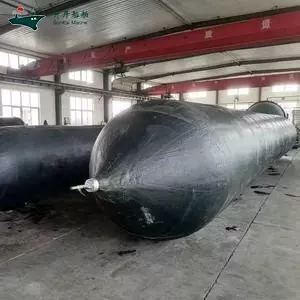
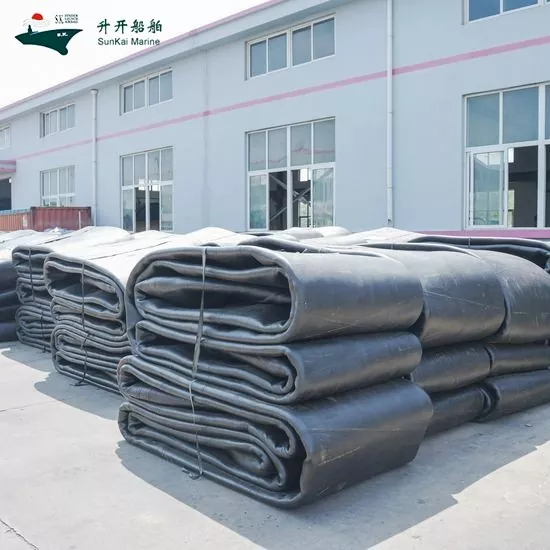
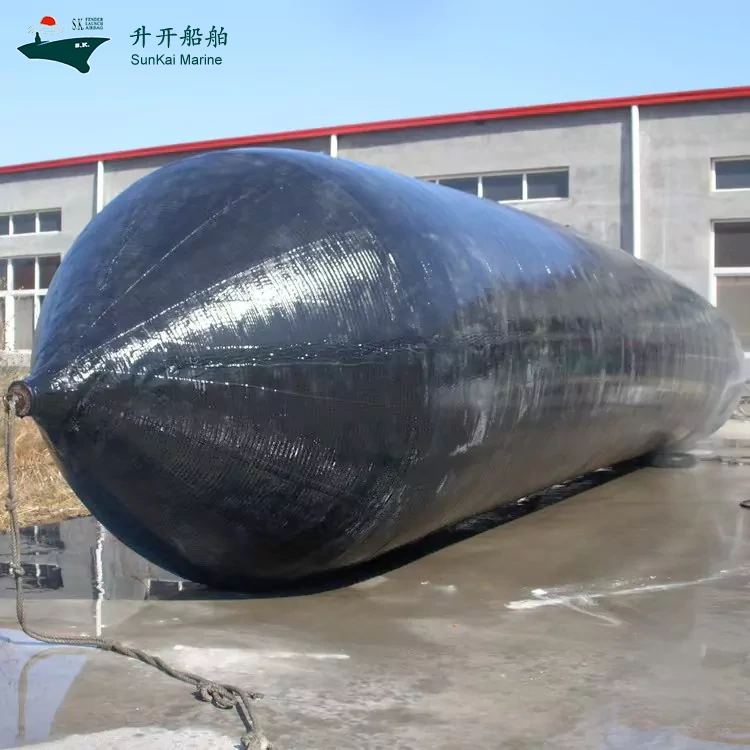
When it comes to modern marine engineering, Ship Launching Safety Airbags have become one of the safest, most efficient, and most cost-effective solutions for launching vessels of various tonnages. Their flexibility, high load-bearing capacity, and excellent shock-absorbing performance make them ideal for shipyards seeking safer and faster operations. As a supplier specializing in marine equipment, Qingdao SunKai Marine Supplies Co., Ltd. provides high-quality, high-pressure Ship Launching Safety Airbags that meet global standards and deliver reliable launching performance.

 Ship Launching Safety Airbags


Why Are Ship Launching Safety Airbags Important for Modern Shipyards?

Ship Launching Safety Airbags provide a safe rolling and lifting mechanism that replaces traditional launch rails. Their importance lies in:

  • Reducing infrastructure costs

  • Enhancing project flexibility

  • Improving safety during movement and launching

  • Adapting to vessels of different sizes and weights

  • Offering reusable and long-lasting performance

For shipyards handling new vessels, repairs, or dry-dock projects, airbags significantly minimize risk and increase efficiency.


How Do Ship Launching Safety Airbags Work During Vessel Launching?

The airbags are inflated and placed beneath the hull, distributing heavy loads across a large contact area. As the vessel moves, the airbags roll smoothly, providing continuous support and stability. This mechanism ensures that the ship transitions from land to water without excessive friction or structural stress.

Key working principles include:

  • Rolling movement supporting vessel transfer

  • Uniform load distribution to protect the hull

  • Shock absorption to reduce impact and vibration

  • Controlled launching speed for safe water entry


Which Technical Parameters Define High-Quality Ship Launching Safety Airbags?

Below are the core product parameters offered by Qingdao SunKai Marine Supplies Co., Ltd., known for their durability and high safety standards.

Main Specifications

Parameter Description
Diameter 0.5 m – 2.5 m
Effective Length 5 m – 24 m
Layers (Ply Number) 4–12 layers
Working Pressure 0.07–0.20 MPa depending on diameter
Material High-strength rubber, synthetic tire cord
Safety Factor ≥ 4.0
Bursting Pressure 3–4 times the working pressure
Standard Compliant with ISO14409

What Key Features Make Ship Launching Safety Airbags a Superior Choice?

1. High Load Capacity

Engineered with reinforced rubber layers and heavy-duty synthetic cords, these airbags can withstand extreme pressure during ship movement.

2. Excellent Elasticity and Shock Absorption

They reduce hull stress and vibration, making them suitable for steel, wooden, and fiberglass vessels.

3. Cost-Effective and Easy to Deploy

Shipyards can perform launches without building permanent slipways, reducing investment and saving time.

4. Long Service Life

High-quality rubber ensures resistance to wear, abrasion, and aging.

5. Adaptability for Various Vessel Types

Applicable to cargo ships, fishing vessels, tugboats, barges, and offshore structures.


How Do Ship Launching Safety Airbags Compare to Traditional Launching Methods?

Airbags vs. Slipway System

Feature Ship Launching Safety Airbags Traditional Slipway
Initial Cost Low Very High
Flexibility Supports vessels at different angles and heights Limited, fixed structure
Safety High shock absorption Higher risk of rail failure
Setup Time Short Long construction time
Maintenance Minimal High and frequent

Conclusion: Airbags offer a more flexible, economical, and safer approach for most modern shipyards.


What Are the Typical Applications of Ship Launching Safety Airbags?

  • Ship launching and hauling

  • Dry-dock transportation

  • Vessel maintenance and repair support

  • Large machinery or heavy equipment lifting

  • Floating dock positioning

  • Offshore engineering construction support

These applications highlight their broad utility across marine industries.


How to Choose the Right Ship Launching Safety Airbags?

Consider the following factors:

  • Vessel weight and size

  • Launching conditions (terrain, slope, surface)

  • Required working pressure

  • Number of airbags needed

  • Layer requirements (ply number)

  • Safety factor according to project specifications

Qingdao SunKai Marine Supplies Co., Ltd. offers technical support to help shipyards calculate the optimal airbag configuration.


FAQ: Ship Launching Safety Airbags

Q1: What makes Ship Launching Safety Airbags safer than other launching tools?
A1: They provide greater shock absorption, wider load distribution, and controlled rolling movement, reducing the structural stress on vessels.

Q2: How long do Ship Launching Safety Airbags typically last?
A2: With proper care, they can last 6–10 years, depending on usage frequency and working pressure.

Q3: How many Ship Launching Safety Airbags are needed for launching a vessel?
A3: The number depends on vessel weight, length, and ground conditions. Our engineers can calculate the exact requirement based on project data.

Q4: Can Ship Launching Safety Airbags be used for both launching and hauling?
A4: Yes. They are designed for dual-purpose operations, enabling safe launching, hauling, and transfer of various marine vessels.


Get Professional Support from Qingdao SunKai Marine Supplies Co., Ltd.

For reliable, high-performance Ship Launching Safety Airbags designed for demanding marine applications, feel free to contact Qingdao SunKai Marine Supplies Co., Ltd. We provide complete technical guidance, customized solutions, and global delivery services.

If you'd like, I can also help you optimize this article for your website structure, metadata, or product page formatting.

Related News
Leave me a message
X
We use cookies to offer you a better browsing experience, analyze site traffic and personalize content. By using this site, you agree to our use of cookies. Privacy Policy
RejectAccept