Follow Us:

News

How Do Marine Rubber Fenders Protect Ships and Docks During Berthing

2026-01-26 0 Leave me a message

Marine Rubber Fenders play a crucial role in modern port infrastructure by absorbing kinetic energy during vessel berthing and preventing structural damage to ships and docks. This in-depth guide explains how marine rubber fenders work, explores different types and applications, compares performance metrics, and provides expert insights on selecting the right solution for ports, shipyards, and offshore facilities.

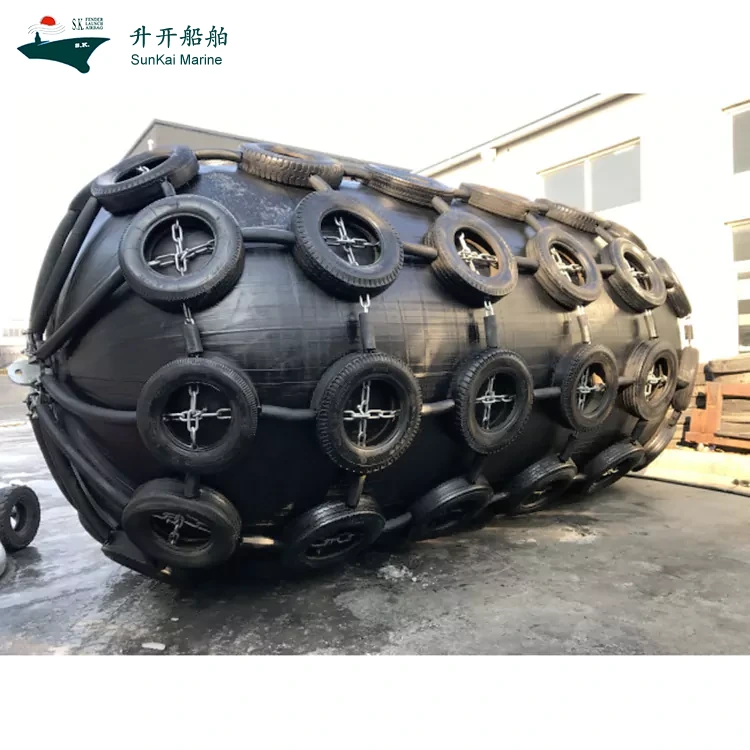
Marine Rubber Fenders

Table of Contents


1. What Are Marine Rubber Fenders?

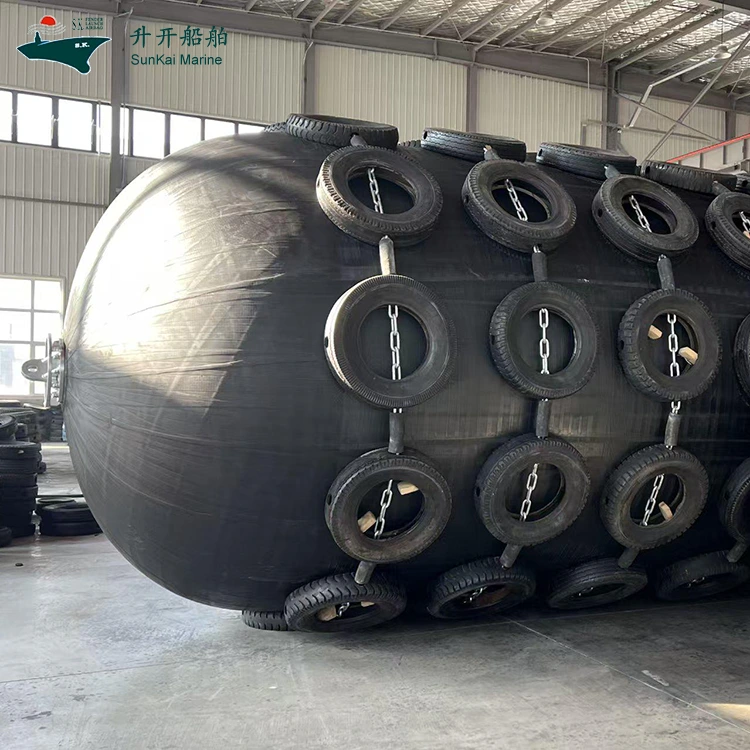
Marine Rubber Fenders are specialized marine safety devices installed on docks, quays, jetties, and offshore structures to absorb berthing energy when vessels come into contact with fixed or floating structures. Made from high-performance elastomer compounds, these fenders convert kinetic energy into elastic deformation, significantly reducing impact forces.

Unlike traditional timber or steel buffers, marine rubber fenders offer superior resilience, corrosion resistance, and long-term performance in harsh marine environments. They are widely used in commercial ports, naval bases, shipyards, and offshore terminals.


2. Why Berthing Impact Protection Matters

When a vessel berths, it carries significant kinetic energy depending on its displacement, speed, and berthing angle. Without proper fendering systems, this energy can:

  • Damage ship hulls and coatings
  • Crack concrete quay walls
  • Increase maintenance and repair costs
  • Create serious safety hazards

Marine rubber fenders act as the first line of defense, ensuring controlled deceleration and safe energy dissipation during berthing operations.


3. How Marine Rubber Fenders Absorb Energy

The energy absorption mechanism of marine rubber fenders relies on elastic deformation. When a vessel contacts the fender:

  1. The rubber body compresses under load
  2. Kinetic energy is converted into strain energy
  3. Reaction force is distributed over a larger contact area
  4. The vessel safely rebounds with minimal damage

Advanced designs referenced in marine rubber fender engineering standards optimize the balance between energy absorption (EA) and reaction force (RF).


4. Main Types of Marine Rubber Fenders

Fender Type Key Features Typical Applications
Cone Fender High energy absorption, low reaction force Large container ports, oil terminals
Cell Fender Durable, modular design Heavy-duty berths
Arch Fender Simple structure, cost-effective General cargo ports
Cylindrical Fender Flexible installation Small harbors, tugboats

5. Key Performance Parameters Explained

  • Energy Absorption (EA): Ability to absorb kinetic energy
  • Reaction Force (RF): Force transmitted to ship and structure
  • Deflection Ratio: Percentage of compression under load
  • Durability: Resistance to UV, seawater, and fatigue

An optimized marine rubber fender system achieves high EA with controlled RF, ensuring both vessel safety and structural integrity.


6. Applications in Ports, Harbors, and Offshore Projects

Marine rubber fenders are widely applied in:

  • Container terminals
  • Bulk cargo ports
  • Naval and coast guard bases
  • LNG and oil terminals
  • Offshore platforms and floating docks

Their adaptability makes them suitable for both fixed and floating structures under varying tidal conditions.


7. How to Choose the Right Marine Rubber Fender

Key selection factors include:

  1. Vessel size and berthing energy
  2. Berthing velocity and angle
  3. Available installation space
  4. Environmental conditions

Engineering consultation from experienced suppliers like SunKai ensures optimal system design and compliance with international standards.


8. Marine Rubber Fenders vs Other Fender Systems

Type Energy Absorption Maintenance Service Life
Rubber Fender High Low 15–25 years
Foam Fender Medium Medium 8–12 years
Plastic Fender Low High 5–8 years

9. Installation, Maintenance, and Service Life

Proper installation ensures full performance of marine rubber fenders. Routine inspections should focus on:

  • Rubber surface integrity
  • Anchor bolts and panels
  • Alignment and wear patterns

With correct maintenance, marine rubber fenders can operate reliably for decades.


10. Why Global Buyers Trust SunKai

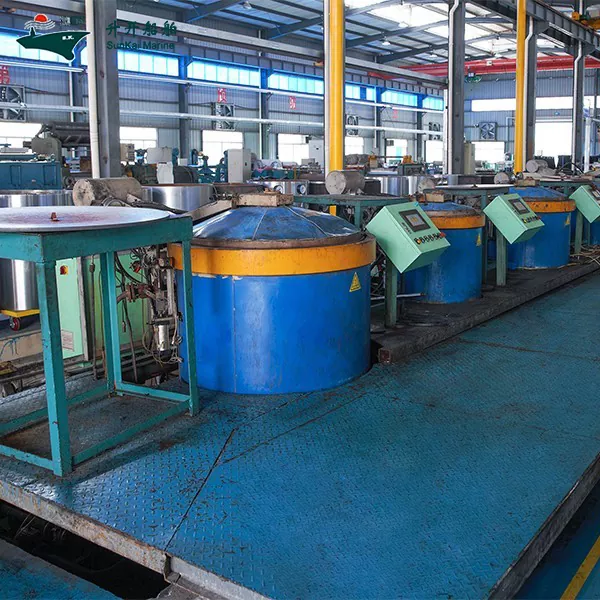
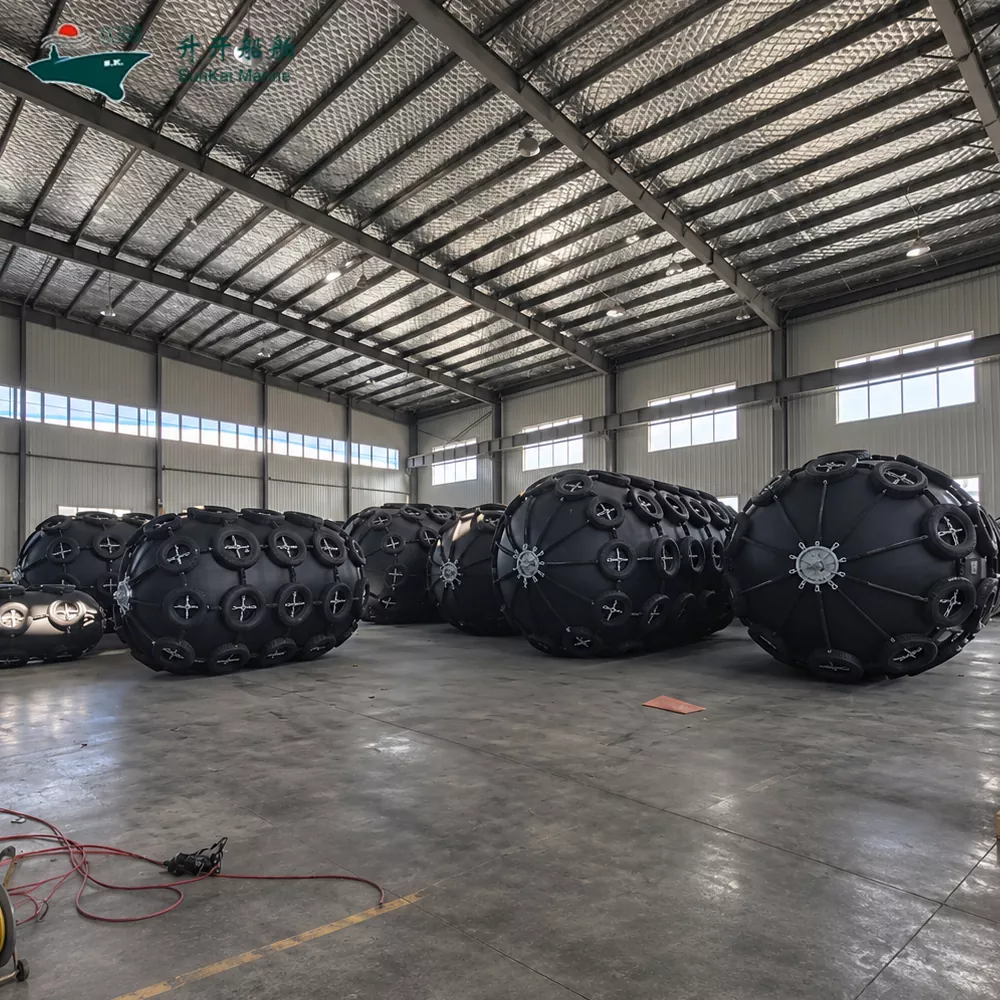
SunKai specializes in high-quality marine rubber fenders designed to meet international standards such as PIANC and ISO. With advanced manufacturing processes and strict quality control, SunKai delivers durable, efficient, and cost-effective fender solutions for global marine projects.


Frequently Asked Questions (FAQ)

Q1: How long do marine rubber fenders last?

Typically 15–25 years depending on usage and environment.

Q2: Are marine rubber fenders environmentally friendly?

Yes, high-quality rubber compounds are designed for long-term marine exposure with minimal environmental impact.

Q3: Can marine rubber fenders be customized?

Absolutely. Size, shape, and mounting systems can be tailored to project requirements.

Q4: Are rubber fenders suitable for offshore platforms?

Yes, they are widely used in offshore and floating applications.


If you are planning a port, harbor, or offshore project and need reliable marine rubber fender solutions, SunKai offers professional support from design to delivery. Feel free to contact us today to discuss your specific requirements and get expert recommendations.

Related News
Leave me a message
X
We use cookies to offer you a better browsing experience, analyze site traffic and personalize content. By using this site, you agree to our use of cookies. Privacy Policy
RejectAccept