Follow Us:

News

How Do Ship Launching Safety Airbags Revolutionize Modern Marine Launching Operations

2026-02-11 0 Leave me a message

Ship Launching Safety Airbags have transformed the marine industry by offering a flexible, cost-effective, and safe alternative to traditional launching methods such as slipways and dry docks. This article explores how marine airbags function, their structural design, safety standards, operational process, cost comparison, and industry advantages. We also discuss why leading manufacturers like SunKai are driving innovation in pneumatic launching systems and how shipyards worldwide are adopting this technology to increase efficiency and reduce infrastructure investment.

Ship Launching Safety Airbags

📑 Table of Contents


1. What Are Ship Launching Safety Airbags?

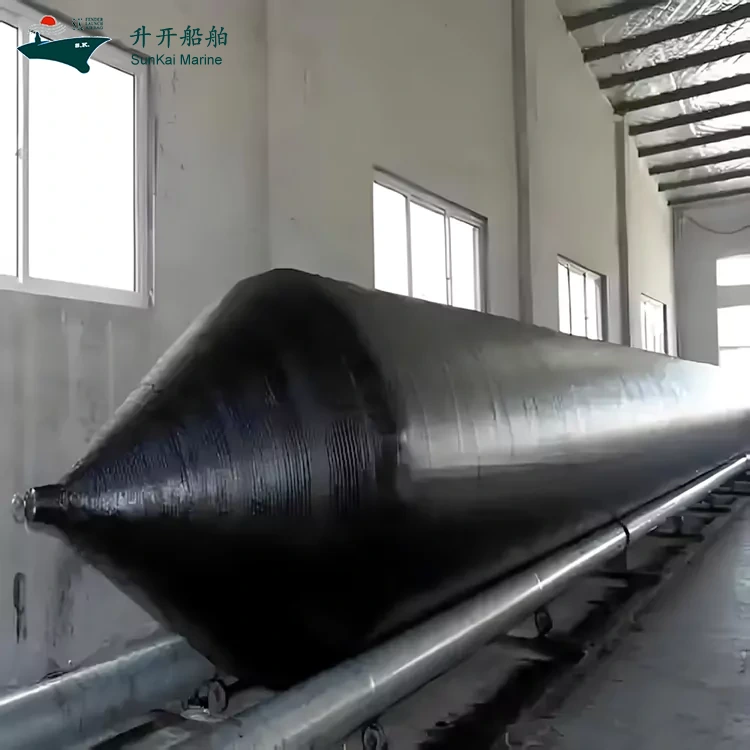
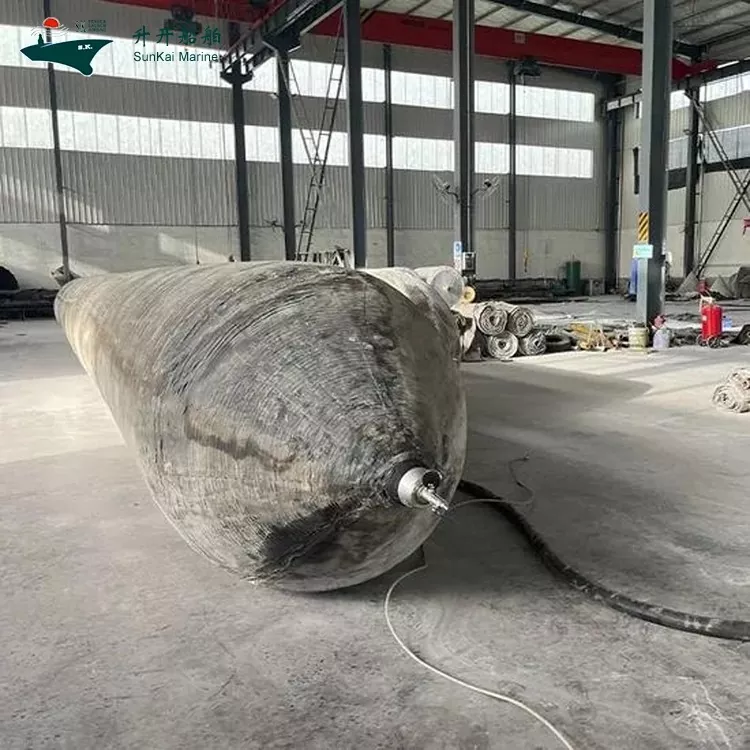
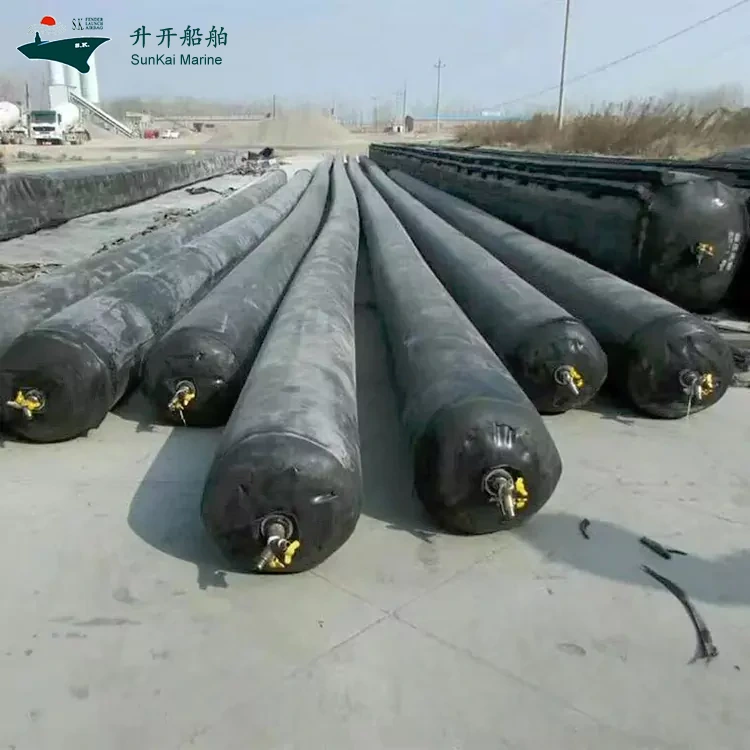
Ship Launching Safety Airbags are high-strength inflatable rubber cylinders designed to safely launch vessels from land into water. They are constructed using multiple layers of synthetic tire cord fabric and rubber, engineered to withstand high pressure and heavy loads.

Unlike fixed infrastructure such as slipways or dry docks, marine airbags provide a mobile, reusable, and adaptable launching solution. This makes them ideal for:

  • Small and medium-sized shipyards
  • Remote coastal construction sites
  • Ship repair facilities
  • Military and offshore projects

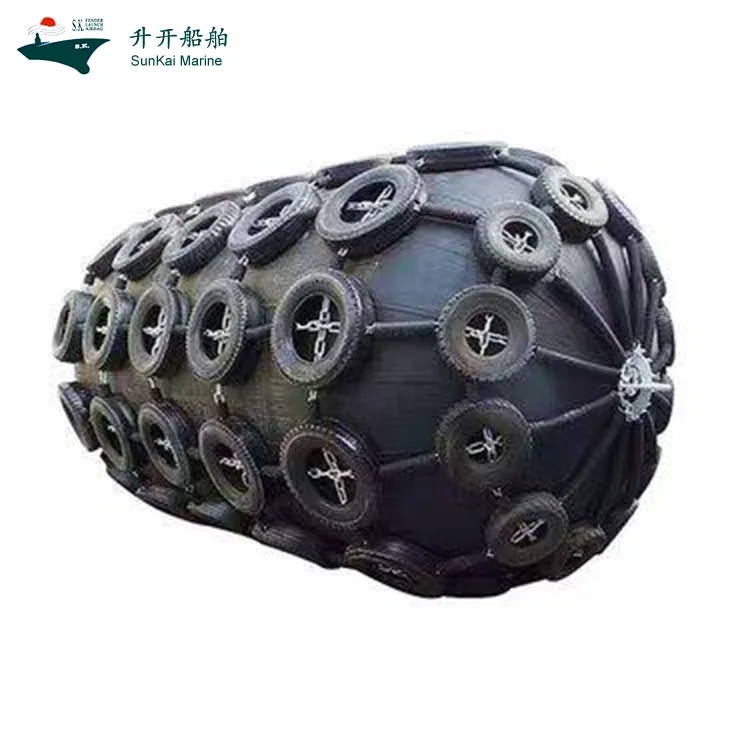
They are often referred to as marine launching airbags, pneumatic launching systems, or inflatable rubber airbags for ships.


2. How Do Marine Airbags for Launching Work?

The working principle of ship launching airbags is based on controlled rolling and buoyancy. Inflated airbags are placed beneath the vessel hull. As air pressure is adjusted, the vessel gradually rolls toward the water.

Core Working Mechanism

  1. Airbags are positioned under the hull.
  2. Compressed air inflates the airbags to required pressure.
  3. The vessel weight is distributed evenly across multiple airbags.
  4. Controlled rolling movement directs the vessel into water.
  5. Airbags are retrieved and reused.

This method eliminates the need for permanent launching tracks, significantly reducing infrastructure costs.


3. Structural Design and Technical Specifications

Modern Ship Launching Safety Airbags are engineered for durability, flexibility, and maximum load-bearing capacity.

Material Composition

  • Outer Rubber Layer – Abrasion and seawater resistant
  • Reinforcement Layer – Synthetic tire cord fabric
  • Inner Rubber Layer – Airtight sealing

Typical Specifications

Diameter Length Working Pressure Load Capacity
0.8m – 2.0m 6m – 24m 0.05 – 0.25 MPa Up to 1000+ tons (combined system)

The number and size of airbags are calculated based on vessel weight, hull structure, and launch angle.


4. Step-by-Step Ship Launching Process

Preparation Stage

  • Ground leveling and preparation
  • Hull support removal planning
  • Airbag placement calculation

Launch Execution

  • Inflation to calculated pressure
  • Gradual release of support blocks
  • Controlled rolling movement
  • Entry into water

Post-Launch

  • Airbag deflation
  • Inspection for reuse
  • Storage for next operation

This process is widely recognized as one of the safest flexible launching systems available today.


5. Advantages Over Traditional Launching Methods

Criteria Ship Launching Airbags Slipway/Dry Dock
Infrastructure Cost Low Very High
Flexibility High Limited
Installation Time Short Long-term construction
Maintenance Minimal Expensive

Main Benefits

  • Lower initial investment
  • Reusable equipment
  • Adaptable to different vessel sizes
  • Reduced environmental impact
  • Improved safety through distributed load control

6. Safety Standards and Quality Control

High-quality Ship Launching Safety Airbags comply with international marine safety standards. Key factors include:

  • ISO certification
  • Pressure testing before delivery
  • Material tensile strength verification
  • Third-party inspection reports

Manufacturers like SunKai emphasize strict quality control procedures, ensuring each marine airbag meets rigorous safety requirements for heavy-duty ship launching operations.


7. Cost Analysis and ROI for Shipyards

One of the most compelling reasons shipyards adopt pneumatic launching systems is financial efficiency.

Cost Components

  • Airbag procurement
  • Air compressors
  • Ground preparation
  • Labor

Compared to millions required for permanent docks, airbag systems often deliver ROI within a few projects.

Additionally, because airbags are reusable for multiple launches, long-term operational costs are significantly reduced.


8. Applications Beyond Ship Launching

Marine airbags are versatile tools. Besides ship launching, they are used for:

  • Ship landing operations
  • Vessel salvage projects
  • Heavy structure lifting
  • Caisson launching
  • Bridge construction assistance

This versatility increases their value for marine engineering companies.


9. Why Choose SunKai Ship Launching Safety Airbags?

SunKai has established a strong reputation in the marine equipment industry by delivering reliable, high-performance Ship Launching Safety Airbags.

Key Strengths

  • Advanced manufacturing technology
  • Strict quality inspection
  • Custom size production
  • Global export experience
  • Technical support for launching calculations

Choosing a professional manufacturer ensures operational safety and long-term durability.


10. FAQ – Ship Launching Safety Airbags

Q1: What vessel size can marine launching airbags handle?

They can handle vessels from small boats to ships exceeding thousands of tons when properly configured.

Q2: How many times can airbags be reused?

With proper maintenance, high-quality airbags can be reused dozens of times.

Q3: Are ship launching airbags safe?

Yes. When calculations and safety procedures are followed, they provide controlled and stable launching.

Q4: How long does a launching operation take?

Typically a few hours, depending on vessel size and site preparation.

Q5: What maintenance is required?

Cleaning, pressure inspection, and proper storage away from direct sunlight.


Conclusion

Ship Launching Safety Airbags represent a breakthrough in modern marine engineering. Their flexibility, safety, cost efficiency, and adaptability make them the preferred choice for shipyards worldwide. As demand for sustainable and scalable launching solutions increases, pneumatic airbag systems will continue to dominate the industry.

If you are looking for high-performance Ship Launching Safety Airbags backed by professional engineering support, SunKai provides customized solutions to meet your project requirements. Contact us today to learn how we can help optimize your next ship launching operation.

Related News
Leave me a message
X
We use cookies to offer you a better browsing experience, analyze site traffic and personalize content. By using this site, you agree to our use of cookies. Privacy Policy
RejectAccept