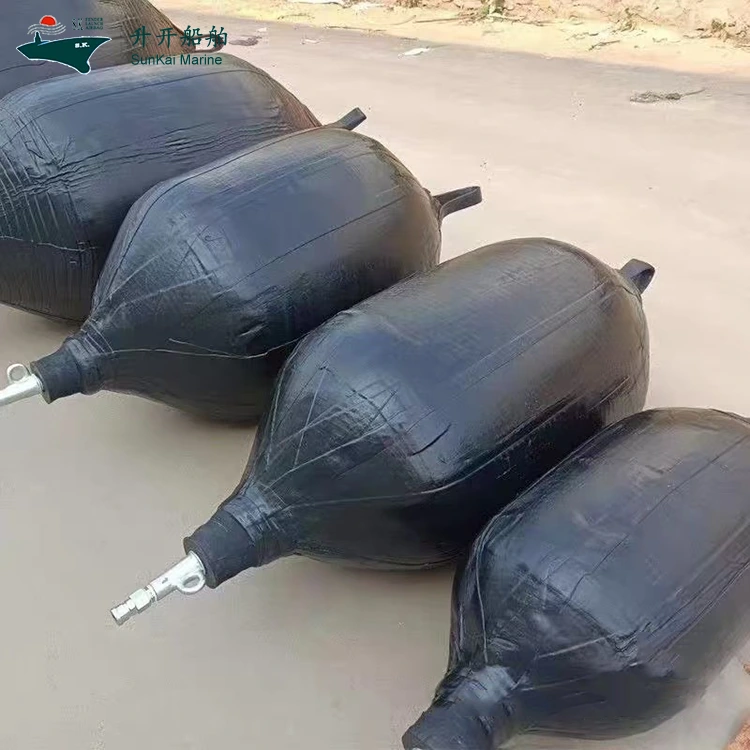
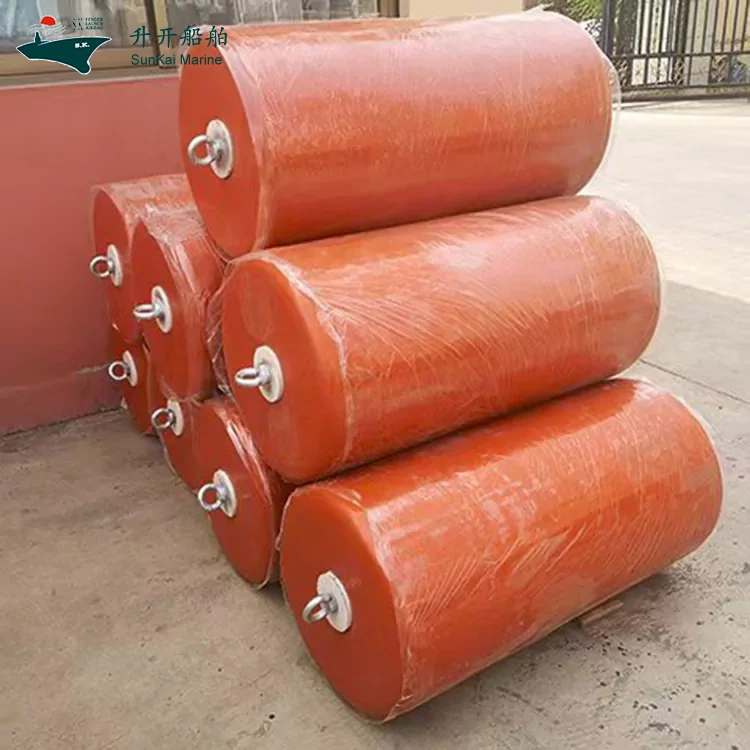
Aircraft Tire-type Marine Fenders are widely used in ports, terminals, and offshore berthing facilities to absorb impact energy and protect vessels during docking. This in-depth guide explains how aircraft tire-type marine fenders work, their structure, advantages, applications, and how to choose the right solution for different marine environments. Backed by industry insights and practical comparisons, this article helps ship owners, port authorities, and marine engineers make informed decisions.
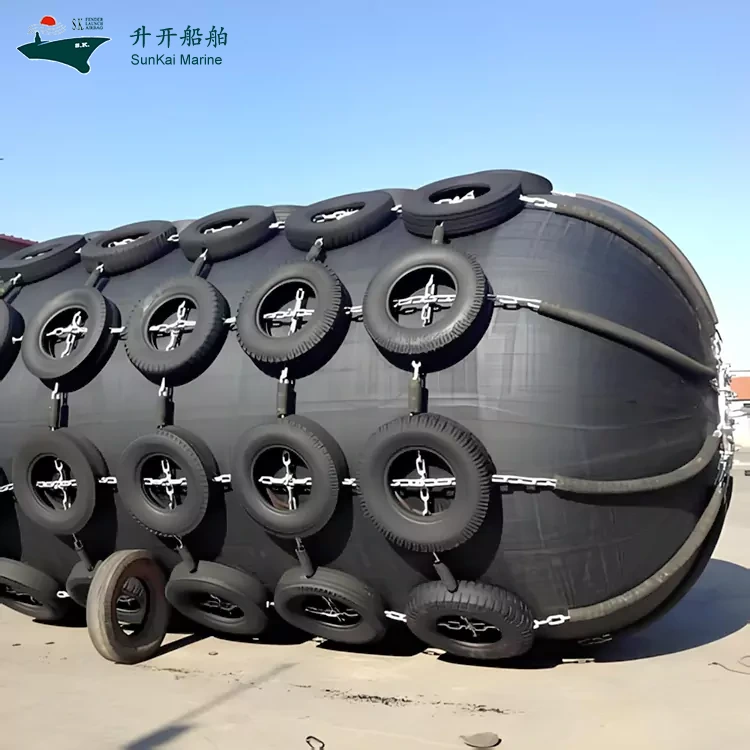
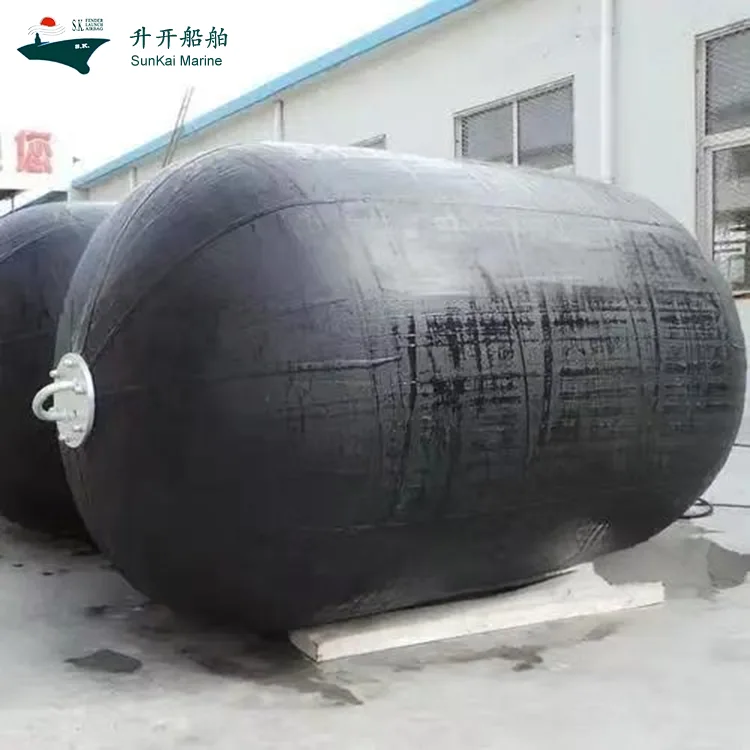
Aircraft Tire-type Marine Fenders are a type of marine protective system made by recycling high-strength aircraft tires. These fenders are designed to absorb kinetic energy generated when vessels berth alongside docks, quays, or offshore structures.
Unlike solid rubber fenders, aircraft tire-type marine fenders rely on the natural elasticity and layered reinforcement of aircraft tires, which are originally engineered to withstand extreme loads during aircraft landing.
When a vessel approaches a berth, kinetic energy is generated based on the vessel’s mass and velocity. Aircraft tire-type marine fenders function by converting this kinetic energy into elastic deformation energy.
This energy absorption mechanism significantly reduces damage risks to both ships and port infrastructure, making aircraft tire-type marine fenders a preferred solution for heavy-duty berthing.
A standard aircraft tire-type marine fender system typically consists of the following components:
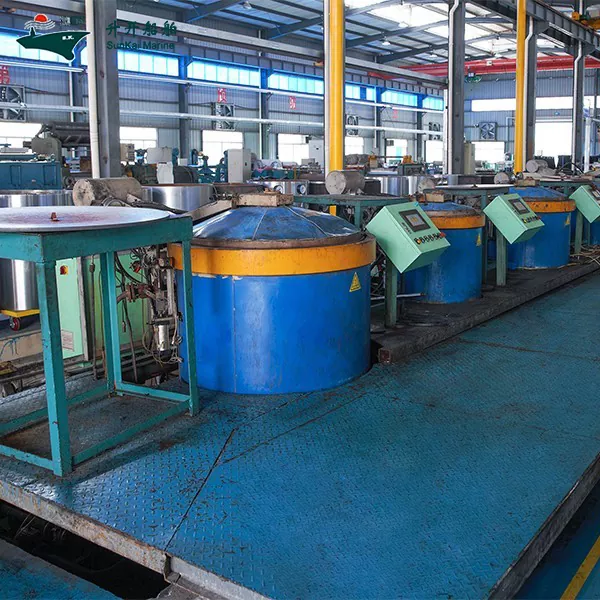
Manufacturers like SunKai customize configurations based on berth type, vessel size, and operational requirements.
| Feature | Aircraft Tire-type Marine Fenders | Conventional Rubber Fenders |
|---|---|---|
| Energy Absorption | High and progressive | Moderate |
| Durability | Excellent (aircraft-grade tires) | Good |
| Cost-effectiveness | High (reusable materials) | Medium |
| Maintenance | Low | Medium |
Aircraft tire-type marine fenders are commonly used in:
Their flexibility and modular installation make them ideal for both permanent and temporary berthing solutions.
| Parameter | Typical Range |
|---|---|
| Tire Diameter | 900 mm – 1400 mm |
| Energy Absorption | Up to 200 kN·m |
| Reaction Force | Low to Moderate |
| Service Life | 10–20 years |
When selecting aircraft tire-type marine fenders, consider:
Professional suppliers such as SunKai can provide engineering calculations and customized solutions to ensure optimal safety and performance.
Routine inspections help extend the service life and maintain consistent energy absorption performance.
Yes. They reuse aircraft tires, reducing waste and promoting sustainable marine engineering practices.
Absolutely. They are commonly used for large cargo ships, tankers, and naval vessels.
With proper maintenance, they can last 10–20 years depending on usage conditions.
Yes. Their modular and suspended design makes them ideal for temporary or emergency berthing.
Aircraft Tire-type Marine Fenders play a crucial role in modern berthing operations by providing reliable impact protection, cost efficiency, and long-term durability. Whether for busy commercial ports or specialized offshore facilities, these fenders offer a proven and flexible solution.
If you are looking for high-quality aircraft tire-type marine fenders or customized marine protection systems, partner with experienced manufacturers like SunKai. For professional consultation and tailored solutions, contact us today to enhance the safety and efficiency of your marine operations.
Phone: +86-15853213129
Mobile: +86-15908962397
Address:No. 869, Yanqing Road, Tongji Street, Jimo District, Qingdao City, Shandong Province, China
Copyright © 2025 Qingdao SunKai Marine Supplies Co., Ltd. All Rights Reserved.