This comprehensive guide explains what ship launching safety airbags are, how they work, and why they have become indispensable in modern shipbuilding and marine operations. We discuss key benefits, features, best practices, and safety considerations—all to help shipyards and marine professionals make informed decisions. We also include example specifications and practical FAQs that address common concerns about marine airbag solutions.
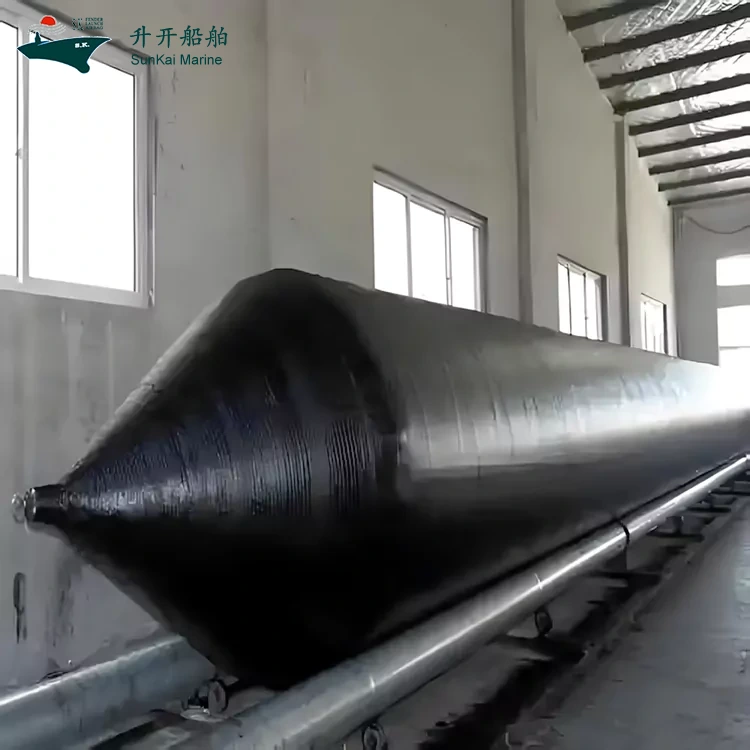
Table of Contents
What Are Ship Launching Safety Airbags?
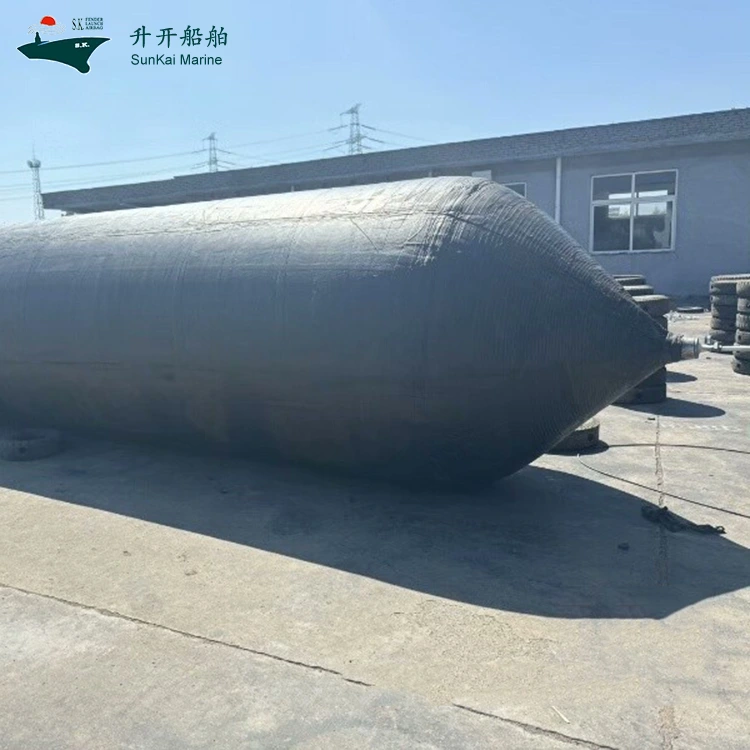
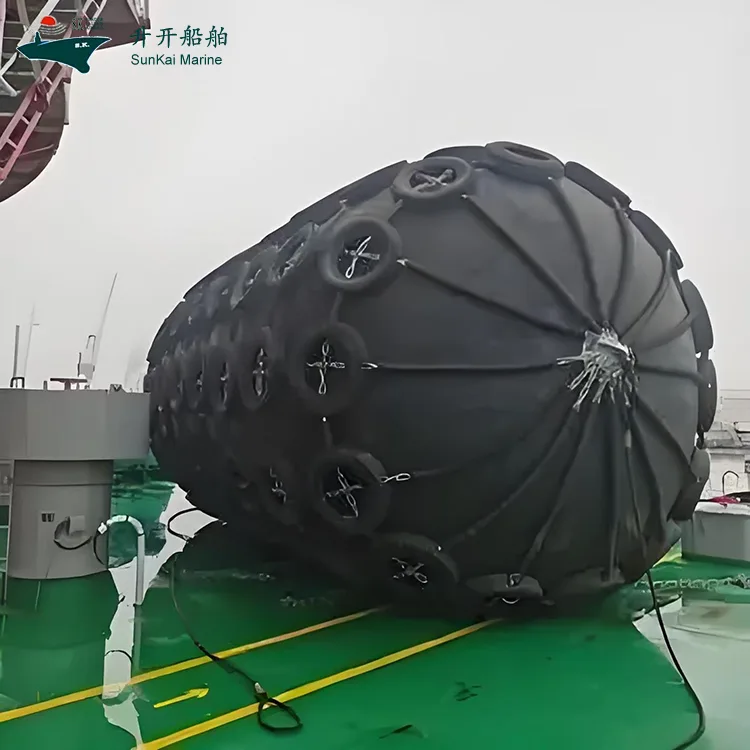
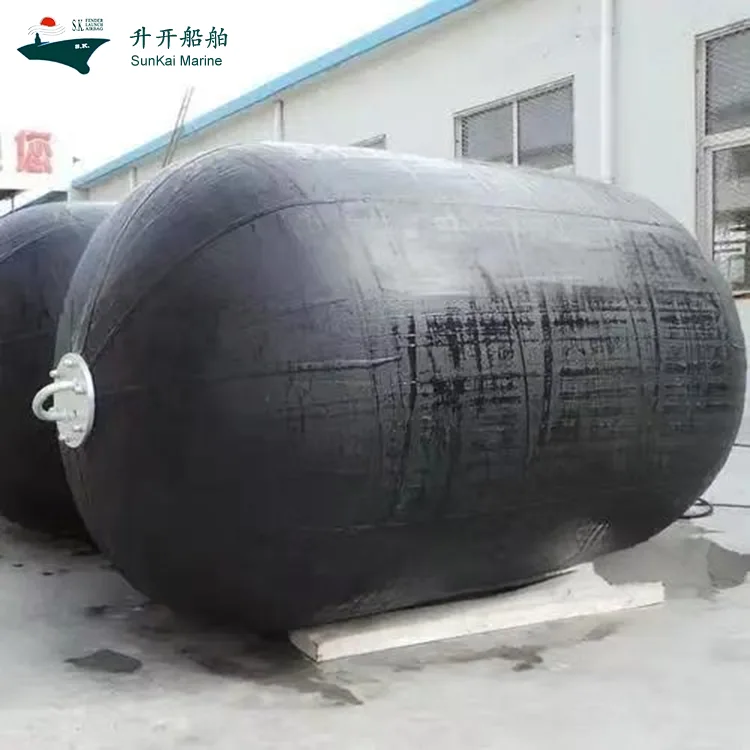
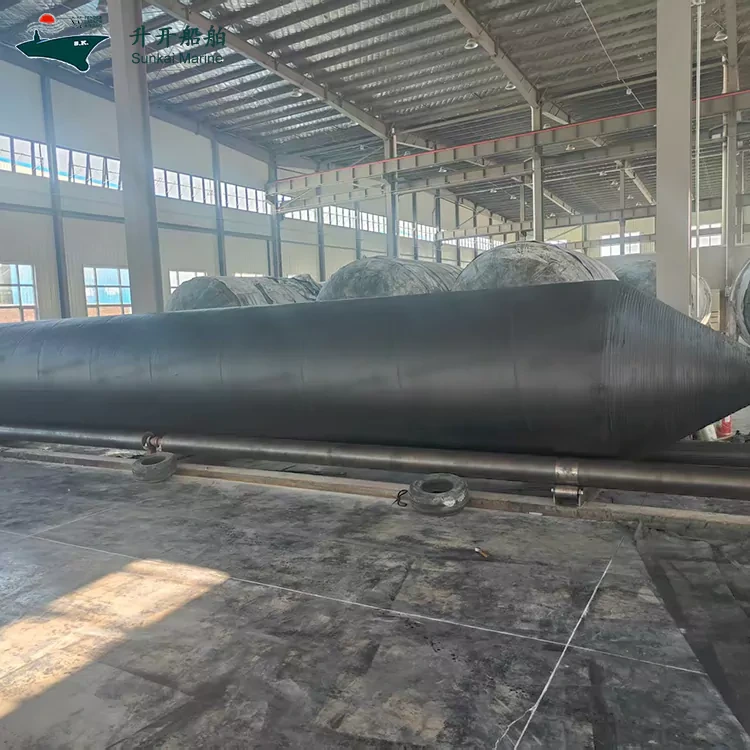
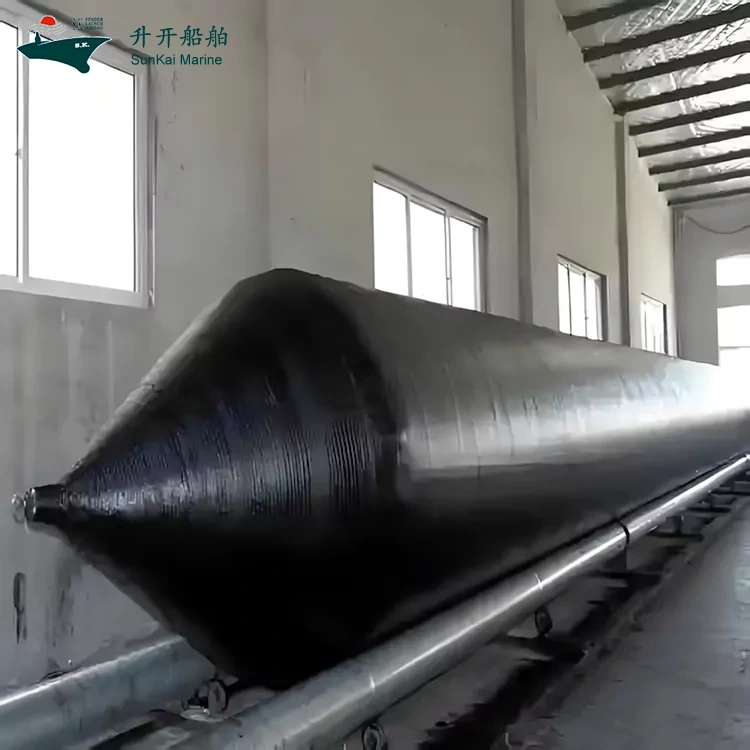
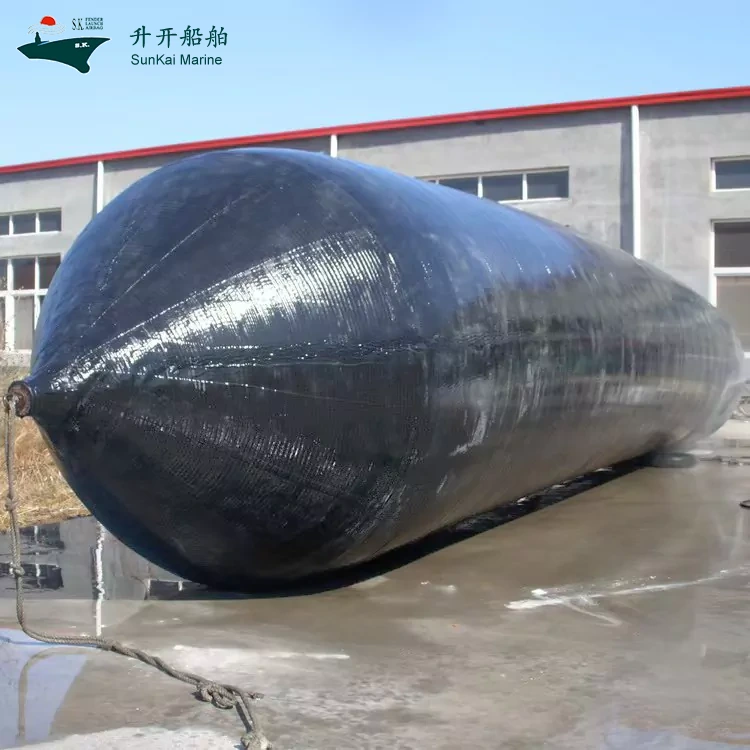
Ship launching safety airbags are large, inflatable rubber cylinders engineered to support and guide a vessel safely into the water during launch or hauling operations. Unlike traditional slipways or crane systems, these airbags roll beneath the hull, distributing weight evenly, reducing friction, and improving safety during launch.
They are sometimes called marine airbags or rubber launching airbags and are designed with reinforced rubber layers that offer durability, load capacity, and resistance to marine environments.
How Do Safety Airbags Work?
Ship launching airbags operate on a simple yet effective principle: when inflated beneath a ship’s hull, the airbags reduce contact friction and create buoyancy that helps the vessel glide smoothly into the water.
- Positioning: Multiple airbags are aligned longitudinally under the hull on a slipway.
- Inflation: Airbags are inflated to the correct working pressure based on ship weight and dimensions.
- Roll & Launch: The inflated airbags roll under the keel, gradually moving the vessel toward the waterline.
- Deflation & Retrieval: After launch, airbags are deflated and retrieved for reuse.
This method reduces reliance on heavy equipment and enables ship launching even on minimal infrastructure.
Key Benefits of Using Safety Airbags
- Enhanced Safety: Even distribution of load prevents sudden shifts and reduces risk of hull damage.
- Cost Efficiency: Eliminates the need for expensive slipways and large cranes.
- Portability: Can be deployed in remote or temporary yard locations.
- Reusable: High-quality airbags last multiple launch cycles with proper maintenance.
- Versatility: Used for launching, hauling out, and even repair positioning tasks.
Critical Features to Look For
| Feature | Benefit |
|---|---|
| Multi-Layer Reinforcement | Higher load capacity and puncture resistance. |
| Corrosion-Resistant Rubber | Resists saltwater and abrasion for long life. |
| Custom Sizes | Fits vessels of different sizes and draft types. |
| Pressure Valves & Safety Accessories | Enables safe inflation and real-time control. |
Comparison with Traditional Launch Methods
Compared with cranes, slipways, and hydraulic jacks, airbags offer:
- Lower infrastructure cost: No permanent structures required.
- Higher flexibility: Suitable for uneven terrain or limited space.
- Reduced labor requirements: Simple setup and fewer personnel needed.
Guide to Choosing the Right Airbags
When selecting ship launching airbags, consider these factors:
- Ship weight & length – ensure sufficient bearing capacity.
- Airbag diameter – larger diameters carry more load.
- Pressure rating – match with the ship’s operational conditions.
- Environmental conditions – saltwater or harsh climates require better materials.
Installation & Safety Practices
Proper installation and safety measures are vital to prevent accidents:
- Inspect airbags for damage before use.
- Arrange airbags based on vessel weight distribution.
- Maintain correct working pressure and never exceed rated limits.
- Monitor pressure during launch to avoid failure.
Frequently Asked Questions (FAQ)
- What materials are ship launching airbags made of?
- They are typically constructed with multiple layers of reinforced rubber and synthetic cords for durability and strength.
- Can airbags be used for all vessel types?
- Yes, airbags can be custom-made for small boats to large commercial ships.
- How long do airbags last?
- With proper storage and maintenance, high-quality airbags last multiple years and many launch cycles.
- Are airbags safe to reuse?
- Yes—after inspection and cleaning, airbags can be reused if they remain structurally sound.
Conclusion
Ship launching safety airbags provide modern shipyards with a safer, cost-effective, and flexible method for launching and hauling vessels. From evenly distributing load to reducing infrastructure costs and improving operational flexibility, these engineered solutions transform vessel deployment in marine environments. Leading manufacturers such as SunKai offer advanced airbags customized to specific vessel requirements.
To explore high-quality marine airbag solutions and get personalized support for your next vessel launch or repair project, contact us today—our team at SunKai is ready to assist you with expert advice and competitive quotes.