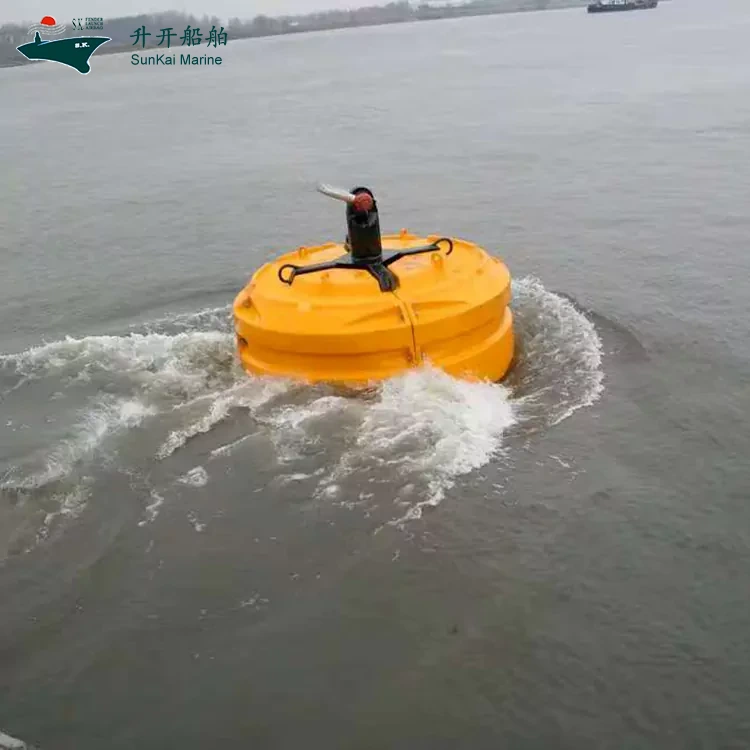
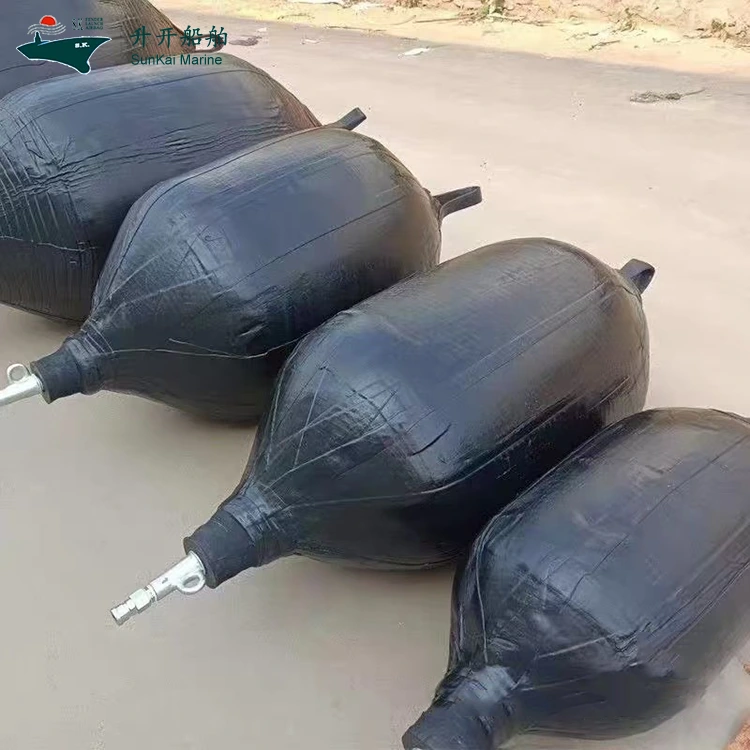
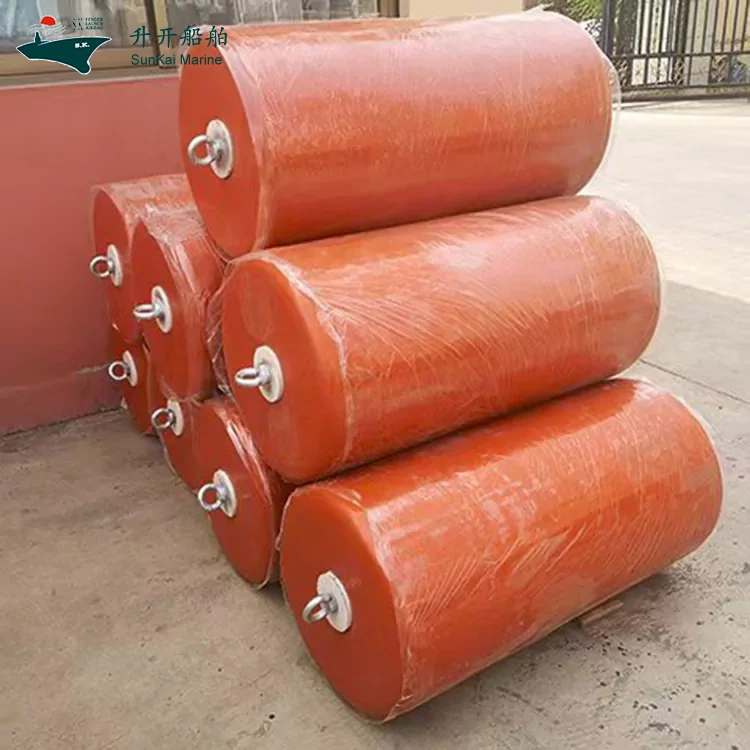
Marine Buoys are exposed to harsh marine environments, including saltwater corrosion, waves, and intense sunlight. Regular inspections are the first step in extending their operational life. Our factory recommends checking for surface damage, signs of rust, or wear on attachments. At Qingdao SunKai Marine Supplies Co., Ltd., we provide inspection guidelines that include reviewing buoy floats, mooring chains, and lighting systems. Our team emphasizes documenting the inspection results to predict maintenance needs and prevent unexpected failures.
During our routine inspections, we also measure the integrity of the hull material and the condition of embedded electronics. Selecting high-quality marine buoys from our factory ensures that inspection intervals are manageable and maintenance activities are more effective.
Cleaning is a critical maintenance practice to prevent corrosion and biofouling on Marine Buoys. Salt deposits, algae, and barnacles can reduce visibility, impair buoyancy, and degrade surface coatings. Our team usually recommends periodic freshwater rinsing, gentle brushing, and the use of marine-grade cleaning solutions. At Qingdao SunKai Marine Supplies Co., Ltd., we design our products with corrosion-resistant coatings and smooth surfaces to simplify cleaning routines.
Additionally, our factory integrates UV-stabilized materials that minimize surface degradation. Cleaning also includes checking for early signs of paint peeling or anodizing wear. Maintaining a clean surface allows our Marine Buoys to remain highly visible, functional, and durable even under continuous exposure to sunlight and turbulent waters.
Correct mooring practices are essential to prevent unnecessary stress on Marine Buoys. Improper anchoring can lead to drifting, collision damage, or chain fatigue. Our factory provides detailed guidance on mooring line length, weight, and tension. At Qingdao SunKai Marine Supplies Co., Ltd., we ensure our buoys are equipped with reinforced attachment points that accommodate standard mooring configurations used in commercial and coastal waters.
Our engineers recommend regular checks of the anchor chain, shackles, and float attachment points. Consistent adjustments to mooring lines in response to tidal changes help maintain buoy stability and reduce mechanical strain. Following these mooring guidelines ensures that our Marine Buoys achieve their maximum service life.
The electrical and lighting systems on Marine Buoys are vulnerable to moisture ingress and corrosion. Our factory emphasizes inspecting battery compartments, solar panels, and LED systems regularly. Proper sealing and cleaning can prevent short circuits and prolong component life. When selecting Marine Buoys from our inventory, our team considers power autonomy, LED efficiency, and accessibility for maintenance. Our engineers also recommend testing lighting performance under various weather conditions to ensure reliable operation.
We advise using corrosion-resistant connectors and periodically replacing worn-out electrical components. By following these practices, operators can reduce downtime and maintain continuous navigational support for maritime operations.
Material choice and structural design are decisive in determining how long Marine Buoys can remain operational. High-density polyethylene, UV-stabilized polymers, and reinforced composites resist impact, UV degradation, and saltwater corrosion. Our factory develops designs that optimize floatation, weight distribution, and rigidity. Marine Buoys from our production line include reinforced hulls and anti-fouling surfaces, which reduce the frequency of maintenance.
Structural features such as integrated lifting points and smooth surfaces facilitate handling during installation and maintenance. We also advise selecting buoys with modular components, allowing replacement of worn parts without full unit replacement. Our engineers work with clients to match design specifications to specific maritime conditions, balancing durability and cost efficiency.
Documenting maintenance actions and monitoring environmental conditions can significantly extend the life of Marine Buoys. Recording data on inspection dates, cleaning schedules, mooring adjustments, and lighting performance allows operators to plan preventive maintenance. Our factory provides tracking templates and guidance on best practices. Using these records, our team can analyze patterns, identify recurring issues, and recommend improvements.
Environmental monitoring includes checking water salinity, wave intensity, and exposure to marine traffic. Incorporating these variables into maintenance planning helps optimize the life cycle of our Marine Buoys and ensures consistent performance across different marine conditions.
| Maintenance Task | Frequency | Key Checks | Notes |
| Surface Cleaning | Monthly | Algae, barnacles, salt deposits | Use gentle marine-grade cleaning solutions |
| Visual Inspection | Quarterly | Hull integrity, attachment points | Document wear and corrosion signs |
| Mooring and Anchoring | Quarterly | Chain tension, shackle condition | Adjust for tides and currents |
| Electrical Systems | Biannually | Battery, solar panels, LED lights | Check sealing and performance |
| Parameter | Recommended Range | Performance Benefit | Notes |
| Hull Material | HDPE or reinforced polymer | Resists impact, UV and saltwater | Improves overall durability |
| Lighting | LED 1–3 nautical miles visibility | Ensures navigational safety | Low maintenance and energy-efficient |
| Mooring Chain | Galvanized steel, 1.5–2 times depth length | Reduces drift and fatigue | Adjustable for tidal variations |
| Surface Coating | Anti-fouling paint or UV-stabilized layer | Prevents corrosion and biofouling | Reduces cleaning frequency |
Q1: How often should I inspect Marine Buoys for physical damage?
Inspection should occur at least quarterly. Check hull surfaces, attachment points, and signs of impact or wear. Documenting these observations allows proactive maintenance and prevents unexpected failures.
Q2: What cleaning techniques are recommended to minimize corrosion?
Freshwater rinsing, gentle brushing, and marine-grade cleaning solutions are effective. Regular cleaning removes salt, algae, and barnacles, preserving coatings and reducing structural degradation.
Q3: How can mooring adjustments improve buoy longevity?
Correct tension and positioning prevent chain fatigue and collisions. Adjust mooring lines to account for tidal variations, and ensure anchors are secure. This reduces stress on the buoy and extends service life.
Extending the life of Marine Buoys requires a combination of regular inspections, proper cleaning, correct mooring, electrical maintenance, and careful monitoring of environmental conditions. Selecting high-quality products and following structured maintenance routines significantly improves performance and reduces replacement costs. Our team works closely with clients to provide guidance, durable Marine Buoys, and best-in-class support. Contact our technical department today to discuss solutions tailored to your maritime operations and ensure your buoys remain reliable for years to come.
Phone: +86-15853213129
Mobile: +86-15908962397
Address:No. 869, Yanqing Road, Tongji Street, Jimo District, Qingdao City, Shandong Province, China
Copyright © 2025 Qingdao SunKai Marine Supplies Co., Ltd. All Rights Reserved.