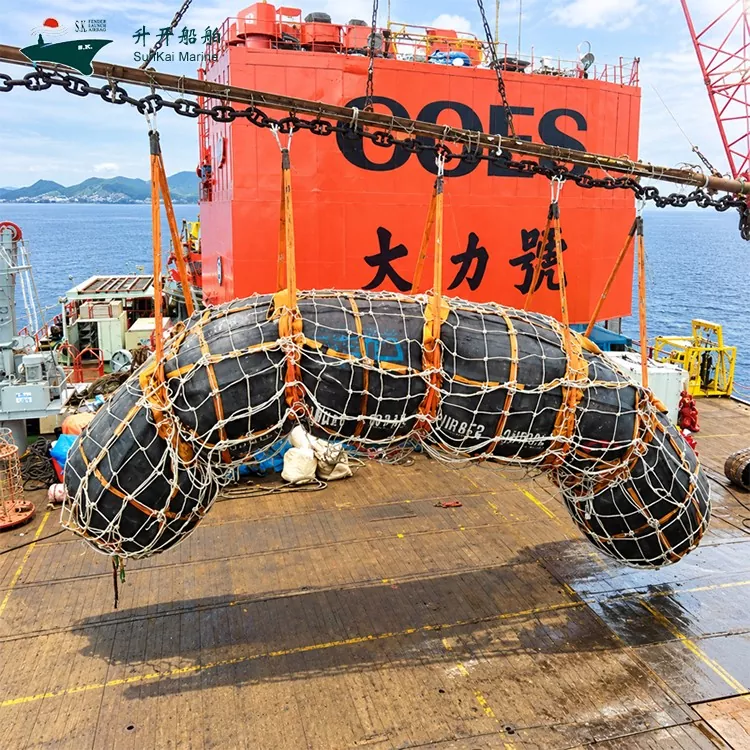
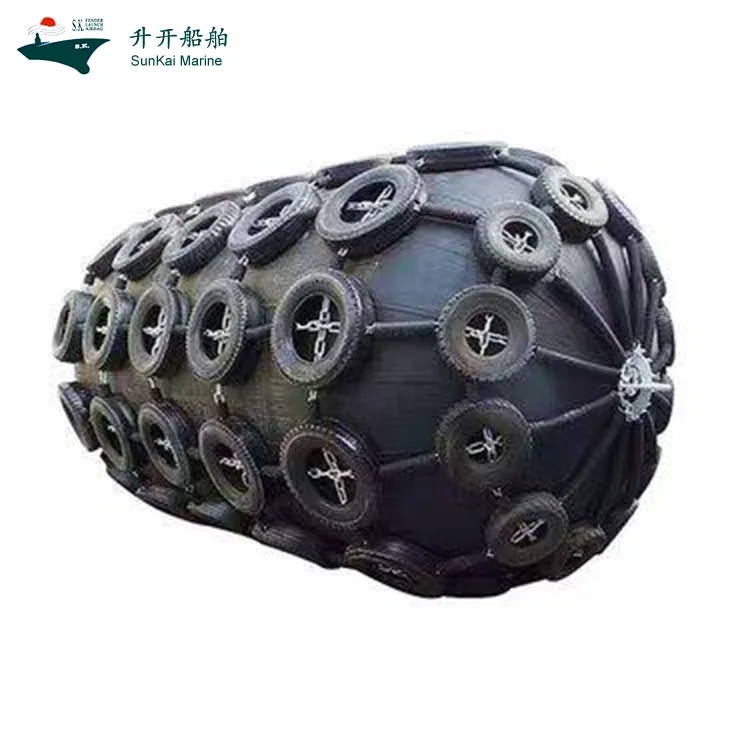
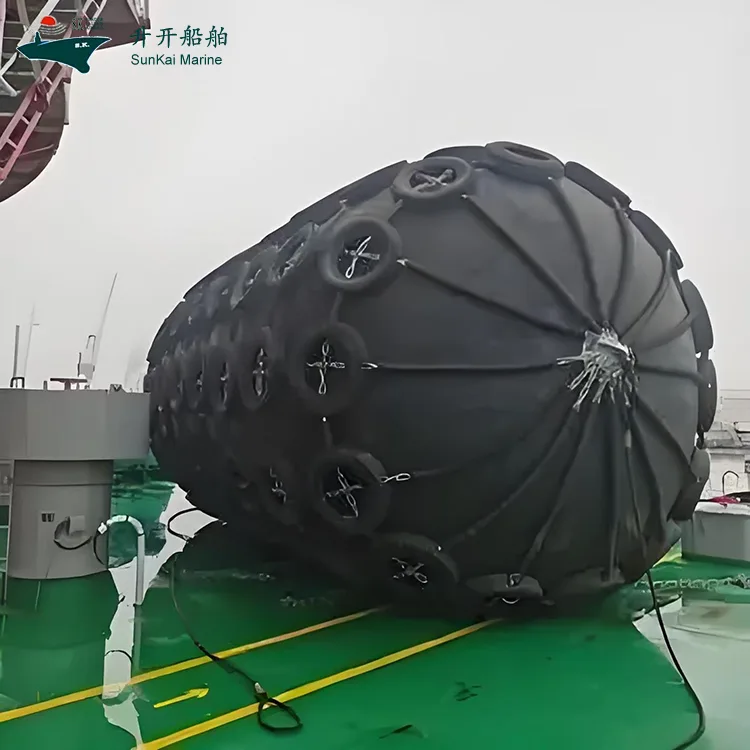
When it comes to protecting vessels and marine structures during berthing and mooring operations, the choice of fender system is paramount. Selecting a fender that offers high energy absorption with a correspondingly low reaction force is crucial for safety and longevity. This is precisely where the Low Pressure Pneumatic Rubber Fender excels. Designed for challenging maritime environments, this fender type utilizes internal compressed air to provide a superior cushioning effect. Its low-pressure design ensures a softer, more forgiving contact, significantly reducing the risk of damage to both the vessel's hull and the wharf structure. For applications requiring reliable protection for ships and floating structures, our specialized Marine Low Pressure Pneumatic Fender and Ship Low Pressure Pneumatic Fender are engineered to meet these demands. Furthermore, for scenarios involving floating docks or as standalone buoyancy aids, our Floating Low Pressure Pneumatic Fender provides an optimal solution. At the core of our range is the versatile Low Pressure Pneumatic Rubber Fender, a product built on decades of engineering expertise to deliver consistent performance and durability.
The Pneumatic Fender Low Pressure Type represents a significant advancement in marine cushioning technology. Its construction typically involves a robust, weather-resistant rubber exterior, reinforced with high-tensile cord layers, encapsulating a sealed air chamber. The principle is simple yet effective: upon impact, the internal low-pressure air compresses, absorbing kinetic energy and distributing the load over a larger area. This design offers several distinct advantages over traditional solid rubber or foam-filled fenders, including higher energy absorption per unit weight, a lower reaction force for a given deflection, and excellent performance even at low temperatures. The flexibility of the Pneumatic Fender Low Pressure Type also allows for better adaptation to the curvature of a ship's hull, ensuring more uniform pressure distribution and minimizing point-load stresses.
| Model | Outer Diameter (D) mm | Length (L) mm | Design Pressure (MPa) | Energy Absorption (kJ) | Reaction Force (kN) |
|---|---|---|---|---|---|
| PF-LP-1000 | 1000 | 2000 | 0.05 | 150 | 450 |
| PF-LP-1500 | 1500 | 3000 | 0.05 | 480 | 980 |
| PF-LP-2000 | 2000 | 4000 | 0.05 | 1100 | 1850 |
| PF-LP-2500 | 2500 | 5000 | 0.05 | 2100 | 3100 |