Follow Us:

News

How Do Lifting and Load-Bearing Airbags Revolutionize Heavy Lifting and Marine Engineering

2026-02-25 0 Leave me a message

Lifting and Load-bearing Airbags are transforming heavy industrial lifting, marine salvage operations, ship launching, bridge construction, and offshore engineering. These advanced pneumatic systems provide a safer, cost-effective, and flexible alternative to traditional cranes and hydraulic lifting tools. In this comprehensive guide, we explore their working principles, technical specifications, advantages, applications, selection criteria, safety standards, and future innovations. Whether you are in shipbuilding, marine engineering, construction, or heavy transport, this article will help you understand why high-performance airbag systems from professional manufacturers like SunKai are shaping the future of controlled lifting solutions.

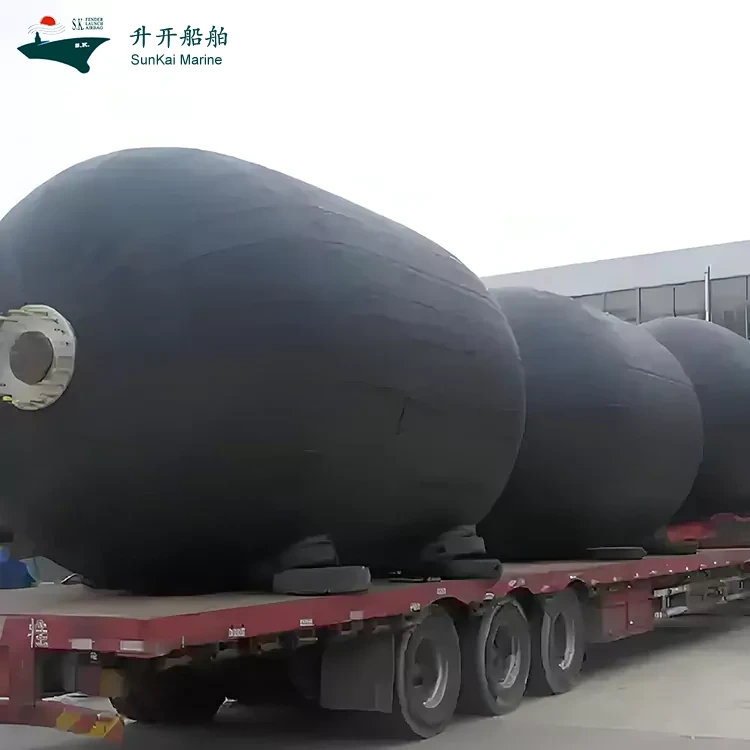
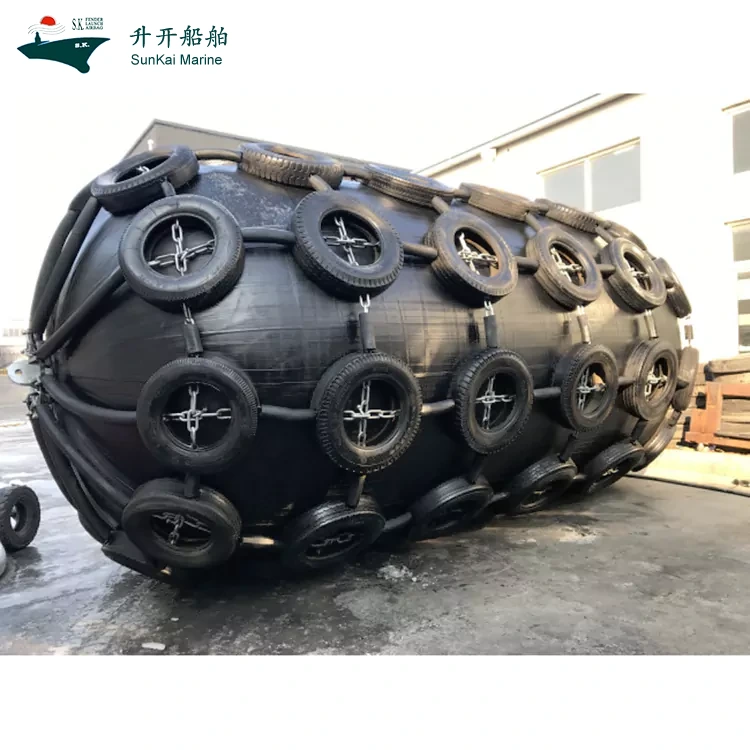
Lifting and Load-bearing Airbags

Table of Contents


1. What Are Lifting and Load-Bearing Airbags?

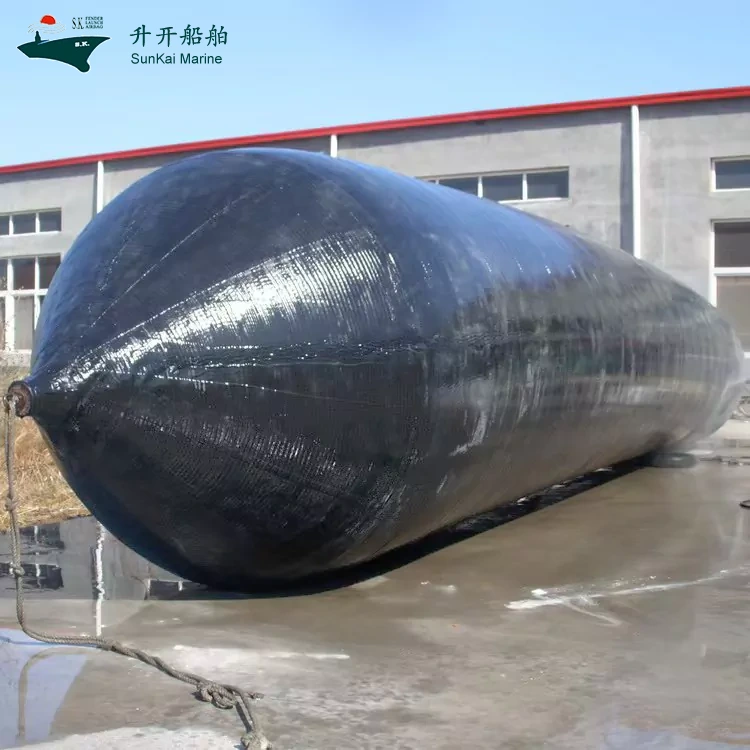
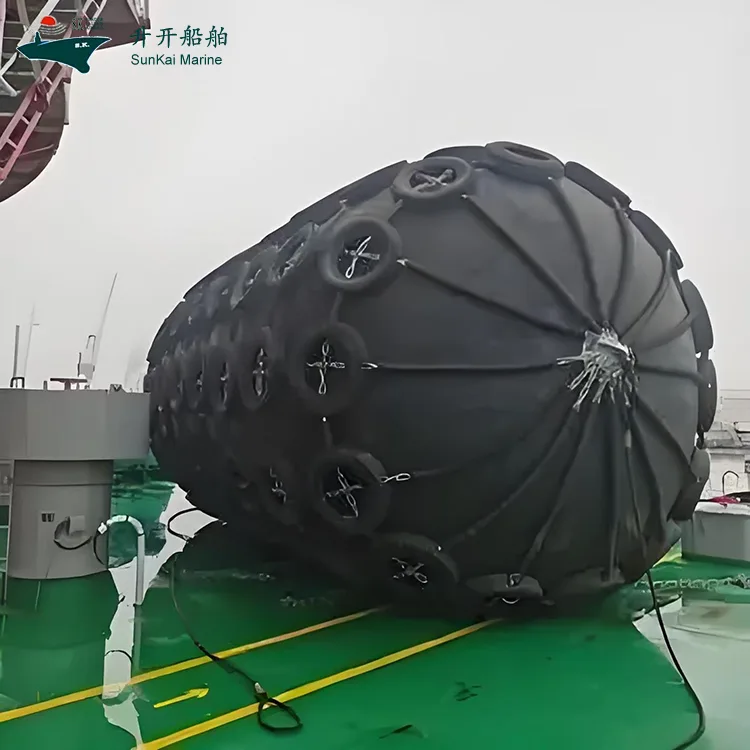
Lifting and Load-bearing Airbags are high-strength inflatable pneumatic devices engineered to lift, move, launch, or salvage extremely heavy objects. Unlike decorative inflatable products, these airbags are reinforced with multiple layers of synthetic tire cord fabric and heavy-duty rubber compounds to withstand massive pressure and distribute loads evenly.

They are widely used in:

  • Ship launching and dry dock operations
  • Marine salvage and underwater recovery
  • Bridge construction and structural lifting
  • Pipeline installation and industrial transport
  • Emergency rescue and disaster response

By replacing expensive cranes and fixed infrastructure, lifting airbags provide flexible, portable, and cost-efficient solutions for complex heavy-lift scenarios.


2. How Do Industrial Lifting Airbags Work?

The working principle is based on controlled pneumatic pressure. When compressed air is pumped into the airbag:

  1. The airbag expands vertically and horizontally.
  2. Internal reinforced layers distribute pressure evenly.
  3. The object above is gradually lifted as internal pressure increases.
  4. Load is stabilized through synchronized inflation control.

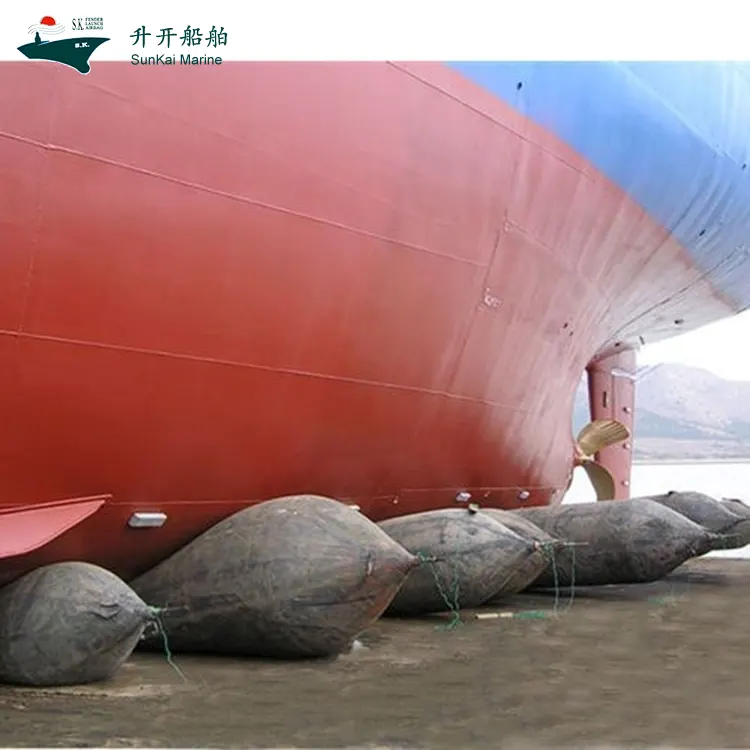
In ship launching operations, multiple airbags are placed beneath a vessel hull. Controlled inflation creates rolling motion, allowing ships to enter water safely without a dry dock.

The physics behind load distribution ensures that pressure is uniformly transferred across the contact surface, minimizing stress concentration and structural damage.


3. Core Technical Specifications and Load Capacities

Specification Typical Range Application Scenario
Diameter 0.5m – 2.5m Ship launching & heavy transport
Length 5m – 30m Marine engineering
Working Pressure 0.05 – 0.25 MPa Controlled heavy lifting
Load Capacity 10 tons – 1000+ tons Industrial & offshore lifting
Material Layers 3 – 12 cord layers High-load environments

Manufacturers like SunKai offer customized airbag systems based on vessel weight, project environment, and safety margins.


4. Key Applications in Marine and Industrial Fields

4.1 Ship Launching

Airbag launching technology reduces infrastructure investment and accelerates shipbuilding timelines.

4.2 Marine Salvage

Underwater lifting airbags recover sunken ships and heavy marine structures with precision buoyancy control.

4.3 Bridge and Infrastructure Construction

Engineers use pneumatic lifting systems to raise bridge beams and precast structures.

4.4 Pipeline and Tank Installation

Load-bearing airbags facilitate horizontal movement and precise positioning of large cylindrical structures.


5. Advantages Over Traditional Lifting Methods

  • Lower Investment Cost – No permanent lifting infrastructure required.
  • High Flexibility – Easily transportable and reusable.
  • Enhanced Safety – Even load distribution reduces collapse risk.
  • Environmental Adaptability – Suitable for soft soil, sand, and coastal areas.
  • Time Efficiency – Rapid deployment and setup.

Compared to cranes, hydraulic jacks, and slipways, airbag systems offer scalable and modular solutions.


6. Material Composition and Structural Design

High-quality lifting airbags are manufactured using:

  • Outer wear-resistant rubber layer
  • High-tensile synthetic tire cord reinforcement
  • Inner airtight rubber lining
  • Anti-explosion structural design

Advanced vulcanization processes ensure durability and pressure resistance. Reinforcement layers are arranged diagonally to maximize tensile strength.


7. Safety Standards and Operational Guidelines

Safety considerations include:

  • Load calculation with 1.2–1.5 safety factor
  • Synchronized inflation systems
  • Pressure monitoring gauges
  • Ground surface preparation
  • Regular inspection for wear and punctures

Strict compliance with international marine engineering standards ensures operational safety.


8. How to Select the Right Load-Bearing Airbag System?

When selecting lifting airbags, consider:

  1. Total object weight
  2. Number of airbags required
  3. Ground friction coefficient
  4. Environmental conditions (water, sand, mud)
  5. Working pressure limits

Professional suppliers like SunKai provide engineering calculations and custom design services to ensure optimal performance.


9. Maintenance and Lifespan Optimization

  • Clean after each operation
  • Store in dry, ventilated areas
  • Avoid prolonged UV exposure
  • Inspect valves and seams regularly
  • Conduct pressure testing annually

Proper maintenance can extend service life to 8–10 years or more.


10. The Future of Heavy-Duty Inflatable Airbag Technology

Emerging innovations include:

  • Smart pressure sensors with IoT monitoring
  • Higher-strength composite reinforcement materials
  • Automation-integrated lifting control systems
  • Eco-friendly rubber compounds

As global infrastructure projects expand, lifting and load-bearing airbags will continue to play a vital role in sustainable heavy engineering solutions.


FAQ – Frequently Asked Questions

Q1: What is the maximum weight lifting airbags can handle?

Heavy-duty models can support over 1000 tons when properly configured in multi-unit systems.

Q2: Are lifting airbags reusable?

Yes. With proper maintenance, they can be reused for many years.

Q3: Are they suitable for underwater operations?

Yes. Marine-grade airbags are specifically designed for buoyancy and salvage tasks.

Q4: How many airbags are required for ship launching?

This depends on ship weight, hull structure, and safety factor calculations.

Q5: What industries benefit most from load-bearing airbags?

Shipbuilding, offshore engineering, construction, pipeline transport, and emergency rescue operations.


Conclusion

Lifting and Load-bearing Airbags represent a breakthrough in modern heavy lifting technology. Their flexibility, efficiency, safety, and cost-effectiveness make them indispensable across marine and industrial sectors. By choosing a trusted manufacturer like SunKai, businesses can ensure reliable performance, engineering support, and customized solutions for complex lifting challenges.

Looking for professional heavy-duty airbag lifting solutions tailored to your project requirements? Partner with SunKai today and contact us for expert consultation and customized engineering support.

Related News
Leave me a message
X
We use cookies to offer you a better browsing experience, analyze site traffic and personalize content. By using this site, you agree to our use of cookies. Privacy Policy
RejectAccept