Follow Us:

News

What Makes Small Marker Buoys Essential for Modern Marine Navigation

2026-02-27 0 Leave me a message

Article Summary: Small marker buoys are vital components of marine navigation systems that help define channels, warn of hazards, and improve safety for vessels and watercraft. In this comprehensive guide you'll learn what small marker buoys are, how they are used across industries, the design variations, installation best practices, and how manufacturers like SunKai provide durable customization options to fit almost any maritime requirement.


Small Marker Buoys

Introduction: What Are Small Marker Buoys?

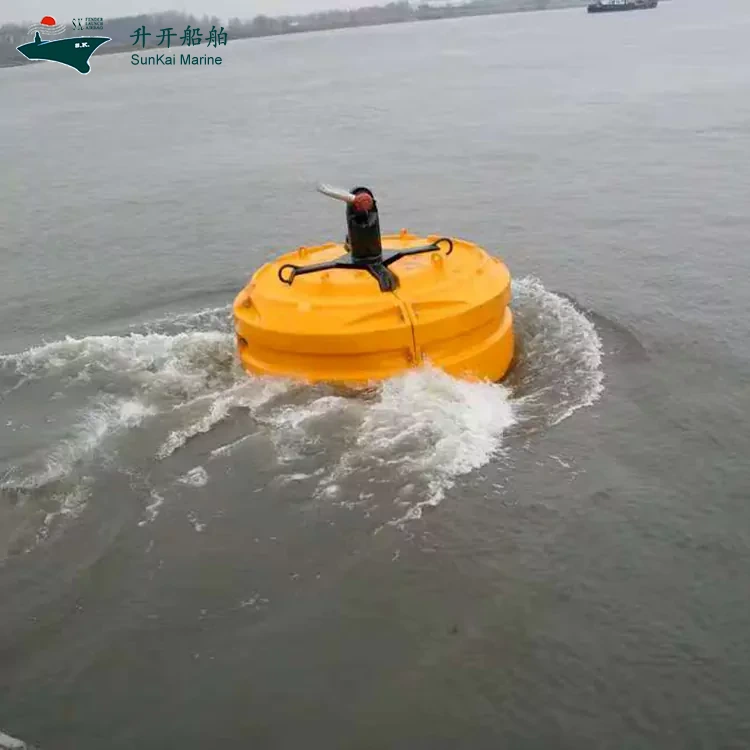
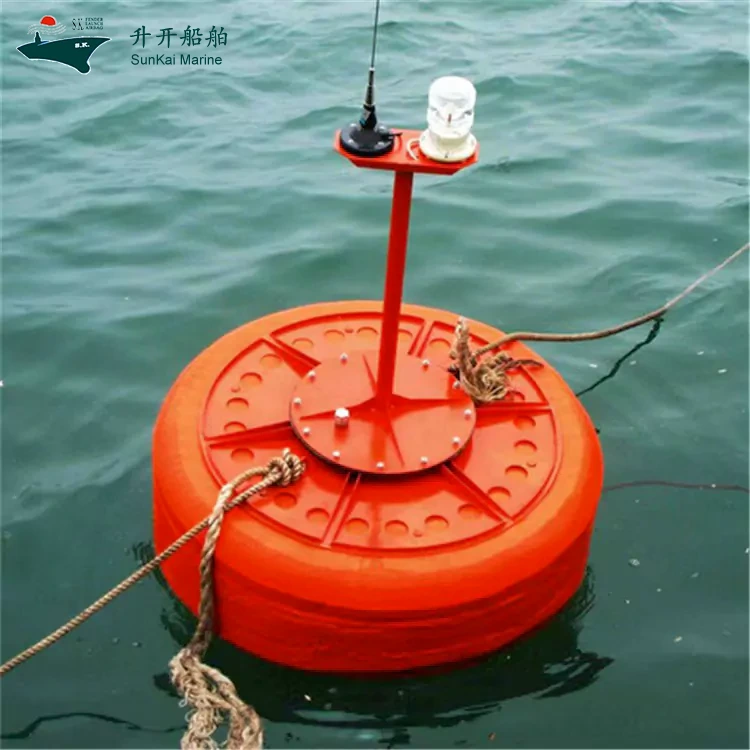
Small marker buoys are floating devices used to mark navigation channels, restricted zones, speed limits, hazards and other important marine boundaries. They are typically smaller than larger ocean buoys but include highly visible colors and simple shapes that can be identified from a distance to improve safety and communication on the water.

According to industry sources, small marker buoys are lightweight, robust, and suitable for day and night channel marking as well as speed zones or aquaculture areas.


Key Applications of Small Marker Buoys

  • Marine Navigation: marking safe passages to guide vessels through channels.
  • Hazard Warnings: signaling rocks, shallow water, submerged obstacles or restricted territories.
  • Regulatory Zones: indicating no-wake zones, fishing restricted zones, or areas under construction.
  • Aquaculture & Offshore Work: marking lines, nets, or facility boundaries.
  • Recreational Sports: setting swim perimeters and race courses.

Design Features & Specifications

Feature Description
Visibility Bright colors such as red, yellow, green or white improve visibility in daylight.
Construction Made from UV-stabilized polyethylene with reinforced mooring attachment points.
Applications Suitable for channels, restricted zones, speed markers, and more.
Optional Extras Lights, reflectors, radar reflectors or customized text.

Installation & Anchoring Guide

Proper installation of a marker buoy ensures it accurately remains in position, even in tides or currents. Key considerations include:

  • Anchoring: Use concrete ballast or a heavy anchor chain to keep the buoy stable on the water surface (heavier anchors are often used in tidal zones).
  • Mooring Lines: Connect a robust mooring line from the buoy to the anchor point — inspecting regularly for wear.
  • Placement: Place buoys according to navigational charts or local regulations.

At all times it’s critical that installation follows local maritime guidance and legal requirements, such as those defined under IALA standards.


Comparison Table: Small Marker Buoys vs Other Buoys

Buoy Type Primary Purpose Typical Size
Small Marker Buoy Channel indication, warnings, regulatory zones 20–80 cm diameter (varies)
Large Ocean Buoy Deep sea navigation, weather/gps signals 100+ cm diameter
Mooring Buoy Anchoring vessel positions Variable, often larger

Why Choose SunKai Small Marker Buoys?

As a trusted manufacturer and supplier, SunKai offers small marker buoys that are UV-resistant, easy to maintain and customizable to specific maritime requirements.

SunKai’s production capabilities emphasize advanced manufacturing technology and consistent quality, making their buoy products suitable for a wide range of marine settings including ports, inland waterways, recreational zones, and safety enforcement projects.


FAQ — Small Marker Buoys Explained

Q1: What are small marker buoys used for?

A: They are used to mark navigation channels, hazards, speed limits, swim zones and restricted areas in water.

Q2: Can small marker buoys be customized?

A: Yes, many manufacturers offer customizable colors, sizes, text and optional lights.

Q3: Are small marker buoys durable?

A: When built from high-quality materials such as UV-stabilized polyethylene, they are highly durable and weather-resistant for long-term marine use.

Q4: How do I choose the right size for my application?

A: Selection depends on water conditions, visibility needs, and regulatory requirements — longer or larger buoys may be needed in rougher waters.


Conclusion & Next Steps

Small marker buoys are indispensable tools in maritime navigation and marine safety. Whether in a busy harbor, inland waterway, or recreational lake, their role in marking channels, hazards and zones supports safer and more predictable use of waterways. By selecting quality products — such as those from SunKai — and ensuring proper installation, agencies, ship operators, and water sports organizers can significantly reduce risks on the water.

If you want expert guidance or tailored solutions for your marine marking projects, don’t hesitate to contact us for quotes, specifications, and professional support — ensuring your operation is safer and compliant.

Related News
Leave me a message
X
We use cookies to offer you a better browsing experience, analyze site traffic and personalize content. By using this site, you agree to our use of cookies. Privacy Policy
RejectAccept