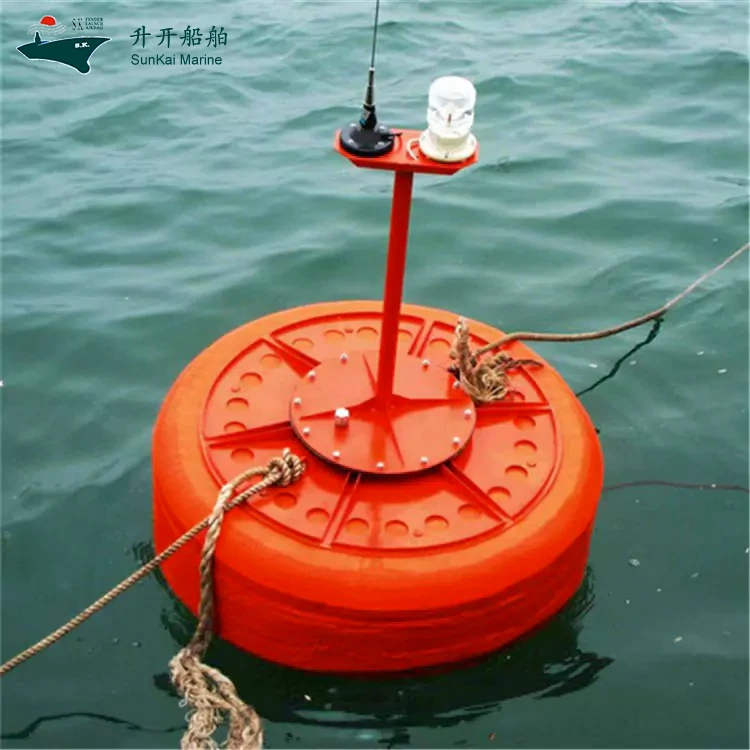
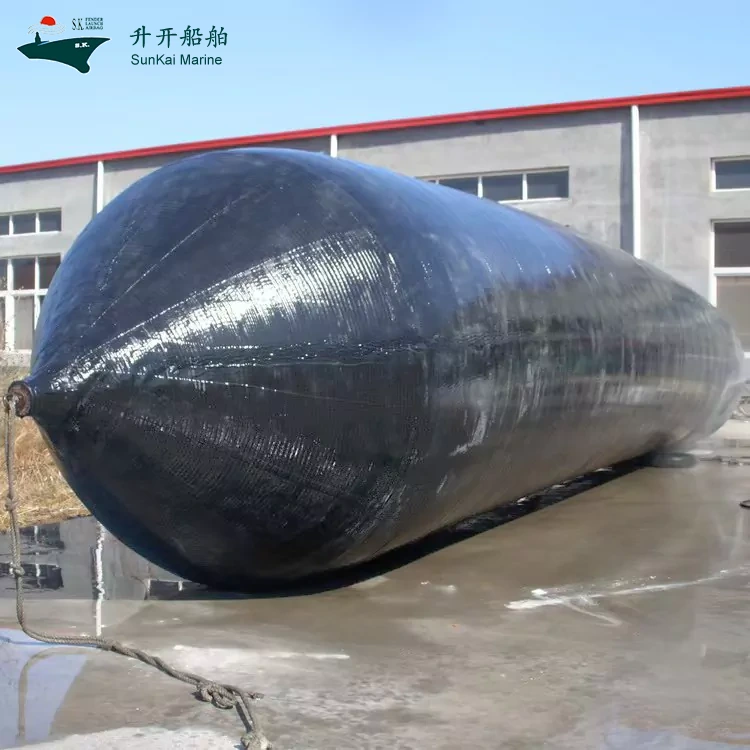
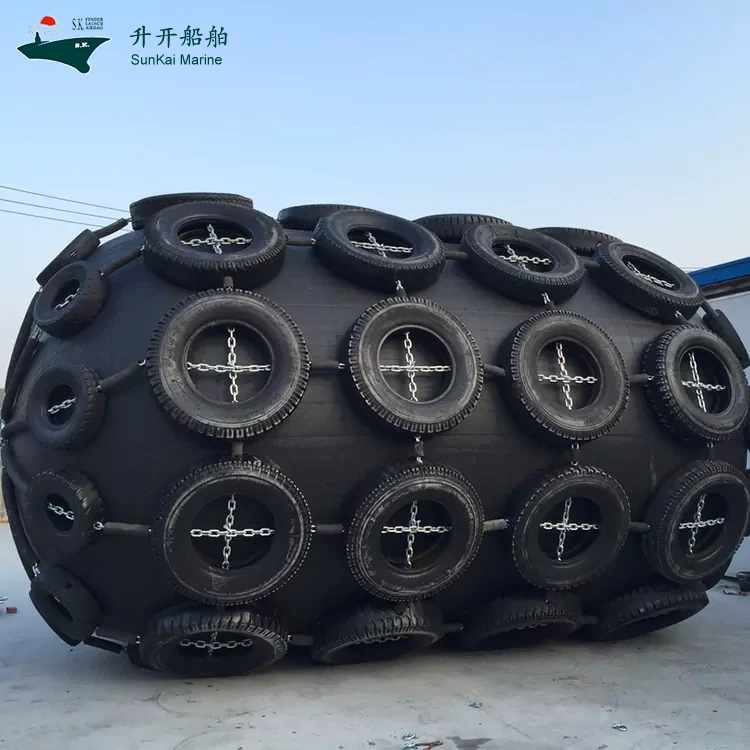
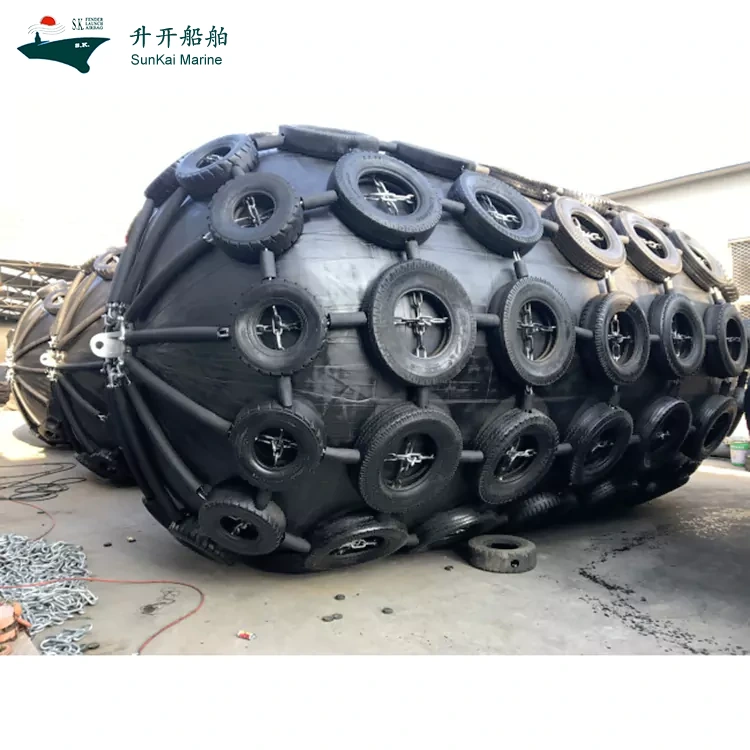
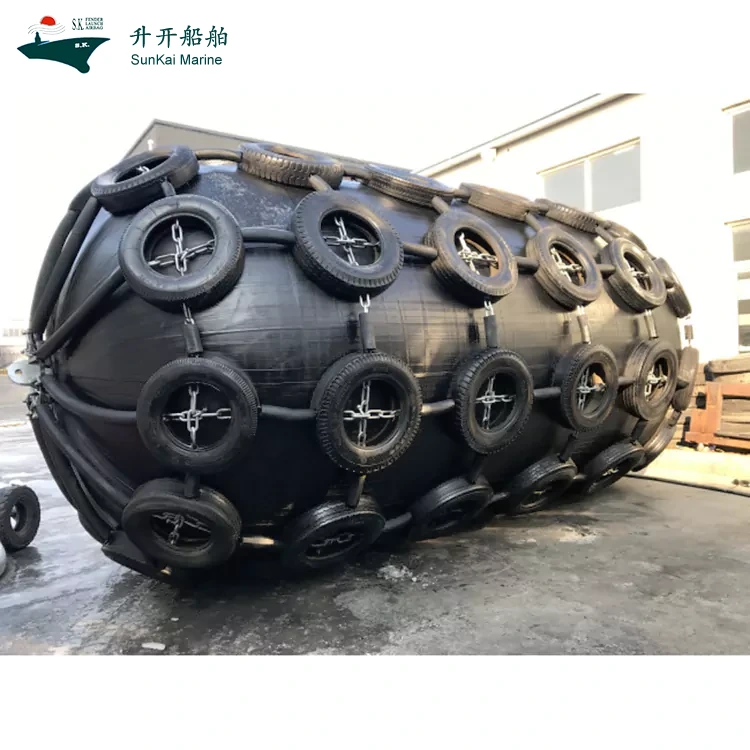
Selecting the right marine buoys is the first step toward ensuring effective maritime navigation and safety. Buoys vary in size, material, and load-bearing capacity depending on the application, whether marking shipping lanes, fishing areas, or offshore equipment. At our factory, we offer a range of marine buoys that meet international standards for durability, visibility, and buoyancy. Qingdao SunKai Marine Supplies Co., Ltd. specializes in high-visibility colors, corrosion-resistant coatings, and reinforced hull designs to withstand long-term exposure to saltwater and heavy weather conditions. Our team typically guides clients through choosing the correct size and shape based on sea conditions and operational requirements.
The performance of Marine Buoys depends on multiple technical parameters. These include buoyancy, stability, weight distribution, tethering points, and material strength. Our engineers measure these factors in the design phase to ensure the buoys maintain their position under varying currents and wave conditions. Water absorption, UV resistance, and anti-fouling coatings are also essential to prevent degradation over time.
Below is a reference table showing common specifications and their typical maritime applications.
| Buoy Diameter | Buoyancy Capacity | Material | Recommended Use |
| 500 mm | 150 kg | Polyethylene with UV stabilizer | Small navigational markers or fishing zones |
| 1000 mm | 500 kg | Reinforced polyethylene | Medium shipping lane markers |
| 1500 mm | 1200 kg | High-density polyethylene with anti-fouling coating | Offshore safety or mooring applications |
Proper installation is critical to ensure Marine Buoys remain effective and safe. Our factory emphasizes that anchors, chains, and mooring lines must be chosen according to water depth, tidal variations, and current strength. Qingdao SunKai Marine Supplies Co., Ltd. provides guidance on selecting anchor types such as mushroom, deadweight, or screw anchors depending on seabed conditions. The installation procedure should always account for weight distribution and chain elasticity to prevent drifting or tipping in heavy seas.
Our team recommends a step-by-step process: first, verify the location coordinates and seabed conditions. Next, assemble the buoy with mooring components in a controlled environment. Finally, deploy the system using a vessel equipped with proper lifting gear. Regular checks after initial deployment ensure the buoy is level and stable.
Maintenance is essential for sustaining the operational performance of Marine Buoys. Over time, exposure to sunlight, saltwater, and marine organisms can degrade buoy materials and attachments. Our engineers schedule routine inspections that include checking for hull cracks, corrosion, UV damage, and fouling. Cleaning procedures, repainting, and replacing worn components are part of regular upkeep. Our factory often provides kits for on-site maintenance to streamline this process.
For example, our reinforced Marine Buoys feature removable caps and inspection hatches, allowing technicians to examine internal components without dismantling the entire structure. Regular monitoring of tethering lines and chain tension ensures the buoys maintain their position and avoid hazards to nearby vessels.
Evaluating performance involves monitoring buoy stability, position retention, and material condition. Our engineers recommend using GPS trackers or AIS beacons for high-traffic areas, allowing real-time monitoring of drift and alignment. Our factory also suggests periodic measurements of vertical tilt and chain tension to prevent uneven wear. These assessments help in predicting maintenance cycles and identifying potential hazards before they compromise navigation safety.
The following table summarizes key performance indicators and recommended assessment methods for Marine Buoys.
| Parameter | Evaluation Method | Maintenance Action | Frequency |
| Position Stability | GPS/AIS monitoring | Adjust mooring chain or anchor | Monthly |
| Hull Integrity | Visual inspection, ultrasound test | Repair or replace damaged sections | Quarterly |
| Visibility | Visual check under low light conditions | Repaint or replace reflective tape | Every six months |
Q1: What factors determine the correct anchor type for a Marine Buoy?
The seabed composition, water depth, and current strength determine anchor selection. Mushroom anchors are suitable for soft mud, deadweight anchors for rocky bottoms, and screw anchors for sandy or cohesive sediments. Choosing the correct type prevents drifting and ensures buoy stability.
Q2: How often should Marine Buoys be inspected and maintained?
Inspections should occur at least quarterly, with visual checks, chain tension assessment, and hull integrity measurements. High-traffic or harsh-weather areas may require monthly monitoring. Regular maintenance extends service life and ensures compliance with safety standards.
Q3: What signs indicate that a Marine Buoy requires replacement?
Visible cracks, excessive hull wear, fading visibility coatings, and consistent drifting despite mooring adjustments are indicators. When these signs appear, our team advises prompt replacement to maintain navigation safety and system reliability.
Proper selection, installation, and maintenance of Marine Buoys are crucial for safe and efficient maritime operations. Factors such as material quality, buoyancy, mooring design, and environmental conditions all contribute to long-term performance. Our engineers at our factory work continuously to provide reliable solutions, ensuring that Marine Buoys deliver optimal stability and visibility under diverse conditions. Qingdao SunKai Marine Supplies Co., Ltd. offers professional guidance and tailored products for every application. If you are planning a deployment or need expert advice on buoy performance, contact our team today for personalized support and solutions.
Phone: +86-15853213129
Mobile: +86-15908962397
Address:No. 869, Yanqing Road, Tongji Street, Jimo District, Qingdao City, Shandong Province, China
Copyright © 2025 Qingdao SunKai Marine Supplies Co., Ltd. All Rights Reserved.